In Union County, South Carolina, the cotton mills that once supplied many jobs have vanished. Now, the county is labeled as a “food desert,” indicating residents are often distant from grocery stores. Acknowledging this challenge, local non-profit leader Elise Ashby initiated a project in 2016, working with farmers to deliver affordable boxes of fresh fruits and vegetables across the area, where around 30% of the population is Black, and about 25% face poverty.
At first, Ms. Ashby financed the project using her own savings and minor grants. But in 2023, her work gained substantial support as the Walmart Foundation—the charitable arm of one of the country’s largest companies—awarded her organization more than $100,000 (£80,000). This funding was included in a larger $1.5 million initiative designed to assist “community-based non-profits led by people of color.”
“It brought me to tears,” she confessed. “It was one of those instances when you understand that someone genuinely recognizes and appreciates your efforts.”
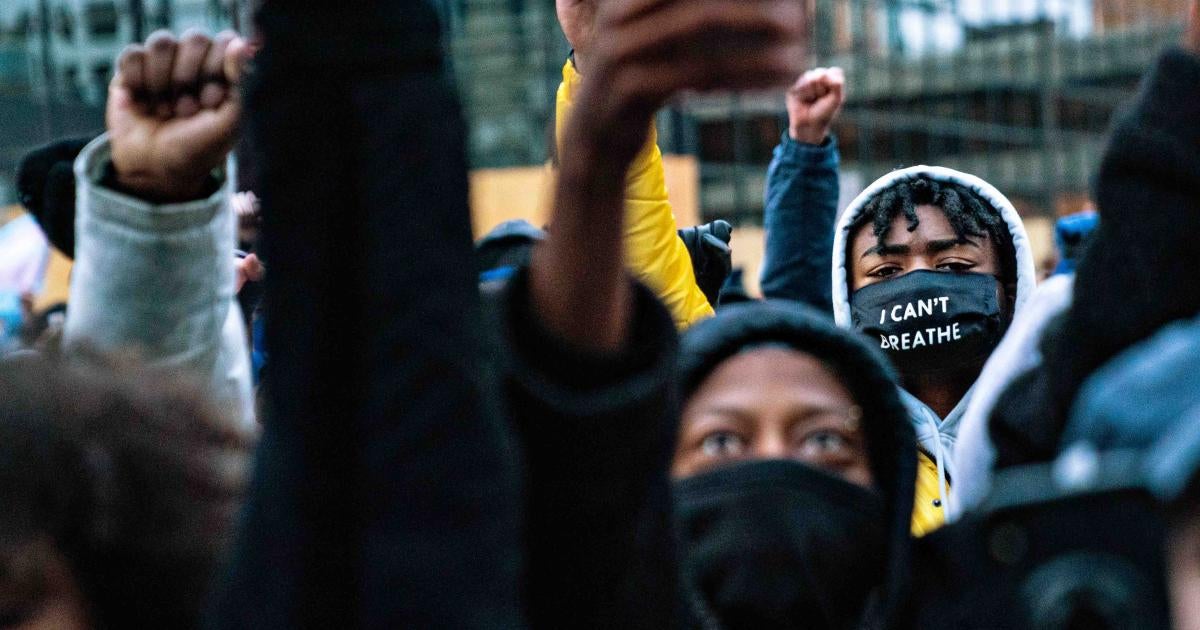
Just two years ago, programs like this were widely backed by major corporations across the U.S., as the country reckoned with systemic racism following the 2020 murder of George Floyd, a Black man who died under the knee of a Minneapolis police officer.
Nonetheless, numerous corporations are now withdrawing from these pledges. In November, Walmart revealed the cessation of certain diversity programs, which includes the closure of its Center for Racial Equity, a key player in funding the grant received by Ms. Ashby.
Businesses like Meta, Google, Goldman Sachs, and McDonald’s have taken comparable actions, indicating a wider corporate retreat from diversity, equity, and inclusion (DEI) efforts.
This transition signifies a significant cultural change, influenced partly by concerns about legal disputes, regulatory oversight, and backlash on social media—pressures intensified by the current U.S. president.
Since taking office in January, Donald Trump has actively sought to dismantle DEI programs, pushing for a shift back to “merit-based opportunity” in the U.S. He has directed the federal government to eliminate DEI initiatives and begin investigations into private companies and academic institutions suspected of “illegal DEI practices.”
During the initial months of his second term, the Department of Veterans Affairs shut down its DEI offices, the Environmental Protection Agency put almost 200 civil rights staff on paid leave, and Trump replaced the nation’s top military general—a Black man—after his defense secretary had previously implied he should be dismissed due to his ties with “woke” DEI policies.
At first glance, it may seem that the U.S. has abandoned efforts to improve outcomes for historically marginalized racial and identity groups. However, some experts suggest these initiatives may persist, albeit under different names that align more closely with the shifting political climate of a nation that has just elected a leader committed to combating “woke” policies.
The Roots of the Backlash
DEI-style programs first gained momentum in the U.S. during the 1960s in response to the civil rights movement, which sought to expand and protect the rights of Black Americans.
Originally described through terms like “affirmative action” and “equal opportunity,” these programs sought to address the enduring impacts of slavery and the institutional discrimination enforced under Jim Crow laws.
As social justice movements evolved to encompass women’s rights, LGBTQ+ advocacy, and racial and ethnic diversity, the terminology surrounding these efforts broadened to include “diversity,” “equity,” and “inclusion.”
In the realm of corporations and government bodies, DEI initiatives primarily concentrated on recruitment practices, portraying diversity as a financial benefit. Proponents claim that these programs tackle inequities across different communities, even though the focus has traditionally been on racial equity.
The push for DEI surged in 2020 amid the Black Lives Matter protests and increasing demands for social change. Walmart, for instance, pledged $100 million over five years to establish its Center for Racial Equity. Wells Fargo appointed its first chief diversity officer, while companies like Google and Nike already had similar leadership roles in place. Following these changes, S&P 100 companies created over 300,000 new jobs, with 94% of them going to people of color, according to Bloomberg.
Nonetheless, as rapidly as these initiatives grew, a conservative backlash arose.
Stefan Padfield, executive director of the conservative think tank National Center for Public Policy Research, contends that DEI programs inherently separate individuals based on racial and gender lines.
More recently, critics have amplified their claims that DEI initiatives—initially intended to fight discrimination—are in themselves discriminatory, especially against white Americans. Sessions focusing on “white privilege” and systemic racial bias have faced significant criticism.
The basis of this opposition originates from conservative pushback against critical race theory (CRT), an academic model proposing that racism is deeply ingrained in American society. Over time, campaigns against CRT in educational institutions evolved into wider attempts to target “woke corporations.”
Social media accounts like End Wokeness and conservative personalities like Robby Starbuck have leveraged this sentiment, focusing on corporations for their DEI efforts. Starbuck has asserted accountability for policy changes at firms like Ford, John Deere, and Harley-Davidson after highlighting their DEI programs to his digital audiences.
One of the most prominent triumphs for this movement took place in spring 2023, when Bud Light encountered significant backlash for collaborating with transgender influencer Dylan Mulvaney. Demands to boycott the brand and its parent company, Anheuser-Busch, led to a 28% drop in Bud Light sales, based on an analysis by Harvard Business Review.
Another major turning point arrived in June 2023, when the Supreme Court ruled that race could no longer be a factor in university admissions, effectively dismantling decades of affirmative action policies.
This verdict questioned the legality of corporate DEI policies. In the wake of the ruling, Meta notified its employees that “the legal and policy landscape surrounding DEI has shifted,” shortly before revealing the discontinuation of its own DEI programs.
Corporate Retreat: A Question of Authenticity
The swift reversal of DEI initiatives among large corporations prompts questions regarding the genuineness of their dedication to workforce diversity.
Martin Whittaker, CEO of JUST Capital—a non-profit that surveys Americans on workplace issues—believes that many firms initially adopted DEI efforts to “appear favorable” following the Black Lives Matter movement, rather than from a true dedication to change.
Nevertheless, not all businesses are succumbing to political and legal pressure. A report by the conservative think tank Heritage Foundation pointed out that although DEI programs seem to be decreasing, “nearly all” Fortune 500 companies continue to incorporate DEI commitments in their official statements. Moreover, Apple shareholders recently chose to uphold the company’s diversity efforts.
Public opinion on DEI remains divided. A survey by JUST Capital suggests that support for DEI has waned, but support for related issues—such as fair pay—remains strong. Similarly, a 2023 Pew Research Center survey found that a majority (56%) of employed adults still believe that workplace DEI efforts are beneficial.