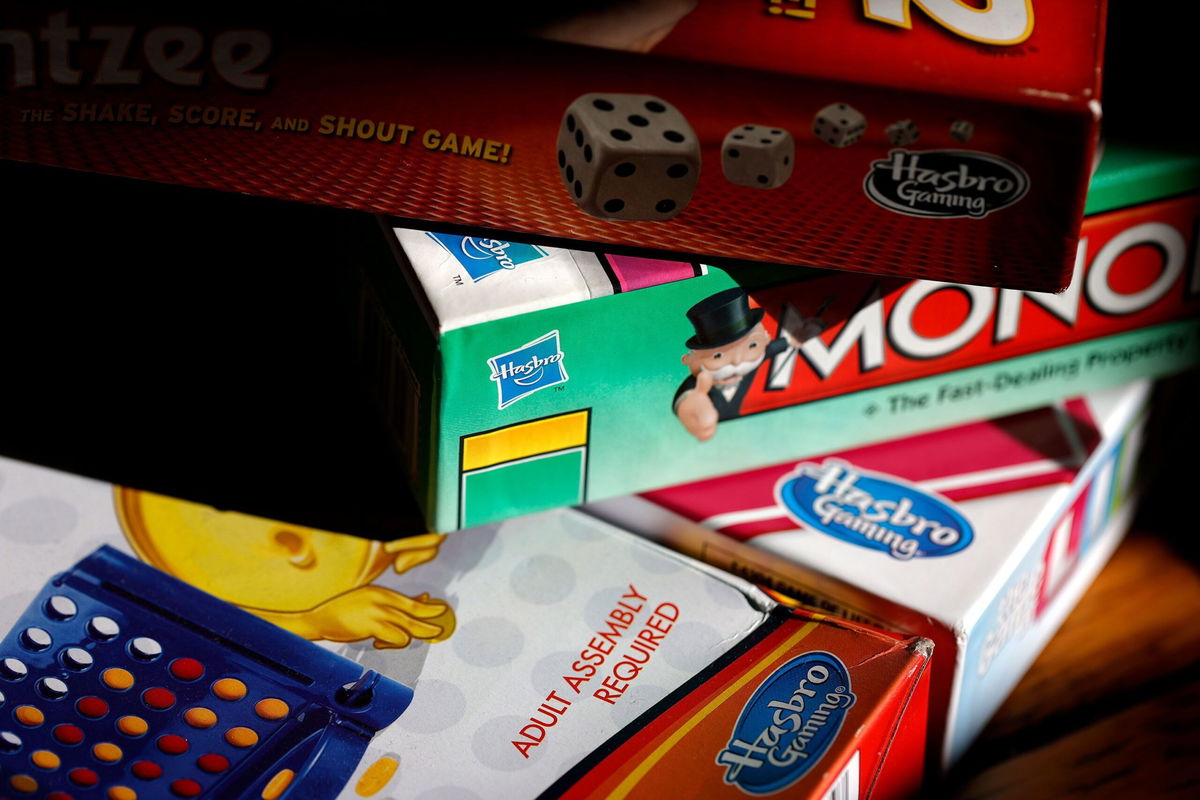
The international toy market might experience an increase in expenses shortly. Hasbro, among the largest toy producers worldwide, has indicated that buyers may experience rising toy prices later this year due to newly suggested tariffs. The CEO of the company recently expressed worries that intended adjustments to trade policies could directly affect production costs, which could eventually be transferred to consumers.
The potential for price increases arises at a moment when the toy industry, similar to other areas of consumer products, is still dealing with the intricate dynamics of a changing global market. Hasbro, recognized for creating some of the world’s most popular toys and games, such as brands like Monopoly, Nerf, Play-Doh, and My Little Pony, has faced both obstacles and achievements in recent years as consumer habits shift and financial challenges intensify.
The warning about potential price increases is tied to the ongoing discussions around tariffs on goods imported from China. The United States government has been reviewing tariff policies that could significantly affect the cost of a wide range of products, including toys, many of which are manufactured in China before being distributed across global markets. Hasbro’s leadership has acknowledged that if these tariffs come into effect, the financial strain on production could become too substantial for companies to absorb entirely, necessitating adjustments in retail pricing.
Although the suggested tariffs have not been finalized yet, they have already caused worry among toy producers, sellers, and industry experts. For Hasbro, which depends significantly on its manufacturing partners in Asia for its global supply chain, the implementation of extra tariffs is expected to raise production costs by a substantial amount. These cost hikes could affect not only the company’s profits but also consumer interest, especially in markets that are price-sensitive.
The timing of these possible price increases is also notable. As autumn usually signifies the start of the crucial holiday shopping season, any rise in toy prices could significantly impact purchasing behaviors. Families often boost their expenditures on toys and games to prepare for holidays like Christmas and Hanukkah, and elevated prices might compel consumers to rethink their spending or look for other, more affordable choices.
The toy sector has experienced the effects of tariffs and changes in trade policies before. Previous conflicts and the introduction of tariffs have occasionally led to short-term cost hikes or compelled businesses to find other manufacturing options. Nevertheless, the present economic situation introduces new challenges, such as persistent inflation, escalating labor expenses, and continuous supply chain interruptions that have not fully settled since the COVID-19 pandemic.
Hasbro’s executives have mentioned that the organization is looking into various methods to handle the possible financial effects of emerging tariffs. These strategies include broadening manufacturing sites, working out deals with suppliers, and evaluating supply chain productivity. However, in spite of these forward-thinking measures, the truth is that tariffs of this magnitude might lead to increased costs that would probably be passed, at least partially, to the final consumer.
In recent years, Hasbro has encountered financial strains related to the costs of raw materials, shipping hold-ups, and fluctuations in currency values. Introducing further trade restrictions might intensify these issues, complicating the company’s ability to sustain its existing price points without affecting its profit margins. This precarious juggling act is well-known among consumer goods firms, where they must carefully consider both shareholder demands and the sensitivity of consumers to prices.
The wider economic consequences of possible price hikes in toys reach beyond just Hasbro. Both physical retail stores and online platforms might experience the impact of these pricing adjustments. Should toy prices increase noticeably, consumer purchasing habits could change, leading buyers to potentially purchase fewer items or choose cheaper options. Smaller toy companies, which may not have the financial cushioning of large players such as Hasbro, might encounter even more significant difficulties in dealing with or counteracting the impact of tariffs.
Parents and guardians, who frequently depend on toys for both amusement and learning, might face tough choices due to rising costs. This situation may lead to a higher interest in second-hand toys, cost-effective options, or experiences as substitutes for physical presents. Economic research indicates that sensitivity to prices in the toy industry is especially significant, particularly for families with restricted disposable income.
Hasbro’s worries about tariffs highlight the growing interconnection of global trade and the susceptibility of specific sectors to geopolitical events. Although the toy industry appears straightforward in terms of final products, it heavily depends on intricate international supply chains that cover multiple continents. From acquiring materials to production and distribution, every stage in the process can be affected by regulations established far from their origin.
El posible aumento en los precios de los juguetes no es únicamente consecuencia de los aranceles gubernamentales. Las tendencias inflacionarias generales, el incremento en los costos energéticos y los ajustes en la cadena de suministro son factores que han estado afectando las estructuras de costos de las empresas de bienes de consumo en diferentes sectores. Sin embargo, la amenaza específica de aranceles dirigidos a los juguetes añade una capa adicional de complejidad que podría acelerar los cambios de precios en este sector en particular.
Hasbro, a long-standing leader in the worldwide toy industry, has previously adjusted to changes on numerous occasions. The firm has navigated fluctuations in consumer tastes, technological progress, and the emergence of digital entertainment, which have posed challenges to conventional toy sales. In the face of these dynamics, Hasbro has preserved its importance by committing to innovation, securing licenses for well-liked entertainment franchises, and entering the space of digital gaming and interactive experiences.
The company’s latest statements on tariffs express not only a prompt worry about rising costs but also a calculated attempt to openly discuss with consumers, investors, and partners the external difficulties it confronts. By indicating the likelihood of price hikes far ahead of time, Hasbro seems to be readying stakeholders for possible changes while gently nudging policymakers to think about the wider economic impacts of new trade restrictions.
The issue of tariffs on toys is part of a larger dialogue about the future of global trade relations, particularly between the United States and China. While tariffs are often positioned as tools to protect domestic industries, they can also have unintended consequences for companies that rely on global supply chains. For the toy industry, where cost efficiency and price accessibility are key drivers of success, tariffs introduce significant uncertainty.
Industry watchers have noted that while some companies have sought to relocate manufacturing to other countries in response to previous trade tensions, such transitions take time, resources, and careful planning. Moving production from China to other markets such as Vietnam, India, or Mexico may offer long-term solutions, but these shifts cannot be executed overnight without risking disruptions to product availability or quality.
The possibility of additional tariffs poses significant challenges for the toy sector, testing its ability to withstand continuous global economic fluctuations. Corporations such as Hasbro need to handle short-term financial strains while preparing for enduring success in an ever-evolving market. This preparation involves adopting sustainable practices, integrating digital advancements, and addressing evolving consumer demands, all while dealing with the external complexities of trade and regulation.
For consumers, the coming months may bring subtle but noticeable changes at the checkout line. If Hasbro and other toy manufacturers move forward with price adjustments in response to tariffs, shoppers may find that the cost of familiar brands has increased by the time the holiday shopping season arrives. How consumers respond to these changes—whether through reduced spending, shifts to private-label alternatives, or changes in gift-giving traditions—remains to be seen.
From an economic viewpoint, the potential rise in toy prices also signifies wider trends of inflation and supply chain adjustments impacting numerous industries at the same time. Developments in the toy section might indeed reflect patterns in other consumer areas, as businesses contend with the combined impact of geopolitical instability, increasing expenses, and evolving market needs.
Hasbro’s careful statement regarding potential price hikes provides insight into the intricate choices facing international businesses in the current climate. Although the company continues to focus on providing high-quality products to kids and families across the globe, the future might require challenging compromises influenced by external factors.
As discussions around tariffs continue to evolve, and as policymakers weigh the benefits and drawbacks of new trade measures, the toy industry will be watching closely. For now, Hasbro’s warning serves as an early indicator of the potential challenges ahead, reminding both consumers and businesses that in a global economy, even seemingly distant policy decisions can have direct and tangible effects on everyday products.