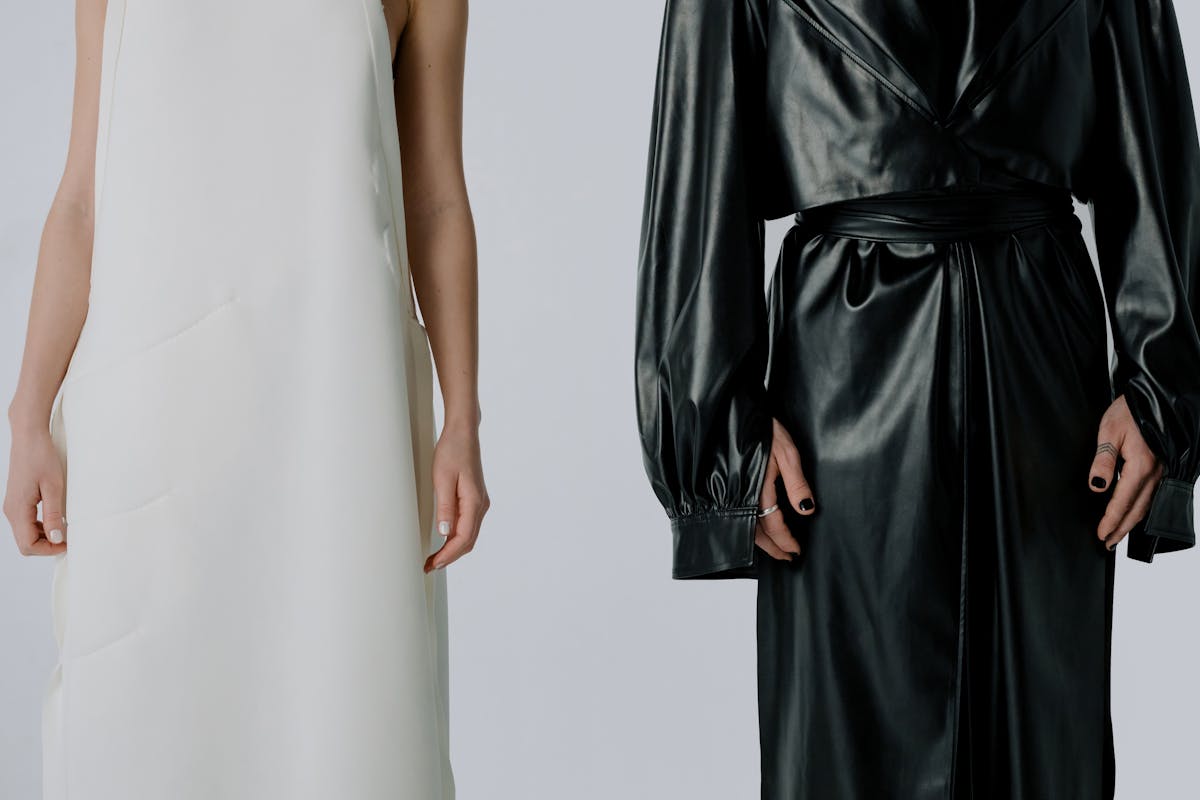
The monochrome look has taken the fashion world by storm, offering simplicity and sophistication through the art of wearing a single color. This style trend revolves around dressing in varying shades, tones, or tints of one color to create a visually harmonious and cohesive outfit. From runway shows to street style, the monochrome aesthetic has proven to be a versatile and timeless choice. But what exactly defines a monochrome look, and why has it become a staple in modern fashion?
The Concept of Monochrome Fashion
At its core, the monochrome aesthetic centers on choosing a single base hue and working through its full tonal range. Monochrome comes from the Greek terms ‘mono’, or ‘one’, and ‘chroma’, meaning ‘color’. This styling method can shift from an intense commitment to one precise tint across an entire outfit to a gentle progression through lighter and deeper versions of the same shade. The effect delivers a refined yet memorable visual presence that highlights poise and sophistication.
Why Monochrome Works
There are several reasons why monochrome dressing is so effective. Firstly, it simplifies the process of styling an outfit, eliminating the need for mixing and matching different colors, which can be daunting. A monochrome outfit often appears more polished and put-together with minimal effort.
Additionally, the uniformity of color can elongate the silhouette, making it a favorite style hack among fashion enthusiasts. By avoiding the visual breaks that contrasting colors often create, a monochrome look can give the illusion of increased height and a streamlined silhouette.
Monochrome at Work: Real-World Case Studies
When examining the presence of monochrome looks in various arenas, it’s clear this trend has broad appeal:
1. Celebrity Influence: Numerous celebrities, including style icons like Victoria Beckham and Kanye West, are often seen adopting monochrome ensembles, and their consistent ability to carry this trend with effortless sophistication motivates fashion enthusiasts around the world to mirror their style.
2. Runway to Reality: Many designers have showcased monochrome collections during fashion weeks, illustrating its versatility. Chanel’s classic black and white ensembles, for example, embody the timeless essence of the monochrome aesthetic.
3. Street Style: Bloggers and influencers often adopt monochrome styling for its ease and impact, offering inspiration through platforms like Instagram and Pinterest. These influencers demonstrate how to effectively layer textures and fabrics, maintaining interest without relying on color contrast.
Guidelines for Perfecting a Monochromatic Style
To successfully adopt the monochrome style, consider the following guidelines:
1. Play with Textures: Incorporate different materials to add depth and interest. Silk, wool, leather, and denim can introduce subtle variations without breaking the color uniformity.
2. Accessorize Wisely: Accessories can play a crucial role. Jewelry, hats, and bags in complementary tones can enhance the outfit without overpowering it.
3. Mind the Tones: Combining various tones of the same color adds dimension to your outfit. Aim for a complementary palette that spans several shades, creating a layered look.
Understanding the Psychological Appeal of Monochrome Selections
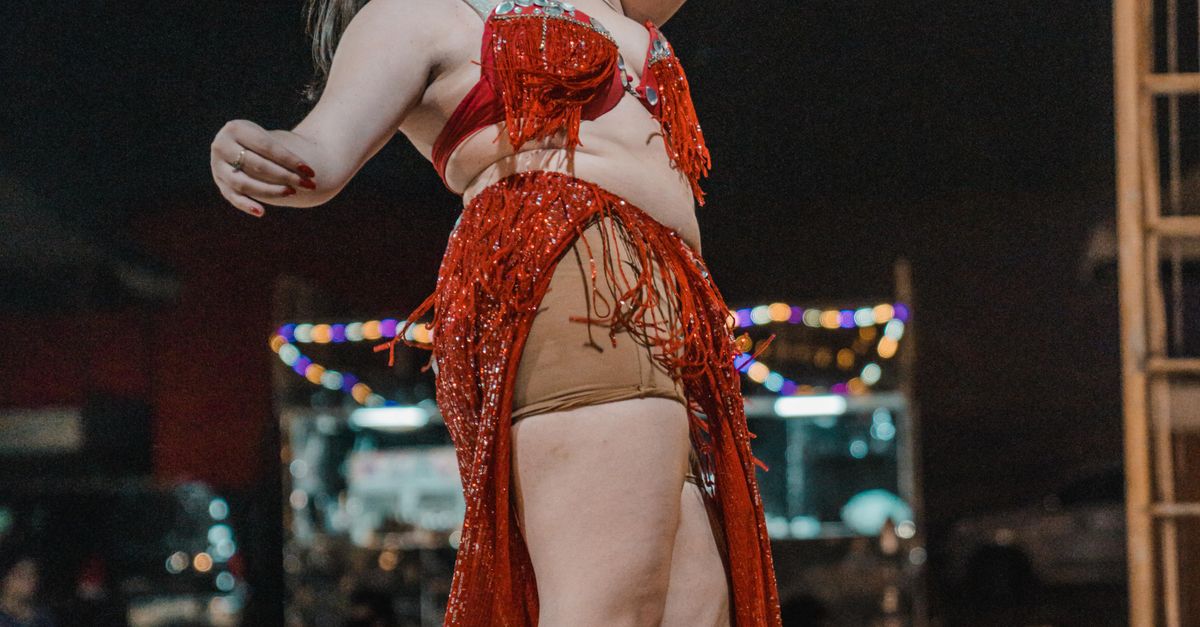
Different colors evoke particular psychological effects. By choosing a single color, one can intentionally convey certain messages or emotions. For instance, an all-blue outfit might project calmness and trust, while a head-to-toe red look could communicate passion and energy.
As the monochrome look continues to evolve, its adaptability endures. It aligns effortlessly with minimalist trends, yet has the flexibility to integrate into more eclectic styles. The monochrome look transcends time and place, embodying a unique fusion of simplicity and sophistication that continues to resonate across cultures and generations.