Mexico’s government has publicly stated there is no new agreement for border enforcement collaboration with the U.S. Drug Enforcement Administration (DEA), directly contradicting an announcement by the U.S. agency. The disagreement highlights a sensitive and often strained relationship between the two nations regarding security cooperation, particularly concerning drug trafficking and border control. This public rift comes after a period of seemingly improving relations, marked by recent extraditions of high-profile cartel figures from Mexico to the U.S. and a broader push for collaboration on security issues. The Mexican administration’s firm denial underscores its emphasis on national sovereignty and a desire for more balanced and respectful coordination with U.S. counterparts.
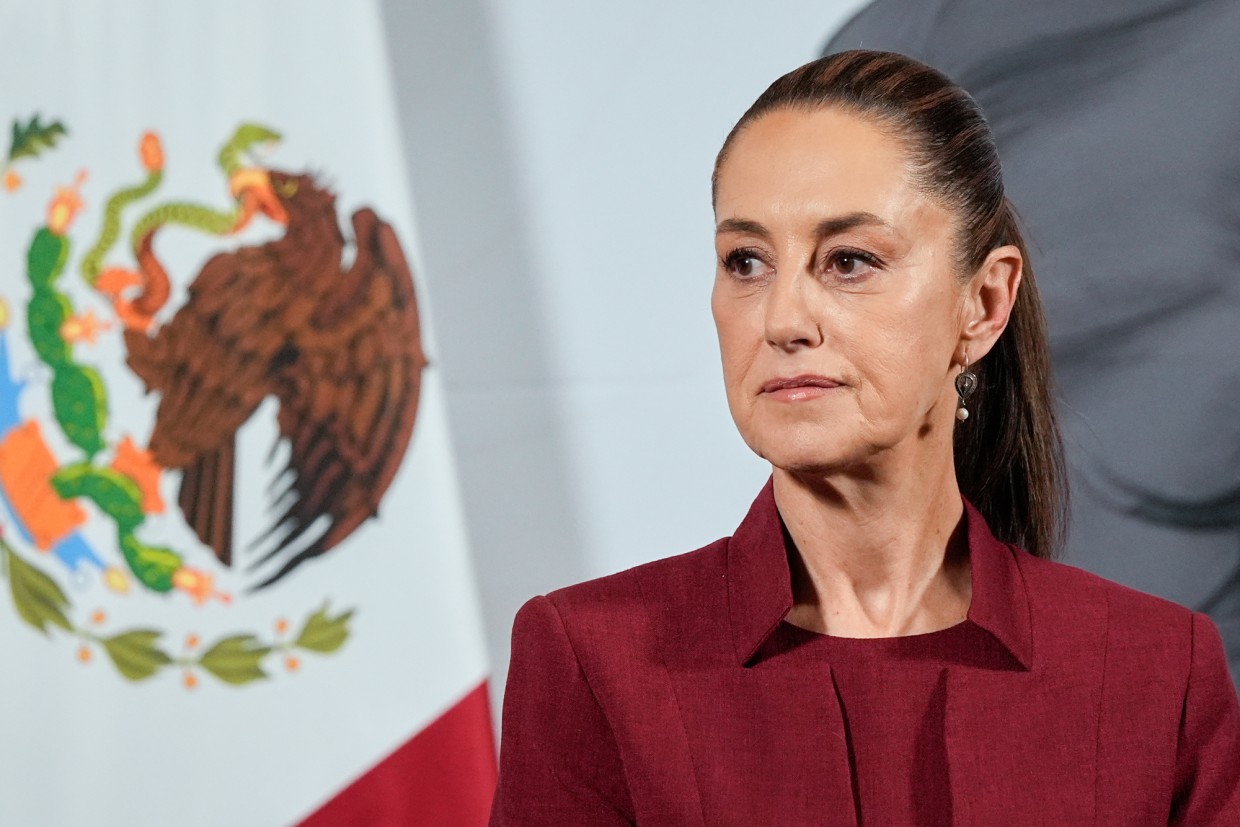
The point of contention centers on a DEA initiative, reportedly named “Project Portero,” which the agency described as a significant step forward in bilateral efforts to combat cartel smuggling networks. This project, according to the DEA, would involve a multi-week training program in Texas where Mexican and U.S. law enforcement, intelligence, and prosecutorial officials would collaborate to identify targets and develop joint enforcement strategies. However, Mexico’s President was quick to clarify that while some Mexican police personnel attended a workshop, this did not constitute an official bilateral agreement between the two governments for a new operation. The president expressed frustration that the DEA had announced the initiative without proper consultation or a formal pact, viewing it as a breach of protocol and a sign of disrespect for Mexico’s sovereignty.
This episode reveals the complex dynamics at play in the U.S.-Mexico security relationship. For years, the two countries have navigated a delicate balance between cooperation and mutual distrust. While the DEA has a long history of operating in Mexico, its presence and operations have often been a source of diplomatic friction. Mexico has increasingly sought to assert greater control over its own security and law enforcement initiatives, pushing back against what it sees as U.S. overreach. The current administration has prioritized a new security framework based on principles of sovereignty, mutual trust, and territorial respect, aiming for coordination without subordination. The public disavowal of the DEA agreement is a powerful reaffirmation of these principles, signaling that Mexico expects to be a full and equal partner in any joint security efforts.
El trasfondo de este conflicto se basa en una historia de tensiones, especialmente durante el gobierno anterior de México, que había limitado en gran medida las actividades de los agentes de la DEA en el país. La administración actual había mostrado indicios de avanzar hacia una postura más colaborativa, como lo demuestran las extradiciones recientes y las conversaciones en curso sobre un pacto de seguridad más amplio. No obstante, este incidente pone de manifiesto que el progreso es frágil y depende de una estricta adherencia a las normas diplomáticas y el respeto a la independencia de cada nación. La esencia del asunto parece estar menos relacionada con el contenido del taller de capacitación en sí mismo y más con la comunicación y los protocolos que lo rodean. La falta de un mensaje público coordinado y el anuncio unilateral de la DEA parecen haber sido los principales detonantes de la respuesta contundente del gobierno mexicano.
The implications of this diplomatic spat are far-reaching. It could potentially hinder future efforts to forge a more comprehensive and stable security agreement between the two nations. The fight against powerful drug cartels requires a high degree of trust and seamless coordination, and public disagreements like this can erode that foundation. While both countries have a shared interest in combating organized crime, the path forward will require greater sensitivity and a more formalized approach to collaboration.
The event is a vital reminder that even small errors in communication can lead to major repercussions for global relations. It highlights the importance of presenting a united front and having a clear grasp of roles and commitments to successfully address the intricate challenges of international crime. The future of security collaboration between the U.S. and Mexico will likely hinge on whether both parties can gain insights from this event and develop a stronger and more respectful basis for their cooperation.