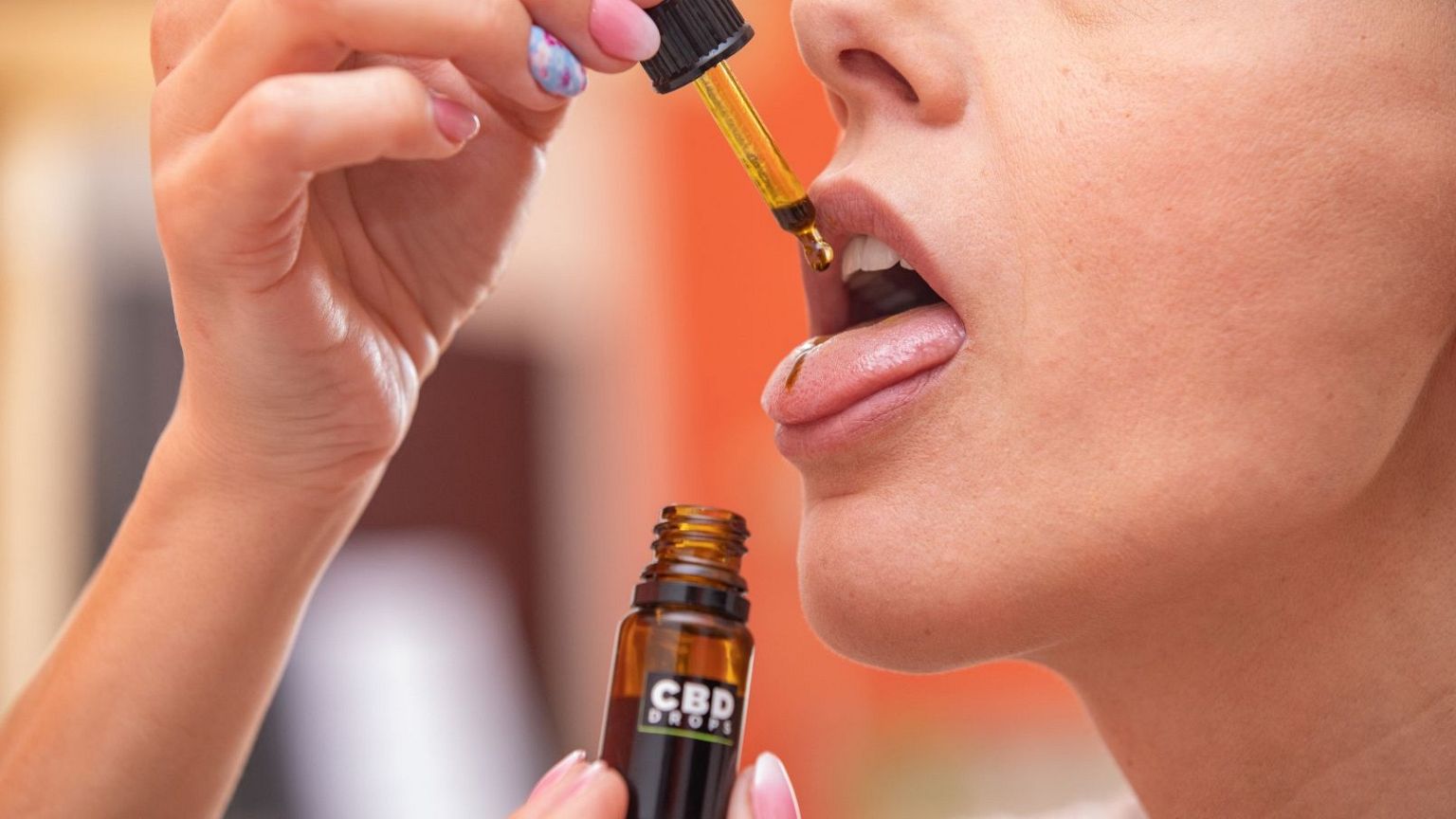
Cannabidiol, commonly known as CBD, has seen an extraordinary surge in popularity over the past decade, with millions of people turning to this non-psychoactive compound derived from cannabis for relief from anxiety, pain, insomnia, and a wide range of other conditions. However, new findings from a recent study conducted by the U.S. Food and Drug Administration (FDA) are raising fresh concerns about the potential health risks associated with CBD use—specifically its impact on liver function, even at low doses.
The study, which forms part of the FDA’s ongoing evaluation of cannabidiol’s safety profile, suggests that some individuals may experience liver damage or other adverse effects from CBD consumption, even when taken in amounts lower than those typically recommended for therapeutic use. This revelation adds to a growing body of research calling for more cautious and informed use of CBD products, particularly given the substance’s widespread availability in everything from oils and edibles to skincare and wellness products.
The widespread presence of CBD in conventional markets has surpassed scientific study and regulatory supervision. Although the 2018 Farm Bill legalized hemp-derived CBD nationwide, the FDA has persistently argued that additional thorough research is needed to comprehensively assess its safety, effectiveness, and suitable dosage standards. Up until this point, most worries regarding CBD’s possible adverse effects have focused on large dosages applied in medical environments, especially for treating disorders like epilepsy. Nonetheless, recent information from the FDA indicates that even those using CBD for overall well-being or sporadic comfort might accidentally be risking their liver health.
The liver plays a critical role in metabolizing substances that enter the body, including medications and supplements. Damage to this vital organ can be gradual and often goes unnoticed until it reaches more severe stages. The FDA’s research highlights that some individuals may develop elevated liver enzymes—a marker of liver stress or injury—even at lower CBD doses. While not everyone appears to be equally susceptible, this variability underscores the importance of understanding personal risk factors before using CBD regularly.
El estudio incluyó pruebas clínicas controladas y el análisis de los niveles de enzimas hepáticas en participantes que consumieron diferentes dosis de CBD durante un período prolongado. Los resultados mostraron que incluso niveles moderados de consumo podrían causar cambios bioquímicos indicativos de estrés hepático en algunas personas. Estos resultados plantean la cuestión de si la percepción común de que el CBD es un remedio natural y seguro para todos podría ser una simplificación excesiva.
In addition to the potential liver risks, the FDA also continues to warn about other possible side effects of CBD, including interactions with other medications. CBD is known to affect the way the body processes certain prescription drugs, including blood thinners and seizure medications, which could lead to unintended and sometimes dangerous consequences. The cumulative effect of multiple substances metabolized through the liver can heighten the risk of toxicity or adverse reactions.
The results from the FDA investigation highlight the urgent necessity for complete regulatory structures around CBD products. At present, the United States market for CBD is mostly unregulated, resulting in diverse quality benchmarks, uneven labeling, and minimal consumer safeguards. Numerous items available online or at retail locations lack thorough testing for purity, strength, or pollutants, exposing consumers to the risk of incorrect dosages or contact with dangerous substances such as heavy metals, pesticides, or leftover solvents.
Customer interest in CBD is on the rise, fueled partly by personal accounts and promotional statements highlighting its advantages for easing stress, reducing inflammation, improving sleep, and addressing persistent health conditions. Nonetheless, the scientific community advises consumers to be cautious when using CBD until more conclusive studies are conducted. In the absence of unified dosage recommendations or established safety limits, people might unknowingly misuse these products or face health dangers that surpass the possible positive effects.
The Food and Drug Administration (FDA) has emphasized that although some pharmaceuticals containing CBD—like Epidiolex, which is approved for uncommon types of epilepsy—are supported by extensive clinical trials and safety information, most CBD products available without a prescription have not been subject to the same level of examination. Consequently, these products are not currently endorsed by the agency for use as dietary supplements or additives in food.
Experts in public health recommend that people thinking about using CBD—especially those with existing liver issues or those on other medications—should seek advice from healthcare experts prior to beginning any regimen. For those using CBD over an extended period, ongoing monitoring of liver health might also be wise, particularly as more information becomes available on the differences in individual reactions to the compound.
This information is particularly important considering the varied demographics of CBD consumers, which consist of not only adults looking for stress reduction or pain alleviation but also seniors, people with long-term health issues, and even pet owners administering CBD items for their animals. The possibility of liver-related adverse effects in these groups calls for increased caution.
Emerging worries regarding the safety of CBD underscore the necessity for clearer public communication about the distinction between cannabis-based products with verified medical applications and commercially promoted wellness items, whose claims frequently lack scientific validation. False information and overstated marketing can lead to unrealistic expectations and possibly dangerous usage habits.
The FDA has indicated that it will continue to research the effects of CBD while working to develop more robust guidelines for product labeling, dosage recommendations, and safety monitoring. Meanwhile, states and local governments are also exploring regulatory measures to close existing gaps and ensure that consumers have access to accurate information and safe products.
In the absence of comprehensive federal regulations, some private-sector initiatives have emerged to address safety concerns in the CBD market. Independent certification programs and third-party laboratory testing are becoming more common among reputable CBD manufacturers, providing consumers with greater transparency about product quality and composition. These measures, while helpful, are voluntary and do not replace the need for enforceable national standards.
For those who currently use CBD or are thinking about adding it to their health practices, the essential message from the FDA’s conclusions is to proceed with care, consult professionals, and stay updated on the newest studies. The fact that a substance is plant-based or commonly promoted as “natural” doesn’t necessarily ensure its safety for everyone.
While the demand for CBD keeps growing, it is equally important for health authorities, producers, and users to base its usage on solid scientific evidence, not just market hype or personal stories. The development of a secure and trustworthy CBD market depends on ongoing studies, sensible regulations, and awareness for the public.
In the upcoming months, as additional information emerges and regulatory authorities update their stances, people can anticipate more transparency concerning the advantages and dangers of CBD. Meanwhile, using it with caution, mindfulness, and thoughtful evaluation will continue to be the wisest strategy.