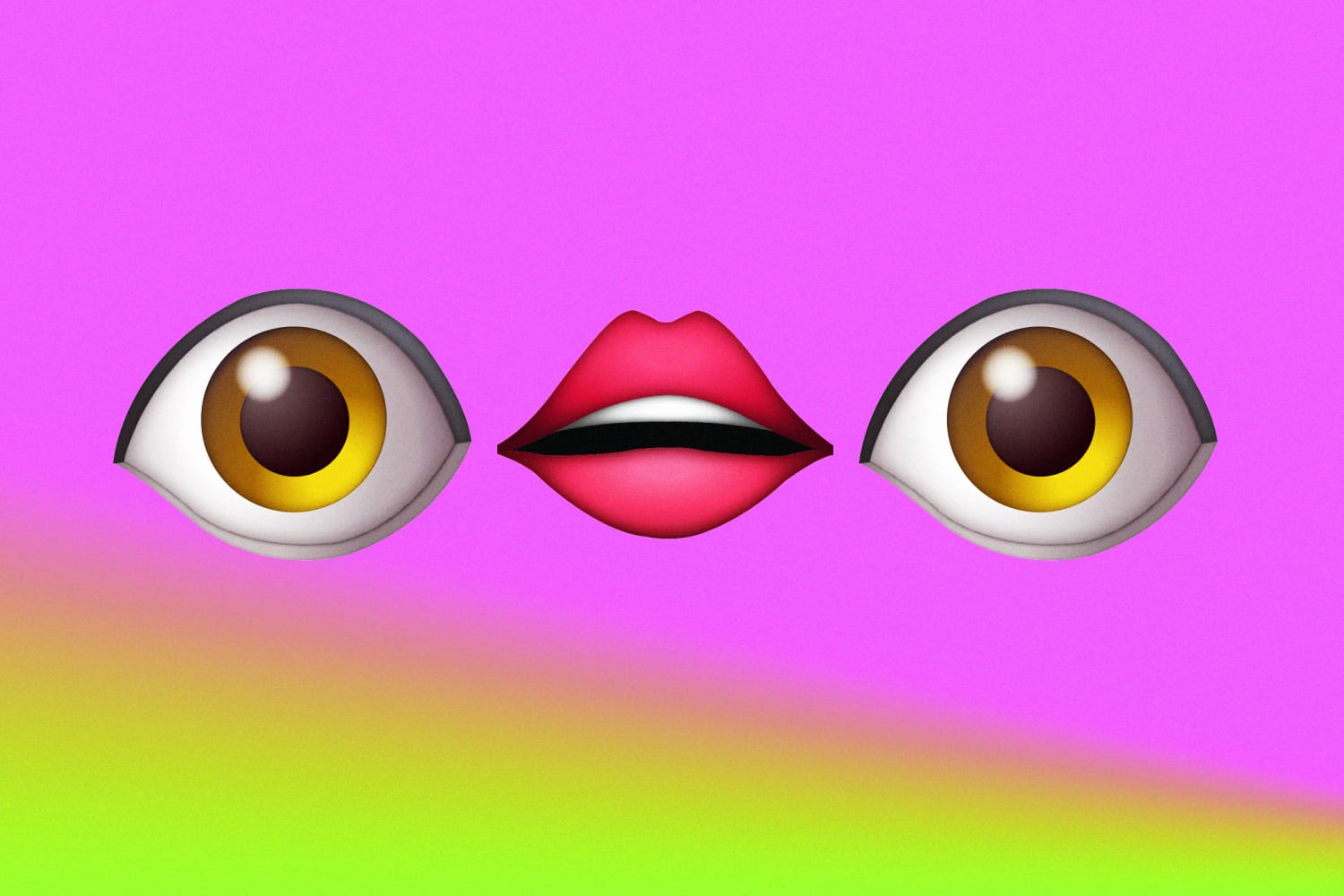
In an age where constant scrolling and fleeting attention spans are the norm, one surprising behavior stands out among Generation Z: their unwavering, direct eye contact. Whether on social media or in real life, many have noticed that Gen Z doesn’t shy away from holding a stare. While to some it may seem intense or even unsettling, this generational trait reflects deeper changes in cultural values, communication norms, and the digital landscape that shaped their upbringing.
Este cambio generacional trasciende la simple torpeza social o la autoconciencia. Refleja cómo la Generación Z está redefiniendo las normas de interacción de manera visual, emocional y social en un mundo sumamente interconectado.
Raised with smartphones in hand and cameras pointed at them from an early age, Gen Z (typically defined as those born between 1997 and 2012) grew up in a world where being looked at is a constant. Unlike previous generations who eased into digital self-presentation, Gen Z has been navigating curated personas since childhood. This has likely contributed to their comfort—or at least their practiced ease—with eye contact, especially when filtered through a screen.
On platforms like TikTok, long stares into the camera lens have become almost performative, signaling vulnerability, authenticity, or comedic timing. It’s not just about being seen; it’s about controlling how one is seen. Gen Z’s gaze becomes a tool, a statement of presence, and often, an artistic choice.
In contrast to millennials, who perhaps mastered the art of the “candid” gaze away from the camera in selfies or embraced irony, Gen Z tends to prefer a more straightforward approach. Whether through memes, brief video clips, or real-time reaction content, their communication style emphasizes openness. When they maintain eye contact, especially in videos using the front-facing camera, it is intentional. This forms part of a broader aesthetic where silence, awkward moments, or even unease are reinterpreted as genuine authenticity.
This visual directness also dovetails with broader generational traits. Gen Z tends to value honesty, mental health advocacy, and challenging social norms. In that context, the fixed gaze isn’t just a look—it’s a confrontation with the viewer, asking them to sit with something uncomfortable or real, even in a 15-second clip.
Although the gaze might seem self-assured or even aggressive, certain psychologists propose it may also function as a strategy for managing stress. Numerous individuals from Gen Z reveal experiencing significant anxiety, and their ease with maintaining eye contact through a camera could be an ironic consequence of digital disconnection. Addressing a camera lens is different from engaging in direct conversation. This digital screen may facilitate sustaining eye contact that would be difficult in a real-life setting.
Some propose that this conduct is influenced by being raised during a time of constant monitoring—by friends, organizations, and unknown people on the internet. The reaction? Confront the scrutiny directly. In this context, Gen Z’s tendency to stare might be interpreted as a way to regain control. Instead of evading others’ glances, they manage it.
Beauty decisions and cultural impact
Gen Z’s conduct does not occur in isolation. Well-known creators, influential figures, and even fashion photographers have supported the trend of maintaining prolonged, uninterrupted eye contact. Gradual zoom-ins on faces that lack expression, close lighting, and honest angles—all enhance the emotional effect of a straightforward gaze. Essentially, it has turned into a visual symbol for openness or sarcasm.
These cultural aesthetics also challenge what previous generations considered photogenic or polite. While Baby Boomers and Gen X valued presentation and decorum, Gen Z favors rawness and breaking the fourth wall. Their communication is less about perfection and more about presence—whether that presence is awkward, emotional, or deadpan.
The effect on personal interactions
Offline, this habit is reshaping how social interaction is perceived. Some educators, employers, and older adults find it jarring when a Gen Z individual maintains intense eye contact in conversation—or alternately, when they’re completely disengaged in person but highly expressive online. This split dynamic between online and offline personas often blurs the line between authentic expression and performance.
Nevertheless, it would be simplistic to categorize the conduct as impolite or self-absorbed. In various aspects, it mirrors a generation’s adjustment to an ever-observant world. What might be seen as gazing could essentially be a visual expression of Gen Z’s wish to be perceived in their own context.
Breaking the fourth wall—everywhere
The cultural phenomenon of Gen Z’s unblinking gaze goes hand-in-hand with their penchant for breaking the fourth wall. In everything from TikTok rants to workplace video calls, there’s a recurring theme: talk directly to the viewer, look them in the eye, and make the moment feel personal. It creates an intimate connection, whether the speaker is a stranger or a friend.
In a saturated content ecosystem, that intimacy becomes a powerful differentiator. Brands and content creators now intentionally mimic this tone, adopting direct eye contact to foster trust or create parasocial relationships with audiences. In many ways, Gen Z is leading the charge in redefining what “authentic” looks like in visual media.
A modern form of social communication
Ultimately, the way Gen Z uses their gaze reveals a broader generational ethos. It’s a language of directness, shaped by technology and cultural shifts. In an environment saturated with information, holding someone’s gaze—virtually or physically—becomes a way to cut through noise, even without words.
Their gaze may be steady, ironic, or searching, but it invites attention and invites dialogue. It isn’t simply a quirk or a meme trend—it’s a statement about presence, identity, and the desire to connect, even in the fragmented world of digital communication.
As previous generations begin to decipher these fresh visual signals, the prolonged, silent gaze typical of Gen Z could become an encouragement, not a confrontation: to take a slower pace, reflect, and relate to one another from a different perspective.