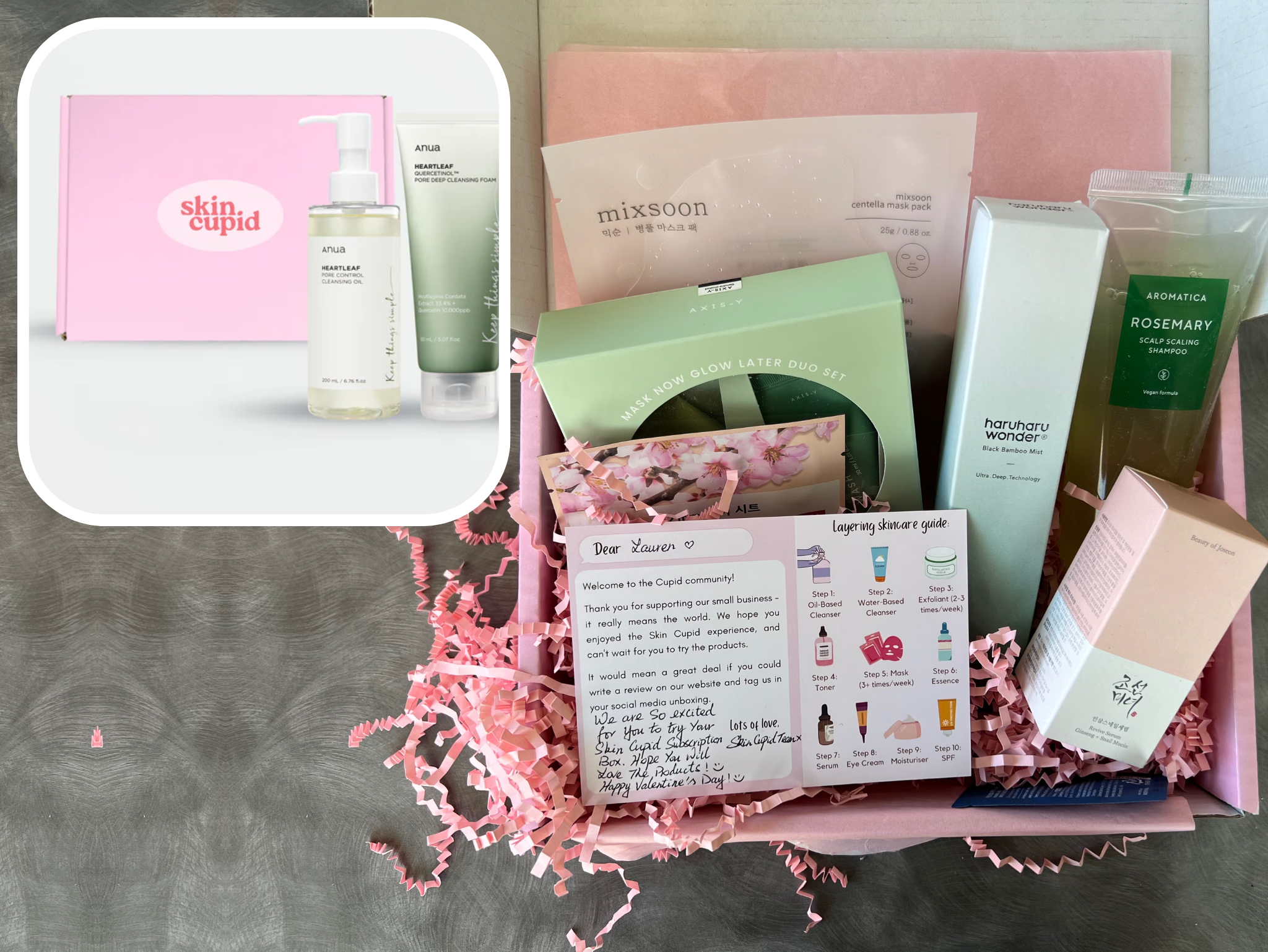
South Korea’s globally renowned K-beauty industry is facing mounting pressure as a result of tariffs imposed under trade policies introduced during the administration of former U.S. President Donald Trump. Once celebrated for its rapid international growth and influence on global beauty trends, the sector is now grappling with increased costs, disrupted supply chains, and uncertainty about future market access—particularly in the United States, one of its key export destinations.
The tariffs, originally designed to counter what the Trump administration called unfair trade practices by China and other countries, have had broader repercussions, impacting industries and nations that were not their primary targets. South Korea’s cosmetics sector, which relies heavily on exporting skincare and makeup products to American consumers, has become an unintended casualty of this policy approach.
As K-beauty remains popular and well-recognized by consumers worldwide, Korean companies are encountering rising expenses when shipping to the U.S. The increased costs, mainly due to higher tariffs on components, packaging, and some finished products, are compelling numerous firms to reassess their pricing and distribution approaches.
For small and medium-sized enterprises (SMEs) in particular, the impact has been significant. Unlike large multinational corporations that can absorb or offset these costs, smaller Korean brands often operate on thinner margins and lack the resources to adapt quickly. Many have had to delay expansion plans, reduce marketing budgets, or seek alternative markets in Southeast Asia and Europe.
The U.S. remains a crucial market for K-beauty due to its size, purchasing power, and trend-setting influence. Korean products gained rapid popularity in the U.S. over the past decade, thanks in part to social media, beauty influencers, and the growing appeal of Korean pop culture. From BB creams and sheet masks to innovative skincare routines, Korean beauty brands have reshaped global consumer expectations and industry standards.
Nevertheless, due to the increased strain of tariffs, competitive standing is jeopardized. Korean firms are currently encountering heightened price rivalry from local U.S. brands and other global competitors who are not impacted by the same trade barriers. This situation has raised alarms that the expansion trajectory of K-beauty within the U.S. market could be decelerating, especially for recent market entrants aiming to build brand recognition.
To mitigate the impact, some firms have explored localized production or partnerships with American manufacturers. While this approach may reduce tariff exposure, it also brings challenges related to quality control, brand identity, and operational complexity. Others have looked into setting up fulfillment centers within the U.S. to streamline logistics and manage costs more effectively, but these solutions require significant investment and planning.
The South Korean government has been monitoring the situation closely. Trade officials have raised concerns through diplomatic channels and trade forums, advocating for a more nuanced application of tariffs that considers the unique characteristics of the Korean-U.S. trade relationship. Seoul has also offered limited support programs for affected exporters, including financial assistance and consultation services aimed at helping businesses diversify their markets or rework supply chains.
From a wider viewpoint, the current trade tensions highlight how susceptible extensively globalized sectors are to changing political environments. The swift ascent of K-beauty was facilitated by accessible markets, streamlined logistics, and eager international consumer interest. At present, the same framework that propelled its expansion is being challenged by geopolitical instability and trade protectionism.
Some industry analysts remain optimistic, noting that K-beauty has demonstrated resilience before—particularly during past disruptions such as the COVID-19 pandemic, when e-commerce and digital engagement helped sustain demand. Continued innovation, strong branding, and a loyal customer base may allow leading Korean beauty companies to weather this latest storm and adapt to changing trade environments.
Meanwhile, companies are opting for a more tactical approach to the U.S. market. Numerous firms are focusing more on online platforms, direct-to-consumer strategies, and influencer collaborations to uphold customer loyalty without depending heavily on conventional retail partners. This transition not only aids in minimizing operational costs but also delivers important insights into customer preferences and purchasing habits.
Moreover, introducing new products continues to set companies apart significantly. K-beauty brands are consistently channeling resources into research and development, prioritizing natural ingredients, eco-friendly packaging, and formulas supported by scientific research. These patterns closely match the changing preferences of consumers in the U.S., where there is a swift increase in consciousness regarding health, sustainability, and sourcing ethics.
Although there are present obstacles, top figures in the industry assert that the core allure of K-beauty has not diminished. This sector continues to be recognized globally for its excellence, inventiveness, and cost-effectiveness, maintaining its appeal among consumers worldwide, suggesting that demand will not completely disappear. Nonetheless, in an increasingly protectionist and cost-aware trading atmosphere, companies must find a way to harmonize innovation with durability, while managing short-term modifications alongside their long-term strategic goals.
As discussions about trade between the U.S. and its partners continue to change under the present administration, there might still be chances to review or modify tariff arrangements impacting South Korean exporters. Meanwhile, the K-beauty sector must stay adaptable, inventive, and proactive to maintain its global achievements.
The tale of K-beauty’s reaction to tariffs during Trump’s tenure presents an engaging examination of the challenges in international trade, the link between policy and business, and the flexibility companies must exhibit to maneuver through an unpredictable economic environment. Although the path ahead is unclear, it is evident that the worldwide beauty sector, including K-beauty, is being transformed not just by consumer preferences but also by the dynamics of global trade policies.