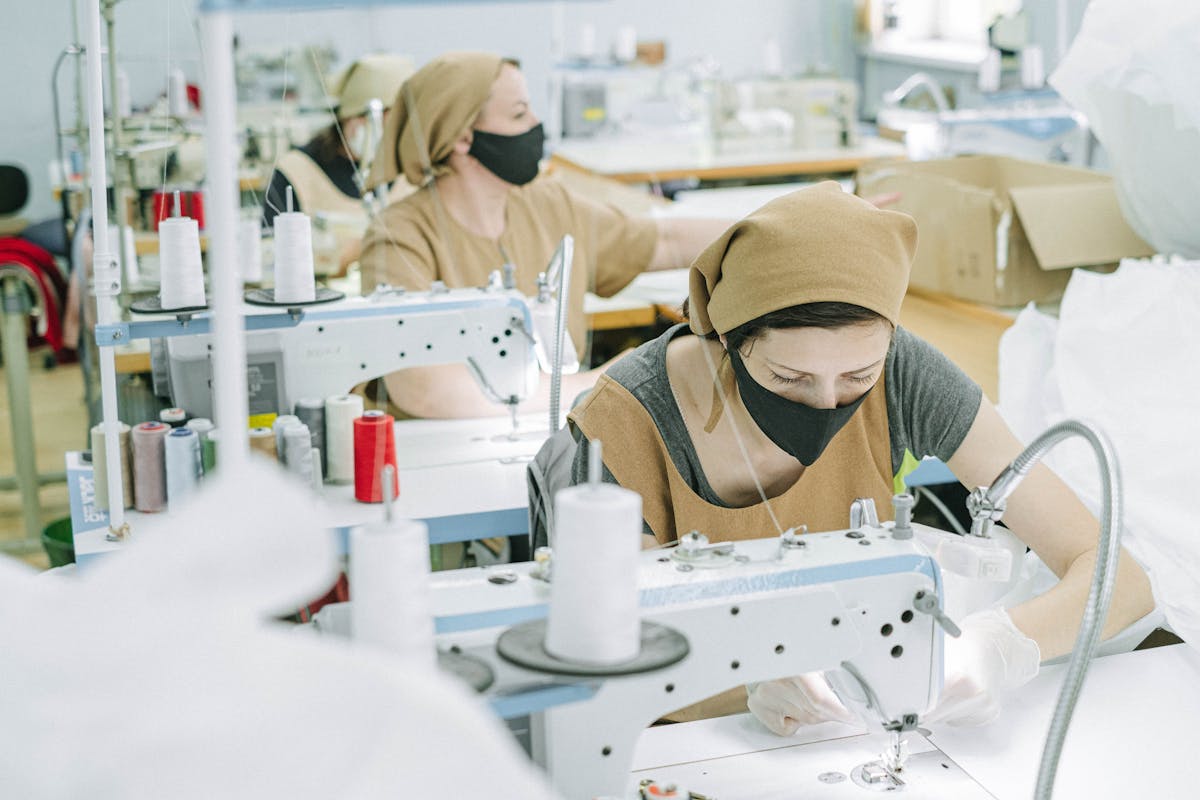
Inditex, a leading company in the international fashion industry and the owner of well-known brands such as Zara, Massimo Dutti, and Pull&Bear, has significant control over global fashion supply networks. The company operates a vast network in over 100 nations, hiring many individuals and collaborating with numerous suppliers. Its fast-fashion approach, characterized by swift product rotations and flexible sourcing methods, has previously sparked concerns about labor abuses, equitable pay, and workplace safety. In recent times, however, Inditex has taken deliberate steps to tackle these challenges. This article delves into the detailed initiatives, strategies, and measurable outcomes of Inditex’s efforts to enhance labor conditions across its worldwide operations.
Strengthening Supply Chain Oversight and Transparency
One essential element of Inditex’s strategy for advancing labor rights is enhancing transparency in their supply chain. Inditex keeps an accessible list of suppliers, refreshed every year, detailing over 1,800 suppliers and 6,800 factories globally. This openness enables outside parties to oversee working conditions and ensure the company’s accountability.
Further, the company utilizes a sophisticated digital traceability tool called INET, which tracks the life cycle of each garment from the sourcing of raw materials to the finished product. This tool supports the detection and remediation of labor violations at every step of the manufacturing process.
Implementation of the Inditex Code of Conduct for Manufacturers and Suppliers
All suppliers and manufacturers working with Inditex must comply with the Inditex Code of Conduct. This document enshrines standards aligned with International Labour Organization conventions, covering topics such as:
No child or forced labor: Regular assessments are conducted to confirm that there are no underage or unwilling workers throughout their supply chain. Equitable wages and benefits: The code stipulates that employees should receive either the minimum legal pay or the industry standard, choosing the greater of the two. Restrictions on working hours: Suppliers are required to comply with legal limits on working hours, offer rest days, and prevent excessive overtime.
Comprehensive Auditing and Remediation Programs
Inditex’s review structure involves assessments by its own team as well as by external entities. During 2022, the business carried out nearly 12,000 social inspections, concentrating on preventing labor violations such as dangerous work environments, salary theft, and intimidation.
When breaches are identified, Inditex initiates its Corrective Action Plans (CAPs). These strategies oblige the supplier to address the problem within designated time frames. In serious instances or when persistent violations take place, Inditex has ended contracts with suppliers, as demonstrated by their public documentation.
Social Dialogue and Worker Empowerment
Apart from ensuring compliance, Inditex has joined forces with international labor bodies like IndustriALL Global Union. By establishing the Global Framework Agreement in 2007 and renewing it regularly, Inditex supports union rights, such as collective bargaining and workers’ freedom of association in supplier factories. More than 1.4 million workers gain advantages from programs under this agreement.
Importantly, Inditex advocates for in-person training for workers, assists in facilitating union elections, and provides grievance processes that allow employees to voice issues without fearing retaliation. One instance is the Bangladesh Accord on Fire and Building Safety, with Inditex being a prominent signatory. This Accord has considerably improved safety standards within factories in one of the major garment manufacturing centers globally.
Strategies for a Living Wage and the Digitization of Salaries
Although the legal minimum salaries in numerous supplier nations are often viewed as inadequate, Inditex has been involved in joint wage evaluations and trial initiatives to attain fair compensation for employees. In nations such as Turkey and Vietnam, for instance, the firm has taken part in efforts to digitalize wages, guaranteeing that workers obtain precise and prompt electronic payments, thereby decreasing salary theft and enhancing clarity.
In 2022, Inditex collaborated on initiatives with multiple stakeholders to establish living wage benchmarks utilizing independently validated data. While the impact differs by region, these efforts signify gradual advancement in bridging the living wage disparity in supplier factories.
Programs for Skill Enhancement and Education
Inditex invests in worker education, including gender equality, health and safety, and rights awareness. Its ‘Health and Safety Root Cause’ programs reach thousands of workers annually, resulting in lower rates of accident and injury. In 2021, over 500,000 workers participated in capacity-building sessions across India, Bangladesh, and China.
The company’s Women Empowerment Program, launched in partnership with local NGOs, has led to improved promotion rates for female workers and a decrease in reported harassment cases. A 2023 assessment in Indian supplier factories showed a 24% reduction in reported workplace grievances post-training.
Addressing Modern Slavery Risks and Migrant Worker Protection
Identifying risks associated with contemporary slavery and the exploitation of migrant laborers, Inditex has released modern slavery reports in accordance with UK and Australian laws. These reports outline their procedures for risk evaluation and steps for due diligence.
Inditex enforces direct recruitment, fees-free employment, and passport retention bans in supplier factories with significant migrant labor populations. As part of the Responsible Recruitment Toolkit, factory managers receive tailored training on ethical recruitment, and audits track compliance against strict anti-trafficking measures.
Impacts and Challenges
The 2020 COVID-19 pandemic placed unprecedented strain on global supply chains and exposed labor rights risks, particularly when orders were delayed or canceled. Inditex stood out for its commitment to paying for completed orders, thereby ensuring workers received due compensation during factory shutdowns, as verified by the Worker Rights Consortium.
However, hurdles remain. Even though auditing and corrective measure data indicate progress, the enforcement of pay and safety regulations locally can vary, in part because of intricate subcontracting connections. Inditex’s layered oversight strives to address these deficiencies, although they admit that ongoing alertness and adjustment are required.
Inditex’s ongoing efforts to improve labor conditions reflect the evolving expectations of consumers, investors, and regulatory bodies in the fashion sector. While successes such as enhanced traceability, union engagement, and targeted wage interventions demonstrate genuine progress, complex supply chain dynamics continue to test the limits of even the most rigorous systems. As innovations in transparency and worker engagement unfold, the sustainability of these initiatives will hinge on deeper supplier relations and resilient partnerships with labor organizations. Recognizing these broader dynamics is essential to evaluating what substantive improvements in garment industry labor standards truly look like.