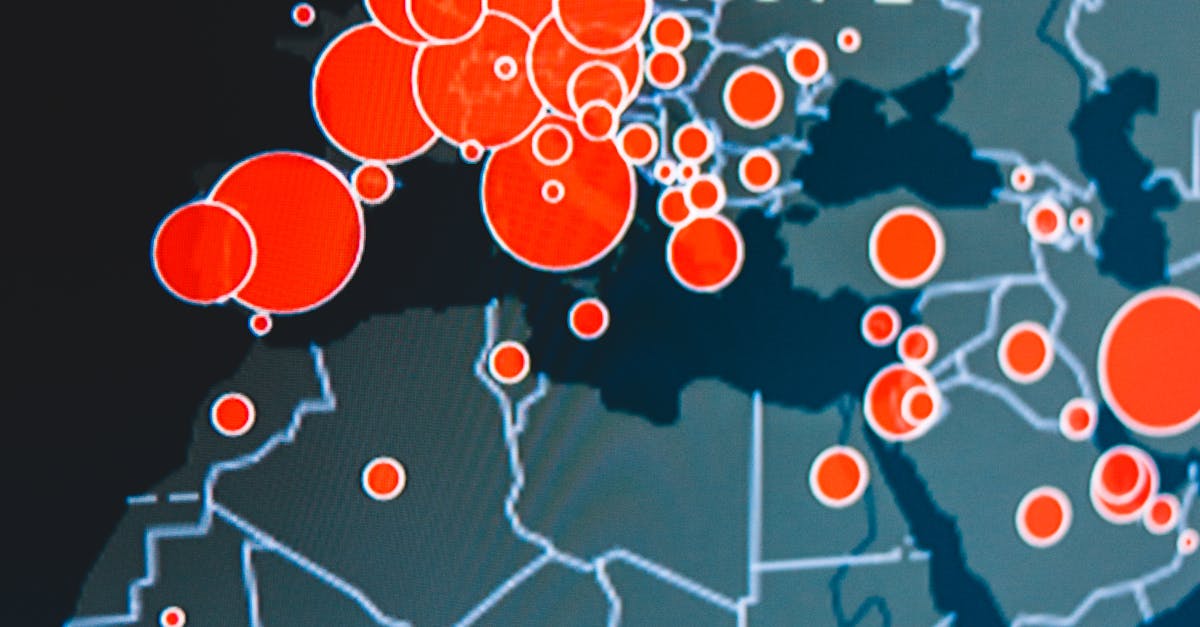
The social media platform’s recently enhanced geolocation capabilities have generated unease among privacy-conscious users. Instagram’s mapping feature, designed to help people discover nearby content and events, has raised questions about data collection practices and potential misuse of location information.
Digital privacy experts highlight several aspects of the feature that concern them. The automatic tagging function can precisely identify and display a user’s whereabouts unless manually disabled. Even when location services appear turned off, some metadata embedded in posts might still reveal approximate positions through background processes.
Many individuals are not fully aware of the range of location information that is being collected. The service gathers not only the locations mentioned in posts but also movement trends inferred from frequent check-ins and the silent operation of apps. This data aids in creating comprehensive profiles on user routines and often-visited places, which are useful for personalized advertising but concerning for those hoping to minimize their online presence.
Security experts highlight specific dangers for at-risk populations. Reporters, advocates, people escaping domestic violence, and individuals requiring location secrecy might accidentally divulge critical details. Even typical users could encounter threats of being followed or robbery when revealing current locations. The platform’s standard settings lean towards extensive data gathering instead of safeguarding user privacy.
The mapping functionality integrates with Instagram’s broader ecosystem in ways that aren’t immediately obvious. Location data from posts interacts with facial recognition algorithms and friend suggestion systems, creating comprehensive behavioral profiles. These can reveal not just where users go, but who they associate with and their daily routines.
Some technology experts contend that this feature illustrates a larger industry trend towards normalizing continuous location sharing. With augmented reality filters and local business discovery becoming essential platform features, individuals feel more compelled to provide their location data to fully utilize these services. This results in a conflict between engaging in social media platforms and preserving personal privacy.
Privacy advocates recommend several protective measures. Users can disable precise location tracking in their device settings, turn off location history, and manually remove geotags from posts. More cautious individuals might consider posting location-based content only after leaving a venue or using VPN services to obscure digital trails.
Instagram maintains that location features aim to enhance user experience by connecting people with relevant local content. The company states it provides clear controls and explanations about data usage. However, the complexity of privacy settings means many users never fully understand or adjust their preferences.
The controversy reflects growing public awareness about digital privacy trade-offs. As social platforms increasingly monetize location data, users must weigh convenience against potential risks. This particular feature has become a flashpoint in ongoing debates about how much personal information people should surrender for social connectivity.
Legal experts note that regulatory frameworks haven’t kept pace with these technological developments. While Europe’s GDPR provides some location data protections, U.S. laws offer fewer safeguards. This discrepancy highlights the need for more comprehensive digital privacy legislation as geolocation features become standard across social platforms.
The situation presents a case study in how tech companies balance innovation with responsibility. Features designed to boost engagement and advertising revenue can have unintended consequences for user safety and privacy. As Instagram continues developing location-based services, it will need to address these concerns transparently to maintain trust.
For now, the onus remains on users to educate themselves about privacy settings and make informed choices. The mapping feature controversy serves as a reminder that in the digital age, location information represents powerful but sensitive data that requires careful management and protection.