

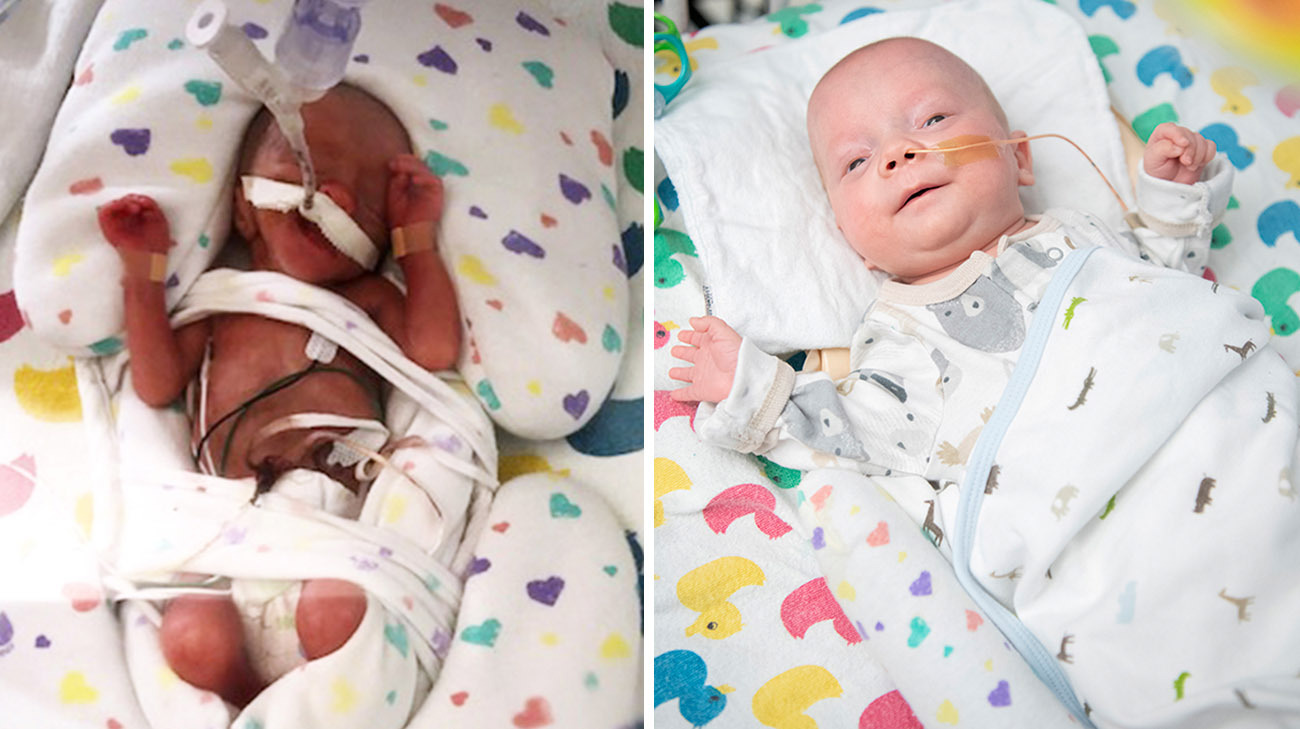
In Italy, a heartbreaking event involving two newborns has captured both national and international focus after officials started examining if hospital apparatus was compromised with dish soap. The fatalities, which happened in a neonatal intensive care environment, have raised pressing concerns regarding hospital security protocols, sanitation methods, and the measures aimed at safeguarding the most defenseless patients.
The infants, born prematurely and requiring specialized medical care, were reported to have developed severe complications following routine treatment. Preliminary findings suggest that the complications may have been linked to improper cleaning of hospital equipment, where dishwashing liquid could have been mistakenly used instead of the approved medical-grade sterilizing agents. While the investigation is ongoing, this possibility has generated widespread concern among healthcare professionals, patient advocates, and the general public.
Premature infants are particularly at risk when it comes to hospital-acquired infections or contamination. Their immune systems are not fully developed, making them highly dependent on strict hygiene protocols and sterile medical environments. Any lapse in these standards can have devastating consequences, as was tragically highlighted in this case. The incident has underscored the importance of precision and vigilance in every step of neonatal care, where even small errors can carry life-threatening risks.
Authorities in Italy have already launched multiple inquiries to determine exactly how the suspected contamination occurred. Early reports indicate that cleaning supplies may not have been properly distinguished or stored, raising concerns about staff training and the systems in place to prevent such mix-ups. Investigators are also looking into whether existing safety checks were followed consistently or whether procedural gaps contributed to the tragedy. Hospitals typically enforce strict guidelines for sterilization, but this case has highlighted the need for reinforcing oversight and accountability.
Healthcare representatives have offered their sympathies to the impacted families, committing to openness during the inquiry. Meanwhile, medical groups are advocating for swift evaluations of sterilization practices nationwide to prevent future incidents. Suggestions have been made to introduce more labeling, color-coding, and educational measures to minimize the chances of mixing up cleaning substances with medical sterilization agents.
Beyond the immediate hospital where the incident took place, the tragedy has ignited a broader discussion about patient safety in neonatal care units worldwide. The case serves as a sobering reminder that even in advanced healthcare systems, human error and procedural shortcomings can still lead to preventable outcomes. It also emphasizes the crucial role of hospital staff education, consistent monitoring, and robust safety protocols in protecting the lives of premature infants.
Families of babies born prematurely often have a significant level of trust in neonatal intensive care units, feeling assured that their infants are receiving optimal care. Situations like this disrupt that confidence and prompt critical inquiries about the manner in which hospitals interact with families during crises. Open dialogue, empathetic assistance, and detailed accounts of any mishaps are crucial elements for restoring faith in the medical system after such heartbreaking tragedies.
Internationally, health experts have pointed out that the tragedy in Italy should serve as a wake-up call for medical institutions everywhere. Hospitals across the globe face similar risks if cleaning and sterilization protocols are not rigorously managed. The lessons drawn from this investigation could lead to stronger global safety standards, helping to prevent similar cases in the future.
While the investigation continues, the Italian public is watching closely for answers. For the grieving families, justice and accountability remain a priority, but so too does ensuring that other parents never face the same heartbreaking situation. For healthcare providers, the case is an urgent reminder of the responsibility they carry—not only to deliver care but also to maintain an uncompromising commitment to safety at every level.
The passing of the two newborns represents a deep tragedy, emphasizing the delicate nature of neonatal care and the vital necessity of accuracy in medical procedures. Regardless of whether this incident turns out to be due to unintentional soap contamination or a different type of procedural fault, it accentuates the need to maintain top-tier standards of healthcare safety. Ultimately, this situation is not solely about identifying what failed in a particular medical facility, but about strengthening a culture of awareness that safeguards the most fragile patients globally.


