

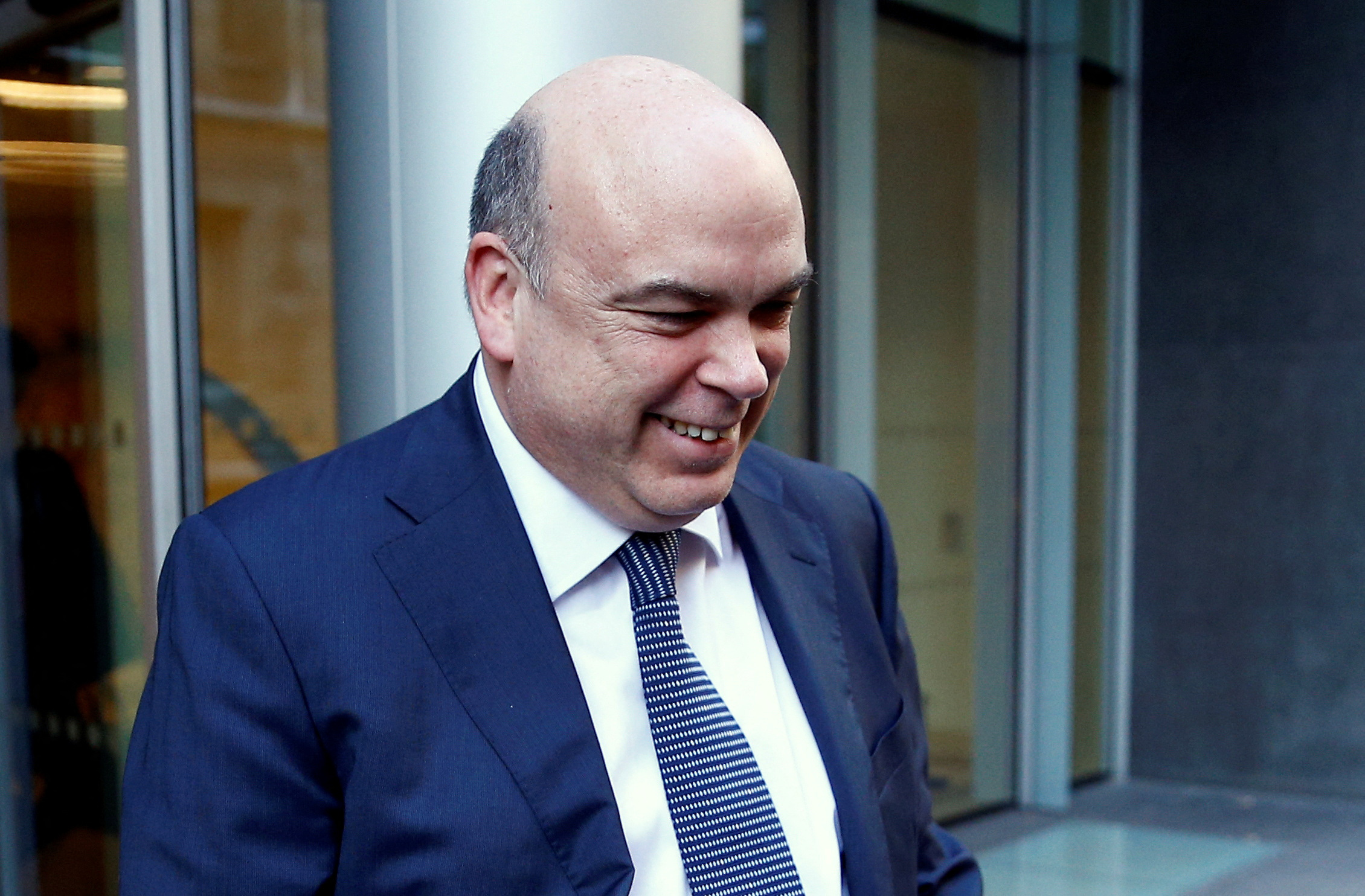
British technology entrepreneur Mike Lynch has been ordered by a U.K. court to pay more than $900 million in damages, marking a significant development in a lengthy legal saga that has drawn global attention. The decision comes after years of legal battles tied to the controversial sale of Autonomy, a software company Lynch co-founded, to Hewlett-Packard (HP) in 2011. The court’s ruling brings a decisive turn in the high-profile corporate dispute, one that has played out across two continents and deeply affected the reputations and fortunes of those involved.
The case centers around allegations that Lynch misled HP about Autonomy’s financial health during acquisition talks, which led the American tech giant to pay over $11 billion for the U.K.-based firm. Soon after the acquisition, HP announced it had taken a writedown of nearly $8.8 billion, claiming that the financial records it had relied upon were inflated and inaccurate. HP contended that a substantial part of the overpayment resulted from deceptive practices, including the misrepresentation of revenue sources and accounting irregularities. These claims triggered investigations in both the United States and the United Kingdom, resulting in civil lawsuits, criminal charges, and now this significant financial penalty.
The recent decision comes after a civil trial in the United Kingdom that extended for more than a year, during which both parties provided comprehensive financial documents and expert testimonies. The court ultimately found that Lynch was involved in deceitful actions concerning the agreement. According to the conclusion, the distortion of Autonomy’s revenue sources—particularly through hardware sales and other methods to artificially boost recurring software income—was crucial in persuading HP to move forward with the deal at the set price. The judge concluded that HP would not have paid such a high amount if it had been fully informed.
Lynch has continually rejected allegations of misconduct, asserting that Autonomy was a competently managed organization that followed standard business practices. He contended that HP’s own failures in management and improper integration of Autonomy played a role in the breakdown of the acquisition. His defense highlighted the fact that HP had performed thorough due diligence prior to the acquisition and that they had all the essential financial data at their disposal. Despite this, the court determined there was enough proof to back HP’s fraud allegation and instructed Lynch to reimburse the company for the consequent financial damages.
La sentencia amplifica notablemente las presiones legales y monetarias sobre Lynch, quien además está enfrentando procedimientos de extradición en los Estados Unidos. Las autoridades estadounidenses lo han acusado de conspiración, fraude electrónico y fraude de valores relacionado con el mismo conjunto de alegaciones. Ha combatido la extradición de manera enérgica, pero los acontecimientos recientes indican que podría tener que ser juzgado pronto en un tribunal estadounidense. Si es declarado culpable en los EE.UU., Lynch podría enfrentar una considerable pena de prisión además de los daños otorgados en el Reino Unido.
The story surrounding Autonomy has turned into one of the most prominent cases of corporate legal battles between continents. It shows the growing readiness of authorities in the U.K. and U.S. to tackle intricate financial crimes that cross territorial boundaries. Additionally, it underscores the dangers that tech firms and their leaders encounter during significant mergers and acquisitions, particularly when heavy reliance is placed on intangible assets such as intellectual property and anticipated software income.
For HP, the verdict serves as some degree of validation after facing years of scrutiny regarding the Autonomy acquisition. The company faced significant backlash for allegedly overpaying and for not performing more comprehensive due diligence. Executives from that period, such as then-CEO Meg Whitman, maintained that the acquisition strategy was sound but eventually blamed Lynch and his group for the failure of the transaction. The court’s ruling backs this version of events, although it still raises issues concerning HP’s internal decision-making process and whether a different outcome was possible with more rigorous examination.
The ruling also sends a strong message to the broader business community. Misleading investors and potential acquirers about a company’s financial health can lead to severe consequences, including both civil and criminal liability. It reinforces the importance of transparency, sound accounting practices, and full disclosure during mergers and acquisitions. Executives who engage in deceptive conduct may find themselves not only on the hook for financial damages but also facing criminal prosecution.
Despite the verdict, Lynch’s legal team has indicated that they intend to appeal the decision. They argue that the ruling misinterprets the financial evidence and unfairly assigns blame for a failed integration effort that was beyond Lynch’s control. The appeal process could extend the legal battle for several more years, but unless overturned, the financial penalty stands as one of the largest ever imposed on a British entrepreneur in a civil fraud case.
Observers of the situation emphasize that the scale of the damages might crucially impact Lynch’s financial prospects. Despite accumulating substantial wealth through the Autonomy sale and his previous business activities, the over $900 million liability might necessitate liquidating assets or undertaking financial reorganizations. Furthermore, the extent to which HP can recuperate the funds remains uncertain, particularly due to the intricacy of Lynch’s financial assets and possible safeguards in various regions.
Meanwhile, other former Autonomy executives have also faced scrutiny. Some have already been convicted in the United States on related charges, and others remain under investigation. The legal fallout has had a chilling effect on executive behavior in the tech sector, reminding corporate leaders that even long-closed deals can resurface if wrongdoing is alleged.
The verdict adds complexity to the history of Mike Lynch, who was previously celebrated as a leading technology entrepreneur in the U.K. Autonomy was regarded as a local success narrative prior to the acquisition controversy, and Lynch was frequently compared to the foremost innovators from Silicon Valley. This decision alters that storyline, casting significant doubts over his achievements and questioning the ethical standards of his business methods.
Mientras el proceso legal avanza, el asunto entre HP y Mike Lynch probablemente seguirá siendo un punto de referencia en debates sobre fraude corporativo, cumplimiento internacional, y la responsabilidad de los líderes tecnológicos en transacciones financieras de gran escala. Destaca el impacto duradero que un solo acuerdo puede tener en reputaciones, carreras e historias corporativas.


