

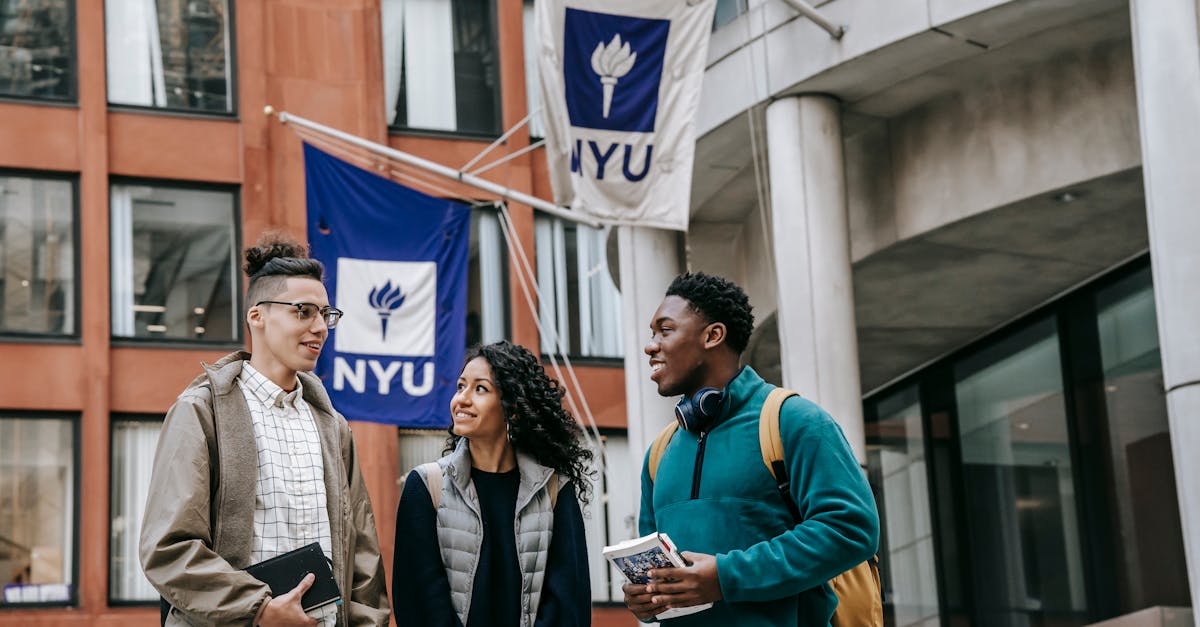
Multiculturalism in the United States is not an abstract idea; it is a lived daily experience. People encounter cultural diversity when they buy groceries, choose where to live, and send children to school. These everyday moments shape tastes, social networks, and civic life. This article examines how food, neighborhoods, and schools transmit cultural difference into commonplace practices, backed by demographic context, concrete examples, and evidence of influence and tension.
Demographic and historical context
The United States has a long history of migration and internal mobility. In recent decades roughly one in seven residents has been born outside the country, and immigration continues to diversify birthplaces, languages, and religious traditions in cities and suburbs alike. Public school enrollment shifted from a majority white population toward a majority made up of multiple racial and ethnic groups in the last decade; at the same time, roughly one in four children has at least one parent who was born abroad. These shifts created conditions in which food, residential patterns, and schools became primary sites for cultural exchange, adaptation, and contestation.
Food: a first, accessible point of contact
Food is the most immediate way many Americans experience other cultures. Restaurants, grocery stores, food trucks, and festivals introduce new flavors, cooking techniques, and dining rituals. Food drives everyday curiosity but also functions as economic opportunity and cultural expression.
- Restaurants and entrepreneurship: Immigrant entrepreneurs disproportionately found small food businesses. Neighborhood eateries and carts often become launching pads for family businesses, generating employment and cultural visibility.
- Diverse retail landscapes: Supermarkets and specialty markets stock ingredients that enable home cooking across traditions. The rise of specialty aisles and international markets in suburban shopping centers mirrors demographic change and consumer demand.
- Fusion and adaptation: Cross-cultural menus—where dishes are adapted to local ingredients and tastes—create hybrid dining options that many Americans adopt as part of mainstream cuisine. These adaptations show both creativity and the power dynamics of cultural exchange.
- Public events and festivals: Food festivals, street markets, and farmers markets spotlight cultural traditions and attract broad audiences, turning culinary practices into shared public experiences.
Examples:
- A local marketplace offering spices tied to particular regions while featuring cooking demos that draw in shoppers new to those flavors.
- A decades-old street celebration where various immigrant communities run food stalls, turning it into a yearly gathering spot for families citywide to socialize and try unfamiliar dishes.
Neighborhoods: enclaves, diffusion, and emerging blends
Residential environments shape daily interactions. Established ethnic enclaves, newly emerging clusters, and increasingly diverse suburbs each cultivate their own forms of multicultural life.
- Ethnic enclaves: Dense neighborhood clusters offer language access, culturally familiar services, and social networks that ease settlement. They also serve as cultural hubs for the wider city through commerce and festivals.
- Ethnoburbs and suburban diversity: As immigrants and their children move to suburbs, new mixed neighborhoods emerge with grocery stores, places of worship, and cultural centers that reflect multiple heritages.
- Day-to-day contact: Shared public spaces—parks, transit, libraries—become sites where neighbors encounter difference in informal ways: children playing, conversations at corner stores, and joint participation in local civic associations.
- Gentrification and displacement: Rising housing costs can change the cultural composition of neighborhoods quickly, compressing the very spaces that fostered cultural exchange and entrepreneurial livelihoods.
Case examples:
- A multiethnic commercial corridor where signage appears in several languages, small groceries sell specialist ingredients from different regions, and restaurants reflect a range of cuisines.
- A suburban shopping center that evolved into a hub for recent arrivals, offering services from remittance kiosks to bilingual medical clinics and restaurants appealing to varied tastes.
Schools: structured sites of cultural encounter and identity formation
Schools are arguably among the most influential institutions shaping multicultural experiences, as they gather children from varied backgrounds, guide bilingual and cultural learning, and frequently shape the social networks they develop for the future.
- Demographics and language learners: Public schools serve increasingly diverse student bodies, including a notable share of students classified as English learners. Schools therefore face both the challenge and opportunity of supporting multilingualism while ensuring equitable academic access.
- Dual-language and bilingual programs: Programs that teach in two languages or that support home languages alongside English have expanded in many districts. These programs aim to improve academic outcomes for all students and normalize multilingualism in the school culture.
- Curriculum and representation: Efforts to diversify curriculum—history, literature, civics—create spaces where students see their backgrounds represented. Extracurricular activities, cultural clubs, and language-targeted after-school programs further support cultural maintenance and exchange.
- Segregation and resource gaps: Despite overall diversity, deep inequalities persist. Schools serving lower-income or newly arrived families often have fewer resources, larger class sizes, and less access to advanced coursework, limiting the benefits of multicultural contact.
Illustrations:
- An elementary school in the neighborhood that observes a wide range of cultural festivities, provides after-school language programs, and welcomes local chefs who showcase traditional dishes during family events.
- A high school featuring a robust dual-language track that prepares graduates to command two languages, giving them a competitive edge as they move into local careers or pursue further studies within a multilingual marketplace.
Intersections, benefits, and tensions
Multiculturalism unfolds where daily behaviors meet broader societal frameworks, offering evident advantages such as expanded preferences, more resilient local markets, and enhanced cross-cultural abilities, while also giving rise to enduring points of friction.
- Cultural enrichment and economic gain: Diverse foods and stores generate consumer choice and tourism. Schools that support multilingualism can improve academic outcomes and cultural competency.
- Appropriation and inequity: Cultural elements adopted by mainstream businesses may not yield commensurate economic benefits to origin communities, raising questions about recognition and fair compensation.
- Social friction: Rapid demographic change can provoke backlash, zoning conflicts, and political debate over language use, public resources, and school assignments.
- Policy levers matter: Local zoning, language access policies, school funding formulas, and small-business supports shape whether multicultural encounters are equitable and durable.
Practical ways Americans encounter multiculturalism together
- Shopping at markets that stock unfamiliar ingredients and asking vendors how those items are used.
- Attending neighborhood street fairs and school cultural nights where food, music, and crafts are shared.
- Supporting local immigrant-owned businesses and attending community meetings where diverse residents shape local policy.
- Advocating for school programs that teach multiple languages and include diverse perspectives in curricula.
Americans typically encounter multiculturalism not as isolated details but through intertwined routines involving daily meals, shopping habits, living environments, and children’s education. Food sparks interest and fosters economic possibilities; neighborhoods shape everyday interactions and civic engagement; schools influence identity, language development, and long‑term mobility. When public policy and community support work together to strengthen small enterprises, invest in fair educational systems, and protect affordable housing, multicultural exchanges emerge as lasting engines of creativity and social unity. When those foundations weaken, experiences may reinforce inequality and exclusion, even as cultural symbols become more visible in shops and restaurants. The broader insight is that everyday multiculturalism depends on open social environments and deliberate public action to transform cultural visibility into shared opportunity and reciprocal respect.


