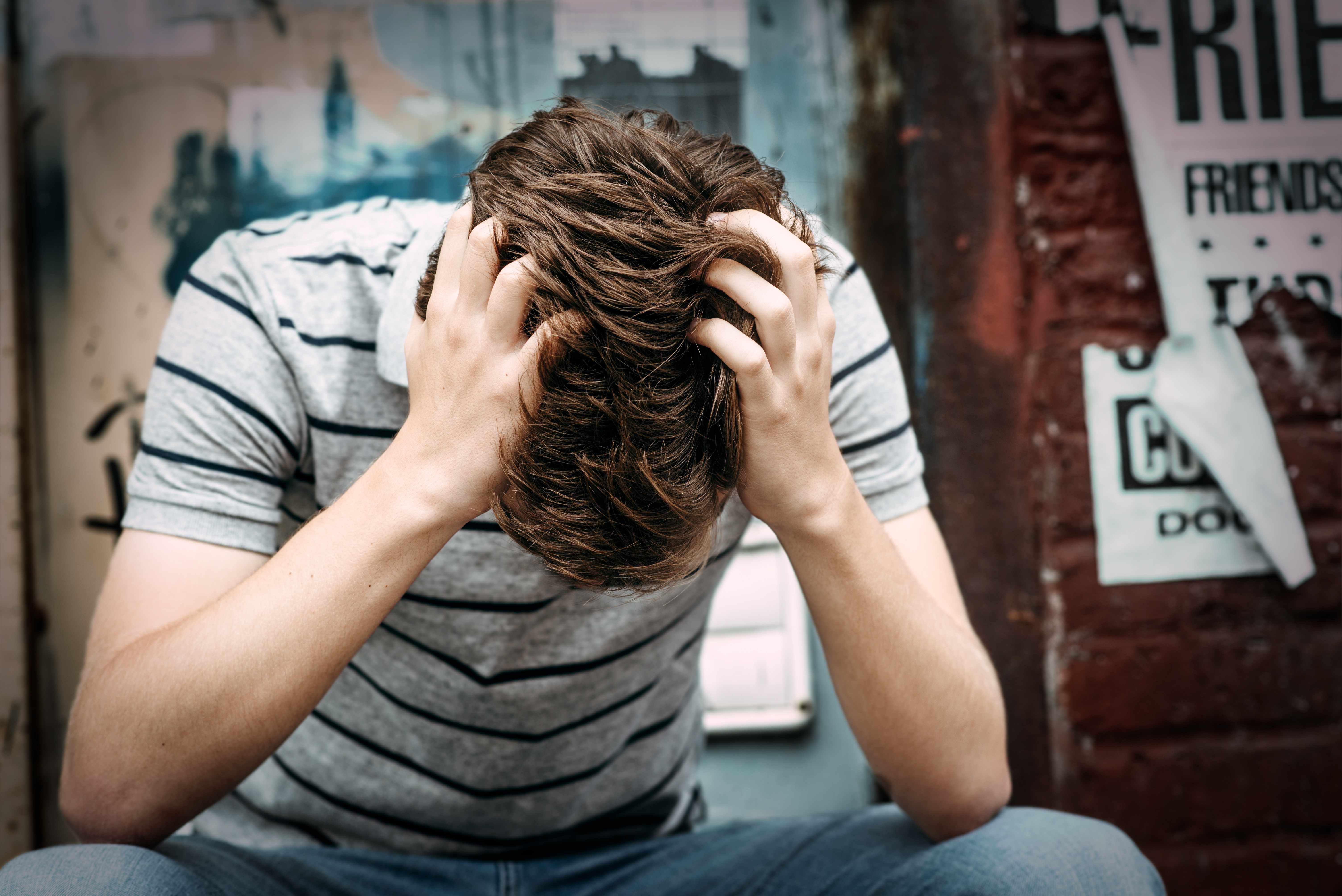
Anxiety, a widespread mental health issue around the world, can manifest from slight discomfort to intense fear. With almost 301 million people affected by anxiety disorders according to the World Health Organization, the necessity for proven methods to manage anxiety has reached a critical level. Investigating various, effective strategies is essential for immediate relief and lasting mental health.
Methods in Cognitive-Behavioral Therapy
Cognitive-behavioral therapy (CBT) stands as one of the most rigorously validated interventions for anxiety. Central to this approach is cognitive restructuring: identifying and reframing irrational fears. For example, a person convinced that public speaking will lead to humiliation can learn to challenge these thoughts—“What evidence supports this belief?”—and gradually replace catastrophic predictions with more realistic assessments.
Exposure therapy, a subset of CBT, encourages gradual confrontation with feared situations. By systematically exposing oneself to anxiety triggers in a controlled environment, the intensity of fear diminishes over time. Case studies show that when individuals with social anxiety practice short, structured conversations with strangers, anxiety symptoms often decrease after repeated exposures.
Mindfulness and Relaxation Strategies
Mindfulness cultivates a nonjudgmental awareness of the present moment. This practice, rooted in meditation traditions but adapted for modern clinical use, helps individuals disengage from cycles of worry. A study published in JAMA Psychiatry revealed that participants practicing daily mindfulness meditation reported significantly reduced anxiety scores over an eight-week period compared to control groups.
Deep breathing exercises engage the parasympathetic nervous system, decreasing physiological arousal levels. The 4-7-8 method—inhaling for four seconds, holding the breath for seven, and exhaling for eight—has been proven to significantly lower heart rates and stress levels. Progressive muscle relaxation, which involves systematically tensing and releasing different muscle groups, has also demonstrated its effectiveness, especially among those with generalized anxiety disorder.
Changes in Lifestyle
Lifestyle plays a pivotal role in anxiety modulation. Physical activity, such as aerobic exercise, induces endorphin release and enhances mood stabilization. Meta-analyses confirm that those who engage in three to five sessions of moderate exercise weekly report less anxiety compared to sedentary peers. Additionally, regular sleep hygiene promotes emotional regulation. Practices include maintaining consistent bedtimes, minimizing blue light exposure, and establishing wind-down routines.
Nutrition also impacts anxiety levels. Studies link diets high in processed sugars and caffeine to increased anxiety symptoms. Emphasizing balanced intake of whole grains, omega-3 fatty acids, and leafy greens may foster neurochemical balance, supporting resilience to stress.
Assistance in Social and Professional Contexts
Isolation frequently worsens anxiety. Contacting reliable people—such as friends, family members, or support groups—offers emotional support and strategies for coping. Group therapy with a structured approach has been proven to not only lower anxiety reported by participants but also to enhance social confidence.
When symptoms become overwhelming or remain despite personal self-care efforts, professional assistance is crucial. Certified therapists provide tailored therapies, including acceptance and commitment therapy, trauma-focused approaches, or medication when necessary. For example, selective serotonin reuptake inhibitors (SSRIs) are commonly recommended, with extensive clinical research showing their efficacy for both acute and long-term anxiety issues.
Digital Tools and Therapeutic Innovations
The digital era has expanded access to therapeutic resources. Mobile apps offering guided meditation, cognitive exercises, and mood tracking bring evidence-based anxiety relief to users’ fingertips. Platforms such as Headspace and Calm report high engagement rates among users with moderate anxiety symptoms, especially when combined with traditional care.
Virtual reality therapy provides immersive exposure experiences—patients with phobias can, for example, confront feared scenarios in a safe digital environment, showing significant reduction in avoidance behaviors over time.
From Techniques to Transformation
The path from anxiety to equilibrium is inherently personal. While singular interventions provide relief for some, a layered, adaptable approach often yields the greatest benefit. Integrating cognitive, behavioral, somatic, social, and digital strategies allows individuals to construct a multifaceted toolkit tailored to diverse life circumstances. As scientific research advances and the stigma surrounding mental health continues to diminish, proactive anxiety management can empower individuals not only to cope but to flourish, embracing uncertainty with greater confidence and composure.