

Plastic recycling is frequently portrayed as a universal remedy for plastic pollution, yet the truth is far more nuanced. While recycling plays a meaningful role, it cannot singlehandedly eliminate plastic waste due to technical, economic, behavioral, and structural constraints. This article explores these limitations, presents supporting evidence and examples, and highlights additional strategies that need to accompany recycling to achieve lasting impact.
Today’s scale: exploring how production, waste, and the true effects of recycling come together
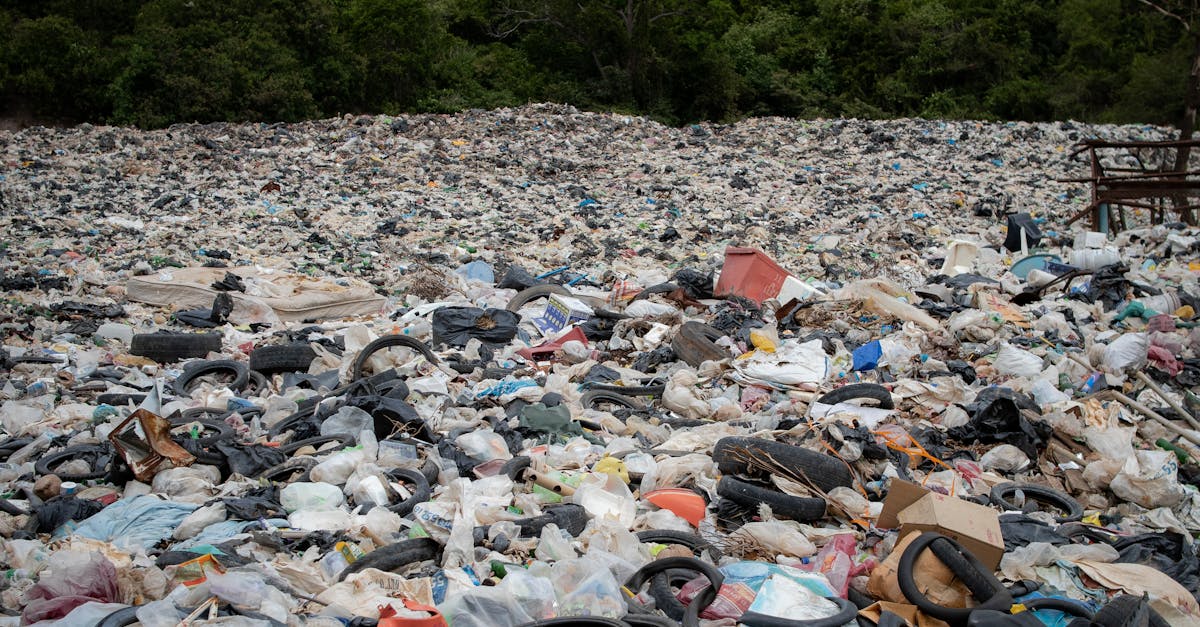
Global plastic output has climbed to more than 350 million metric tons per year in recent times, and a pivotal review of historical production and disposal showed that by 2015 only about 9% of all plastics had been recycled, roughly 12% had been burned, while the remaining 79% had built up in landfills or the natural world. This review reveals a pronounced gap between how much plastic is produced and what recycling systems can realistically retrieve. Current estimates suggest that poorly managed waste leaks between 4.8 to 12.7 million metric tons per year into the oceans, demonstrating that large amounts of plastic bypass formal recycling channels entirely.
Technical limits: materials, contamination, and downcycling
- Not all plastics are recyclable: Traditional mechanical recycling works best with relatively uncontaminated, single-polymer products such as PET bottles and HDPE containers. Complex multilayer packaging, diverse flexible films, and thermoset plastics remain difficult or practically impossible to handle effectively at scale using this approach.
- Contamination reduces value: Residual food, mixed polymers, adhesives, and color additives undermine recycling streams. When contamination levels rise, entire batches may no longer meet recycling standards and end up redirected to landfills or incineration.
- Downcycling: Each time plastics undergo mechanical recycling, their polymer integrity diminishes. As a result, recycled materials are often repurposed for lower-performance uses, such as moving from food-grade bottles into carpet fibers, delaying disposal but not creating a fully closed-loop system for high-quality applications.
- Microplastics and degradation: Exposure to environmental forces and physical wear causes plastics to fragment into microplastics. Recycling cannot reclaim material already dispersed into soil, waterways, or the atmosphere, nor can it resolve microplastic pollution that has already entered natural habitats.
- Food-contact and safety restrictions: Regulations governing recycled plastics for food packaging restrict which streams qualify, unless extensive and expensive decontamination processes are carried out.
Economic and market barriers
- Virgin plastic is often cheaper: When oil and gas prices fall, producing new plastic can become more cost‑effective than collecting, sorting, and reprocessing recycled feedstocks, which consequently reduces market interest in recycled materials.
- Limited appetite for recycled inputs: Even if high‑quality recycled resin is accessible, manufacturers might still opt for virgin polymer due to performance expectations or compliance needs unless rules mandate recycled content usage.
- Costs associated with gathering and sorting: Successful recycling relies on consistent collection systems, suitable sorting facilities, and steady commercial outlets, all of which carry fixed operational expenses that become harder to balance when waste streams are dispersed or significantly contaminated.
Infrastructure, governance, and leakage to the environment
- Uneven global waste management: Numerous nations lack sufficient collection systems, landfill oversight, and formal recycling networks, and in such settings recycling efforts cannot stop plastics from escaping into waterways and the sea.
- Trade and policy shocks: When leading waste-importing countries alter regulations—China’s 2018 “National Sword” directives being a well-known example—markets for recyclable materials may crumble abruptly, revealing the vulnerability of depending on global commodity flows for recycling.
- Informal sector dynamics: In many areas, informal waste pickers retrieve valuable materials, yet they operate without steady contracts, social safeguards, or the infrastructure investment required to scale up to manage the full waste stream.
The buzz surrounding technology and the constraints faced by chemical recycling
Chemical recycling is often described as a way to handle mixed or contaminated plastics by converting polymers back into monomers or fuel products, yet important limitations persist:
- Many chemical pathways are energy-intensive and may have high greenhouse gas emissions unless powered by low-carbon energy.
- Commercial scale and economic viability remain limited; many pilot plants have yet to prove sustained operation at scale.
- Some processes produce outputs suitable only for low-value uses or require complex cleanup to meet food-contact standards.
Chemical recycling can complement mechanical recycling for difficult streams, but it is not yet a panacea and cannot substitute for reduced consumption.
Case studies and illustrative scenarios that highlight boundaries
- China’s National Sword (2018): By sharply curbing the entry of contaminated plastic imports, China revealed how heavily global recycling had relied on shipping low-grade waste abroad. Exporting nations were suddenly left with substantial volumes of mixed plastics and few internal outlets, resulting in growing stockpiles or increased reliance on landfilling and incineration.
- Norway’s deposit-return systems: Countries operating robust deposit-return schemes (DRS) such as Norway reach exceptionally high bottle-return rates—often exceeding 90%—demonstrating how well-designed policies and incentives can deliver strong recycling outcomes for certain material streams. However, even this level of performance mainly covers beverage containers, not the far broader array of single-use packaging and long-lived plastics.
- Marine pollution hotspots: Significant flows of poorly managed waste across coastal areas in Asia, Africa, and Latin America show that gaps in recycling infrastructure and governance—rather than the absence of recycling technology—are the primary drivers of debris entering the oceans.
- Downcycling in practice: Recycled PET from bottles frequently becomes polyester fiber for non-food applications; these items have shorter lifespans and eventually return to the waste stream, underscoring the inherent limits of recycling in reducing overall material consumption.
Why relying solely on recycling cannot serve as the only strategy
- Scale mismatch: Every year, vast quantities of plastic measured in hundreds of millions of metric tons exceed what current recycling systems can realistically handle, hampered by contamination, intricate material blends, and financial constraints.
- Growth trajectory: With plastic production continuing its upward climb, even marked improvements in recycling efficiency will still leave large portions unaddressed.
- Leakage and legacy pollution: Recycling is unable to recover plastics already scattered across natural environments or halt the movement of microplastics through waterways and food chains.
- Behavioral and design issues: Ongoing reliance on disposable products and design choices that prioritize ease of use rather than longevity or recyclability keep generating waste streams that remain difficult to manage.
What should complement recycling for it to be truly effective
Recycling ought to be integrated into a wider blend of policies and a redesigned market framework that includes:
- Reduction and reuse: Prioritize eliminating unnecessary packaging, shifting toward reusable systems such as refill setups, durable containers, and coordinated return logistics, while also promoting product-as-a-service alternatives.
- Design for circularity: Refine material selection, limit polymer diversity in packaging, remove problematic additives, and develop items that can be easily disassembled and reclaimed.
- Extended Producer Responsibility (EPR): Require producers to absorb end-of-life expenses so disposal costs remain within the system and better design and collection practices are encouraged.
- Deposit-return schemes and mandates: Expand DRS coverage for beverage containers and explore incentives that foster refilling across a broader spectrum of products.
- Invest in waste infrastructure: Direct funds toward collection, sorting, and safe disposal in regions facing high leakage, while helping integrate informal workers into regulated frameworks.
- Market measures: Introduce mandatory recycled-content targets, provide subsidies or procurement benefits for recycled materials, and remove counterproductive incentives that support virgin plastics.
- Targeted bans and restrictions: Forbid or phase out problematic single-use items when viable alternatives exist and where such actions demonstrably reduce leakage.
- Transparency and measurement: Improve material monitoring, bolster traceability, and apply standardized metrics so policymakers and businesses can evaluate progress beyond simple recycling totals.
Specific measures designed for various stakeholders
- Governments: Set binding reuse and recycled-content targets, expand DRS, fund infrastructure, and implement EPR frameworks tied to design standards.
- Businesses: Redesign products for reuse and repair, reduce unnecessary packaging, commit to verified recycled content, and invest in refill or take-back models.
- Consumers: Prioritize reusable options, support policies that reduce single-use packaging, and avoid wishcycling that contaminates recycling streams.
- Investors and innovators: Finance scalable waste-management infrastructure, realistic chemical-recycling pilots with clear emissions accounting, and business models that monetize reuse.
Recycling remains essential, yet it falls short on its own, as its impact is limited by the nature of materials, market forces, practical collection challenges, and the overwhelming volume of plastic being produced and persisting in the environment. Achieving a lasting solution to plastic pollution demands a reexamination of how plastics are created, used, and valued, giving priority to reduction, reuse, better design, focused regulation, and robust infrastructure investments alongside advancements in recycling technologies. Only by integrating all these strategies can society move beyond simply handling plastic waste and instead prevent pollution while helping ecosystems recover.


