

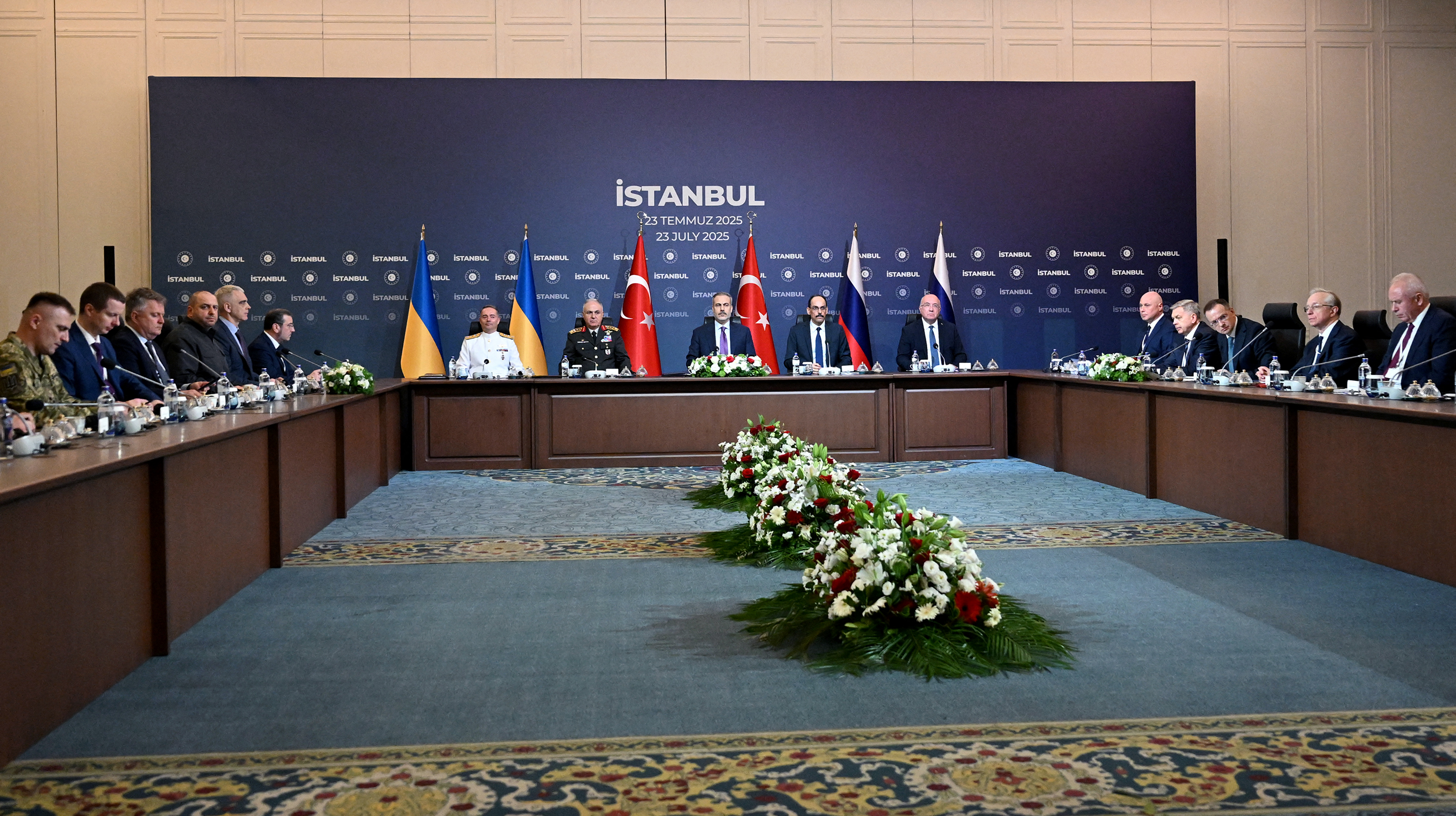
A fresh exchange of prisoners between Russia and Ukraine has been completed, offering a rare sign of cooperation between the two nations despite the broader lack of progress in formal negotiations. While the release of detainees has been welcomed by both sides, the wider talks held in Istanbul remain largely stalled, with few signs of a significant diplomatic breakthrough.
The exchange of prisoners represents one of the rare points of agreement between Moscow and Kyiv since the extensive conflict began. In this most recent swap, both nations returned multiple individuals who had been imprisoned. Such exchanges typically involve military members and sometimes civilians accused of spying or assisting adversaries. Families from both nations have shown relief and thankfulness despite the ongoing unresolved larger geopolitical issues.
Despite this cooperation, the talks in Istanbul — which have periodically served as a neutral venue for Russian and Ukrainian representatives — have yielded minimal progress on key issues such as territorial disputes, ceasefire agreements, and humanitarian corridors. Observers say that both sides remain entrenched in their positions, with Ukraine insisting on the restoration of its full territorial integrity and Russia maintaining its claims over annexed regions.
The importance of swapping prisoners must not be downplayed, particularly in a long-standing and grueling conflict that has severely impacted both military personnel and civilians. Although minor compared to the broader context of the war, these actions fulfill two roles: easing personal hardship and showcasing that some communication pathways are still available.
In recent months, the humanitarian aspect of the war has drawn increasing attention. Thousands of families across Ukraine and Russia continue to seek information about missing relatives. International humanitarian organizations have pushed both governments to expand the use of neutral mediators to facilitate future swaps and provide clarity on the fate of those still unaccounted for. The latest prisoner exchange has renewed calls for greater transparency and coordination through international bodies.
However, the broader diplomatic deadlock overshadows these humanitarian achievements. Diplomatic efforts in Istanbul have not progressed on vital matters that might result in ending the conflicts. Every meeting seems to restate stances instead of finding common ground. Certain experts suggest that these discussions function more as a means to assess the intent of the opposite party than to achieve agreement, with both Ukraine and Russia utilizing the venue to communicate with the global audience.
Kyiv has repeatedly emphasized that no agreement can be reached without addressing the return of occupied territories, particularly Crimea and regions of eastern Ukraine currently under Russian control. Moscow, meanwhile, continues to press for recognition of these territories as Russian, a demand Ukraine has categorically rejected. This deadlock has led to skepticism over the efficacy of ongoing dialogue efforts.
Turkey, which hosts the Istanbul talks, has positioned itself as a mediator seeking to foster dialogue while maintaining ties with both countries. Turkish officials have urged a de-escalation of hostilities and have been active in brokering earlier deals, such as agreements on grain exports through the Black Sea. However, even Turkey’s efforts appear limited in the face of the strategic and ideological divide between the warring parties.
In the meantime, the situation on the ground remains volatile. Fighting continues along multiple frontlines, with heavy casualties reported in contested areas. Both Russia and Ukraine are engaged in active military operations, further complicating any push toward a negotiated settlement. As each side seeks to gain leverage on the battlefield, the possibility of meaningful diplomatic progress becomes more remote.
The global community persists in encouraging a peaceful solution, with numerous nations and organizations advocating for fresh diplomatic initiatives. Yet, these appeals remain unmet by significant advancements in negotiations. Although prisoner swaps indicate a hint of collaboration, they are insufficient to tackle the fundamental issues of the conflict or create a path to peace.
Ultimately, the path forward remains uncertain. The continued exchange of prisoners may help maintain a minimal level of dialogue, but it is unlikely to break the deadlock on the more substantive issues. For now, the Istanbul talks appear to be a venue for managing the optics of diplomacy rather than driving its substance.
Until both Russia and Ukraine find a basis for compromise — or external pressures shift the dynamics — the prospects for a negotiated settlement remain dim. In the meantime, humanitarian measures like prisoner exchanges offer brief reprieves amid the enduring hardships of war, serving as reminders that even in conflict, shared humanity can occasionally override political impasse.


