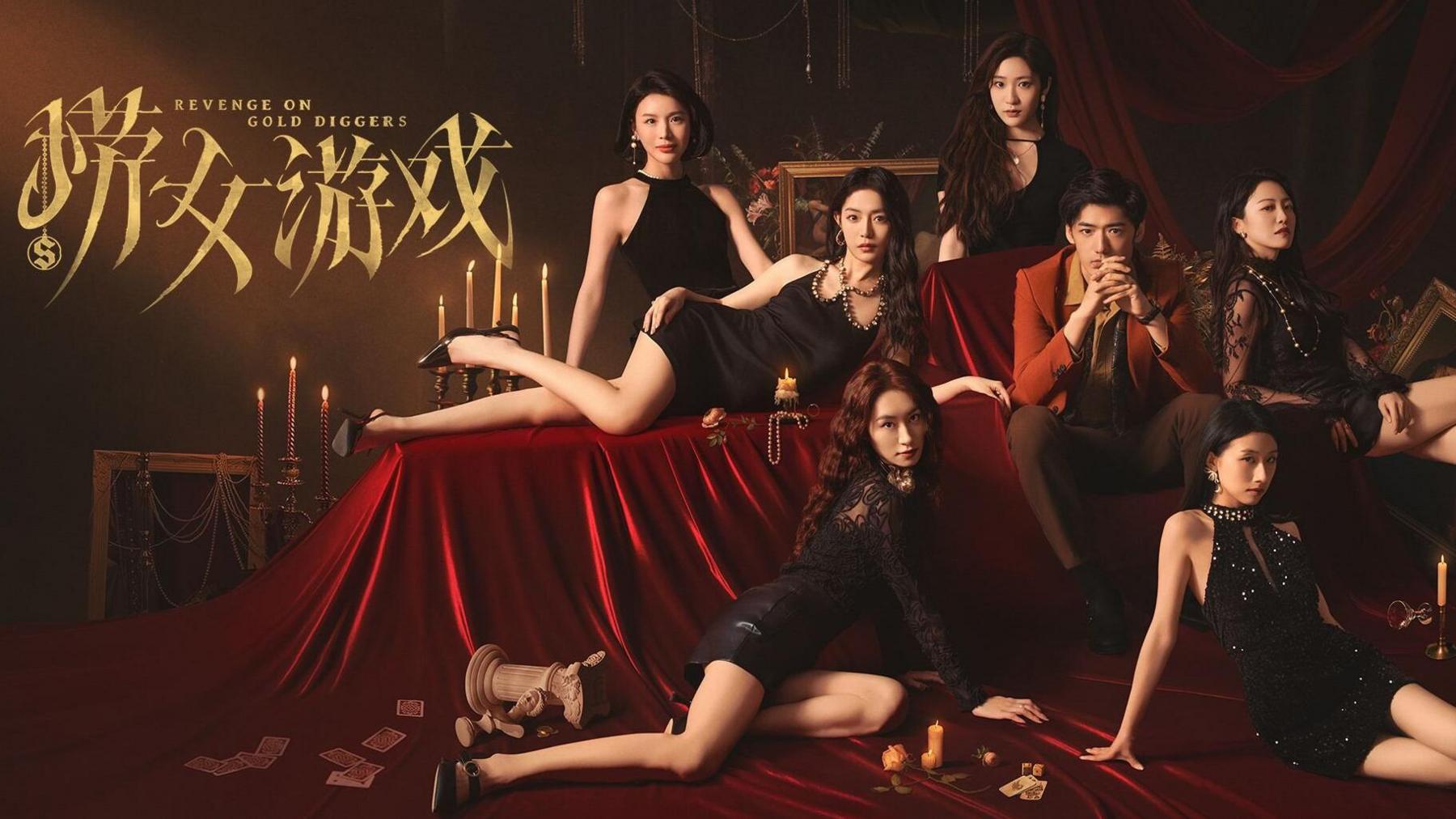
A newly launched video game in China has sparked extensive public discussion about gender stereotypes, sexism, and the depiction of women in mainstream media. The dispute revolves around a mobile game that prompts players to “uncover” so-called “gold diggers”—a phrase commonly used to label women thought to be pursuing financial benefits through romantic involvements. The game has rapidly turned into a cultural hot topic, attracting criticism from feminist organizations, social media commentators, and scholars who assert that it reinforces damaging gender prejudices in a society where issues of gender equality are gaining significant attention.
The central idea of the game is uncomplicated yet intriguing. Participants take on the persona of a detective whose job is to identify women accused of being in relationships with men for financial gain instead of true feelings. Through different situations within the game, participants collect “proof” to decide if the female characters have hidden agendas in their romantic interactions. The more “gold diggers” the participants uncover, the better their score becomes.
Since the game launched, it has seen a vast number of downloads, especially popular among younger generations. It has also initiated vibrant online debates, with game-related hashtags becoming trending topics on Chinese social media sites like Weibo and Douyin. Enthusiasts of the game claim it provides a fun experience and a comedic perspective on a social phenomenon prevalent in both Eastern and Western societies. On the other hand, detractors argue that it emphasizes harmful stereotypes about women, portraying them as exaggerated figures and promoting the notion that interactions between women and men are chiefly transactional.
At the heart of the controversy is a broader conversation about gender roles in modern Chinese society. As China’s economy has grown and social norms have evolved, traditional expectations about marriage, career, and family life have shifted dramatically. Young women today are more likely to pursue higher education, seek professional success, and assert independence. These social changes have sometimes clashed with older or more conservative viewpoints, leading to tension around the roles women are expected to play.
Feminist voices in China have been particularly vocal in their condemnation of the game’s underlying message. They argue that it trivializes women’s agency and perpetuates the harmful notion that women who seek financial security in relationships are inherently manipulative or untrustworthy. Some critics have drawn parallels between the game’s portrayal of women and long-standing misogynistic tropes found in both traditional and modern media.
The issue is further complicated by the social realities many women face in China. Economic pressures, rising costs of living, and persistent gender inequality in the workplace continue to influence women’s choices and opportunities. In some cases, women may prioritize financial stability in their relationships not out of greed but as a rational response to systemic barriers. By framing women as opportunists without acknowledging these structural factors, the game, critics say, reinforces sexist attitudes and undermines efforts toward greater gender equity.
Scholars in the field of gender studies have shared their insights, highlighting that mainstream media, such as video games, significantly influences public perceptions and cultural norms. When games like this gain popularity, they aid in normalizing specific attitudes towards women, potentially affecting people’s views on real-life relationships. Researchers caution that unaddressed sexist messages may lead to the continuation of gender-based discrimination, both on the internet and offline.
The controversy regarding the game arises at a moment when discussions about women’s rights and gender equality are growing in importance in China, despite significant obstacles. Recent years have witnessed an increase in feminist movements, focusing on issues such as sexual harassment, domestic violence, and discrimination at work. Although strides have been achieved, feminist advocates frequently encounter censorship, cyber harassment, and legal constraints that restrict their efforts.
In this context, the popularity of a game that appears to ridicule women’s motives in relationships is seen by many as a setback. It reflects the persistence of deeply ingrained patriarchal values and highlights the difficulties of advancing gender equality in a society where traditional gender norms still hold sway.
Los creadores del juego han defendido su obra, afirmando que está diseñada como sátira y no como un comentario social serio. Argumentan que el juego ridiculiza a ambos géneros al retratar también a personajes masculinos que caen víctimas de manipulaciones. No obstante, los críticos señalan que el objetivo principal sigue siendo exponer a las mujeres como figuras engañosas, lo que refuerza el desequilibrio existente en las representaciones de género.
The debate has once again sparked conversations around the governance of digital content in China. Although Chinese officials have previously blocked or limited video games due to portrayals of violence, betting, or content sensitive to politics, the rules regarding gender depiction remain varied. Certain experts propose that more robust content standards could aid in reducing the dissemination of media that perpetuates harmful stereotypes.
Simultaneously, the discussion surrounding the game mirrors wider international discussions about sexism in the gaming world. Globally, the video game sector has frequently faced criticism regarding its depiction of women, both in character aesthetics and narrative themes. From overly sexualized female figures to the lack of women in leadership positions within gaming firms, gender-related challenges continue to be a significant issue.
In China, the rise of mobile gaming has created a massive industry with hundreds of millions of players. As games become an increasingly central form of entertainment and social interaction, the messages they convey carry significant cultural weight. This makes the current controversy not just about a single game, but about the values and narratives that are being disseminated through one of the most powerful mediums of the digital age.
Certain members of the Chinese gaming community are advocating for a broader range of inclusive content, encouraging developers to move past traditional stereotypes and craft games that portray the intricacies of today’s society. These supporters contend that video games, being an art form and method of storytelling, hold the capability to question societal norms, foster empathy, and drive beneficial social transformation.
Others, however, defend the right of creators to explore controversial themes, suggesting that attempts to police content could stifle artistic freedom. This tension between creative expression and social responsibility is not unique to China and mirrors debates taking place in gaming communities around the world.
For many observers, the key issue is the need for greater awareness and dialogue. Rather than banning or censoring controversial content outright, fostering open discussions about the impact of media on gender perceptions may be a more effective way to promote understanding and change. Encouraging game developers to work with diverse teams and consult with experts on gender representation could also lead to more balanced and thoughtful content.
Ultimately, the controversy over this video game serves as a microcosm of larger societal debates about gender, equality, and cultural values in China. It underscores the power of popular media to shape attitudes and behaviors, and the importance of continuing to question and challenge stereotypes that limit progress toward a more inclusive society.
As China’s social landscape continues to evolve, it is likely that such debates will become more frequent and more visible. The intersection of entertainment, technology, and social values will remain a dynamic and sometimes contentious space, with video games serving as both a mirror and a catalyst for change. How society chooses to respond to these cultural touchpoints will play a crucial role in determining the direction of gender equality in the years ahead.