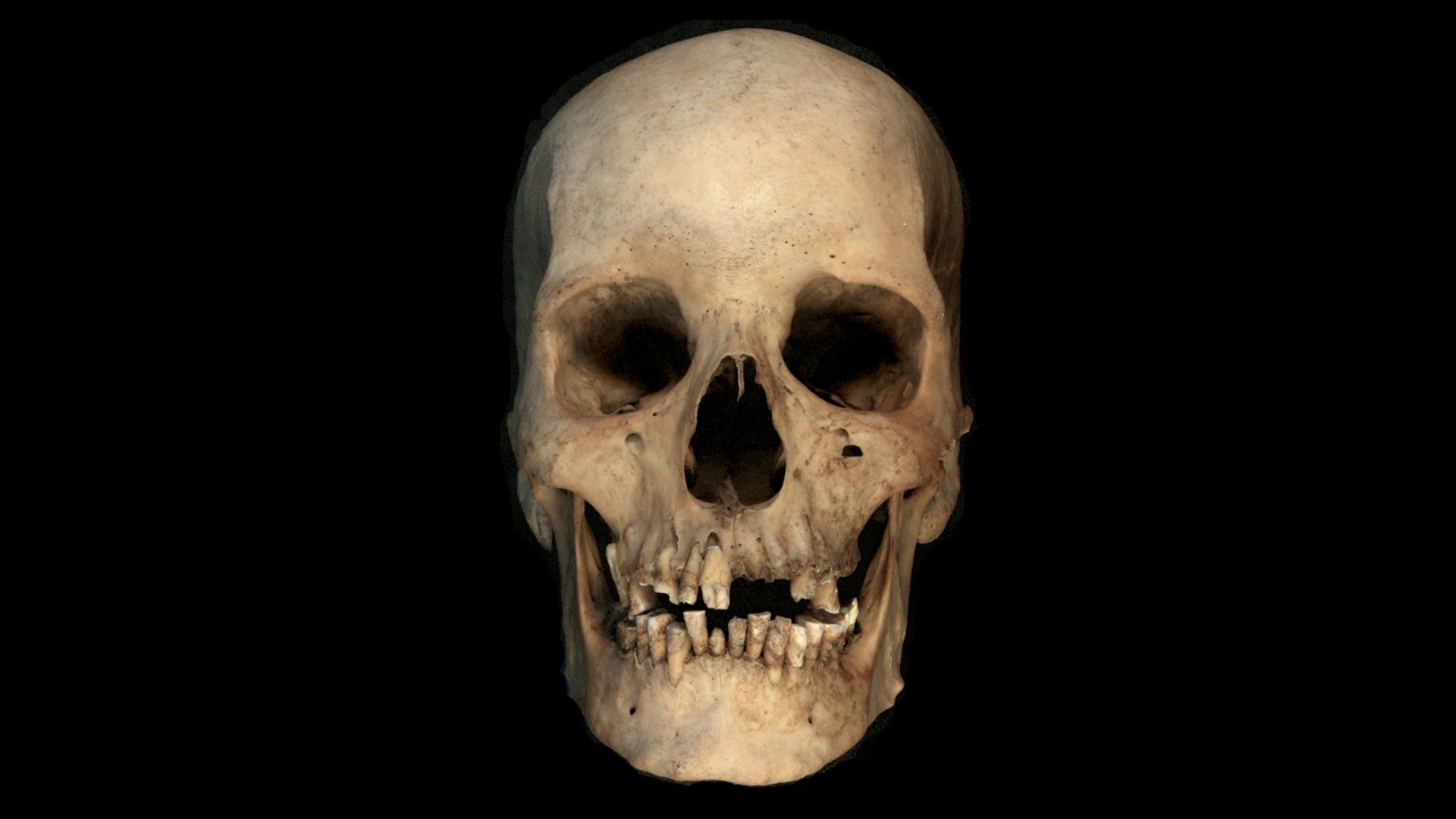
Recent progress in genetic testing is providing new opportunities for historians and archaeologists who aim to unlock the secrets of ancient societies. In a noteworthy scientific breakthrough, the latest DNA examination of ancient Egyptian skeletal remains could lead to a re-evaluation of established stories regarding the area’s history, presenting perspectives that might alter our comprehension of one of the world’s most legendary civilizations.
For decades, knowledge about ancient Egypt has largely depended on archaeological finds, inscriptions, and written records. While these traditional sources have provided valuable information about dynasties, religious practices, and daily life along the Nile, they have also left many questions unanswered—particularly when it comes to the population’s genetic origins and how they evolved over centuries.
Currently, researchers are looking at DNA from old bones to address some of these unknowns. An increasing number of study groups are employing cutting-edge genomic technology to examine the remains of people who inhabited Egypt millennia ago. These techniques, which were previously seen as too fragile for Egypt’s warm and dry climate, have become more dependable due to advancements in genetic preservation and sequencing.
Recent studies have focused on mummified remains and skeletal fragments recovered from burial sites that span various periods of Egyptian history—from the Old Kingdom through the Greco-Roman era. By examining genetic markers in these samples, researchers are able to map population changes, migration patterns, and potential interconnections with other regions in Africa, the Mediterranean, and the Near East.
Initial discoveries indicate that the genetic makeup of ancient Egyptians might have been more varied than formerly thought. Earlier research often focused on the view of Egypt as a somewhat secluded civilization, but current genetic information reveals that the area probably served as an active intersection, shaped by various adjacent groups. This highlights Egypt’s historic role as a center for commerce, diplomacy, and conquest, linking Africa with Asia and Europe.
One of the most revolutionary elements of this study is its ability to shed light on the genetic connections among various dynasties and governing classes. For a long time, certain theories have pondered whether transitions in authority—like those in the time of the Hyksos or the era of the Ptolemaic rulers—were associated with major population shifts. DNA research might now assist in confirming these ideas by determining if new ruling groups were genetically different from those they succeeded or if they belonged to an ongoing population lineage.
In addition, genetic research could shed light on health and disease in ancient Egypt. By studying inherited conditions or identifying pathogens in ancient DNA, scientists are learning more about how people in the region lived, what illnesses they suffered from, and how their environments may have influenced genetic adaptations over time. This adds a new layer of understanding to the social and medical history of the ancient world.
However, these findings are not free from debate. Analyzing ancient DNA—especially in a region as politically and culturally delicate as Egypt—leads to intricate discussions about identity, ancestry, and historical interpretation. Some skeptics warn about relying solely on genetic information, pointing out that cultural connections cannot be completely understood through biological data alone. Researchers highlight the importance of a multidisciplinary strategy that integrates genetics with artifacts, historical documents, and language studies.
Moreover, the ethics of DNA sampling in archaeology are a subject of ongoing debate. Concerns about the treatment of human remains, consent from descendant communities, and the potential misuse of genetic findings highlight the importance of conducting this research with cultural sensitivity and transparency.
Despite these difficulties, the potential unlocked by DNA analysis is extensive. Fresh insights might shed light on the beginnings of certain cultural customs, like funerary rituals or building styles, by associating them with distinct communities. It might also reveal the degree of external impact across various periods, offering proof to either validate or question long-standing beliefs.
Some scholars think that as additional genetic material is accessible for study, we might soon track the progression of ancient Egyptian society in ways never seen before. This involves examining how alterations in the environment, such as changes in the flooding patterns of the Nile, could have affected the health and migration of populations, or how outbreaks of disease might have driven social changes.
Within a larger framework, this study also aids in developing a more subtle comprehension of human history in its entirety. The ancient civilization of Egypt has often been idealized and examined separately, yet genetic discoveries remind us that no culture emerges independently. On the contrary, civilizations are continuously molded by population movement, the exchange of concepts, and the fusion of varied influences throughout history.
As this area of study progresses, it’s likely that more institutions will begin integrating genetic research into their archaeological and historical frameworks. Museums, universities, and research centers are already collaborating across disciplines and borders to ensure that findings are interpreted responsibly and disseminated widely.
Ultimately, the application of DNA technology to ancient Egyptian remains represents a turning point in the study of early civilizations. It challenges researchers to reconsider established narratives, deepens our understanding of human complexity, and reaffirms the value of combining science with the humanities. While the past may never speak in one definitive voice, each new discovery brings us closer to understanding the full story—one that includes not just monuments and mummies, but the very biology of the people who lived it.