Amidst the escalating discussion surrounding pharmaceutical costs in the United States, two distinct methodologies have surfaced: one grounded in political compromise and the other in systematic governmental regulation. With the spotlight now on the impending Medicare drug price discussions, the inherent conflict between immediate accords and enduring systemic change is becoming progressively apparent.
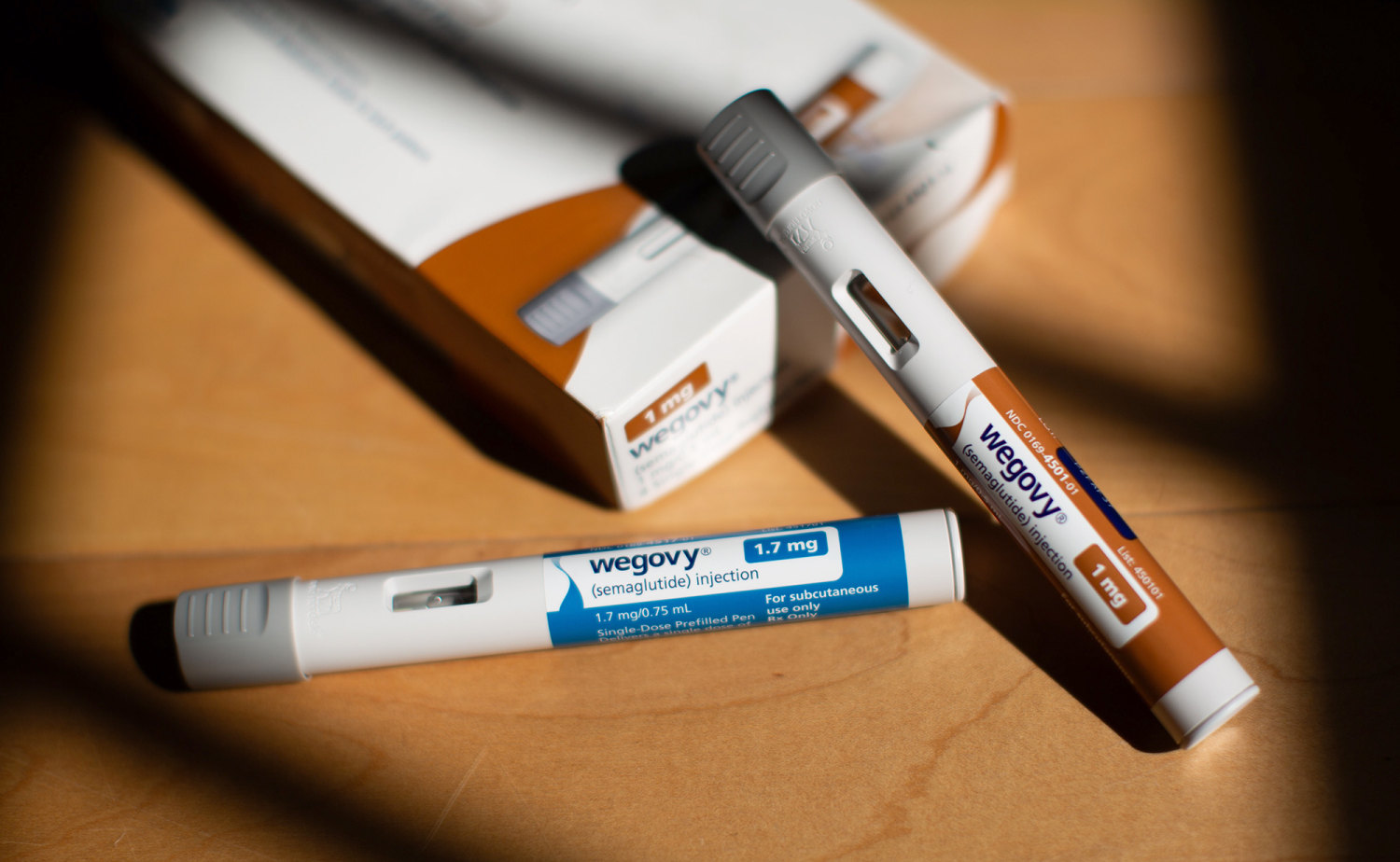
Donald Trump, the former president, has recently drawn attention to a series of new agreements with pharmaceutical firms, designed to lower the prices of widely used weight loss and diabetes drugs, including Wegovy and Zepbound. He asserts that these voluntary arrangements will enhance the availability of these treatments for American citizens. Nevertheless, despite the considerable media coverage these announcements have garnered, Trump has largely remained silent regarding a government initiative anticipated to have a much wider and more enduring effect — the Medicare drug price negotiation scheme, established through President Joe Biden’s Inflation Reduction Act of 2022.
The program grants Medicare the power to negotiate directly with drug manufacturers on some of the country’s most expensive medications, aiming to bring sustainable relief to millions of older adults. According to the Centers for Medicare and Medicaid Services (CMS), the second round of negotiated prices is set to be released by the end of November, covering 15 prescription drugs — including Ozempic and Wegovy — compared with 10 in the previous cycle. Although the new rates will not take effect until 2027, experts believe this process represents one of the most consequential steps toward lowering drug costs in U.S. history.
Competing visions for drug price reform
The contrast between Trump’s approach and the structured Medicare negotiation process has drawn attention from health policy experts. Trump’s strategy leans heavily on executive actions and voluntary deals with pharmaceutical companies rather than on legislative frameworks. His administration recently reached agreements with Novo Nordisk and Eli Lilly, the companies behind Wegovy and Zepbound, to reduce prices on certain doses. In exchange, the deals reportedly include tariff relief and faster Food and Drug Administration (FDA) review for new drugs — though details remain vague.
Critics argue that such arrangements may provide short-term political victories rather than long-lasting solutions. “These ad hoc negotiations appear to prioritize public announcements over systemic change,” said Dr. Benjamin Rome, a health policy researcher at Harvard Medical School. Rome emphasized that while lowering drug prices through executive action might offer immediate visibility, it lacks the predictability and accountability built into the Medicare negotiation framework.
The voluntary agreements, though possibly advantageous for certain medications, also provoke concerns regarding openness and uniformity. In the absence of explicit supervision or official cost-management frameworks, specialists are still unsure if these will result in substantial financial relief for patients. Conversely, the Medicare negotiation initiative establishes a lawful and replicable procedure designed to progressively reduce expenses for an expanding catalog of pharmaceuticals.
The significance of Medicare’s negotiation authority
The Inflation Reduction Act marked a historic shift by giving Medicare — the nation’s largest buyer of prescription drugs — the authority to bargain directly with manufacturers. Before its passage, the federal government was barred from negotiating prices, leaving pharmaceutical companies free to set rates largely unchecked.
The first round of negotiations, announced in 2024, targeted ten high-cost drugs, including the blood thinner Eliquis and several treatments for cancer and diabetes. These initial agreements, set to take effect in 2026, were projected to save Medicare enrollees around $1.5 billion in out-of-pocket expenses in their first year alone. The second round, now underway, is expected to have an even broader impact as it incorporates medications that have seen exponential growth in demand, such as the GLP-1 class used for diabetes and weight loss.
The Congressional Budget Office (CBO) projects a significant decrease in the negotiated costs of Ozempic and Wegovy by 2027, leading to an approximate one-third reduction in Medicare’s per-patient expenditure for these medications. This trend is expected to compel rival drugs, such as Mounjaro and Zepbound, to lower their prices, thereby increasing overall market savings.
For specialists such as Stacie Dusetzina, a health policy academic at Vanderbilt University, these occurrences demonstrate how structured discussions can instigate genuine market shifts. “We are all anticipating the formal announcement of the updated prices,” she stated. “It’s quite conceivable that the expectation of these discussions has already impacted other pricing choices.”
Political Discourses and Financial Circumstances
Despite the program’s potential, Trump’s administration has remained largely silent about it. The White House instead continues to highlight its voluntary agreements with pharmaceutical companies as evidence of its commitment to lowering costs. In a written statement, spokesperson Kush Desai argued that while Democrats “touted the Inflation Reduction Act,” it ultimately “increased Medicare premiums,” claiming that Trump’s direct engagement with drugmakers is producing “historic” results.
Health policy experts, however, advise against dismissing the Medicare negotiation process as ineffective. They point out that while voluntary agreements might attract notice, they cannot substitute for structured policy changes enshrined in legislation. “The Inflation Reduction Act’s negotiation initiative is not only operational but also growing,” stated Tricia Neuman, executive director of the Medicare policy program at KFF. “It’s intended to reduce the cost of many more medications over time.”
Experts also point out that pharmaceutical companies face strong incentives to cooperate with Medicare. Refusing to participate in negotiations could mean losing access to one of the largest and most lucrative prescription markets in the world — a move few drugmakers are willing to risk. Several companies have challenged the negotiation authority in court, but none have succeeded in halting the process.
Rome reaffirmed that the negotiation structure put in place by CMS is intentional and robust. “This procedure has been meticulously designed and will persist annually,” he stated. “It’s improbable that separate agreements, even with prominent manufacturers, would undermine it.”
A more extensive influence on the cost-effectiveness of healthcare
The debate over how best to reduce drug costs reflects a deeper question about the future of healthcare policy in the United States. One in five adults report skipping prescriptions because of cost, according to KFF data — a stark indicator of the financial burden facing millions of Americans. For older adults on fixed incomes, the difference between a one-time discount and a permanent price reduction could determine whether they can consistently access their medication.
By institutionalizing negotiations through Medicare, the Inflation Reduction Act seeks to create a predictable framework that steadily expands over time. Each new round adds more drugs to the list, gradually reshaping the economics of the pharmaceutical market. If successful, it could establish a long-term model for balancing innovation, affordability, and accountability.
Meanwhile, Trump’s ad hoc agreements underscore the challenges of balancing politics with policy. Voluntary deals may deliver quick headlines and selective savings, but without systemic oversight, their long-term benefits remain uncertain. Experts warn that relying solely on private agreements could leave gaps in affordability and undermine efforts to establish consistent nationwide standards for pricing.
As the country anticipates CMS’s announcement of the recently negotiated prices later this month, the distinction between these two methodologies has become exceptionally pronounced. One perspective, exemplified by Trump’s strategy, centers on negotiation via leverage, highlighting promptness and public awareness. Conversely, the Medicare initiative functions through statutory frameworks and established authority, valuing consistency and equity above rapid outcomes.
The outcome of these approaches may shape the future of prescription drug policy for years to come. For millions of Americans struggling with rising medication costs, the stakes could not be higher.
Ultimately, both approaches embody contrasting viewpoints on the management of governance and market dynamics. Although informal agreements might provide immediate respite, formalized negotiations hold the potential for a more lasting impact — a fundamental change in how the nation perceives health, equity, and responsibility within its core frameworks.