

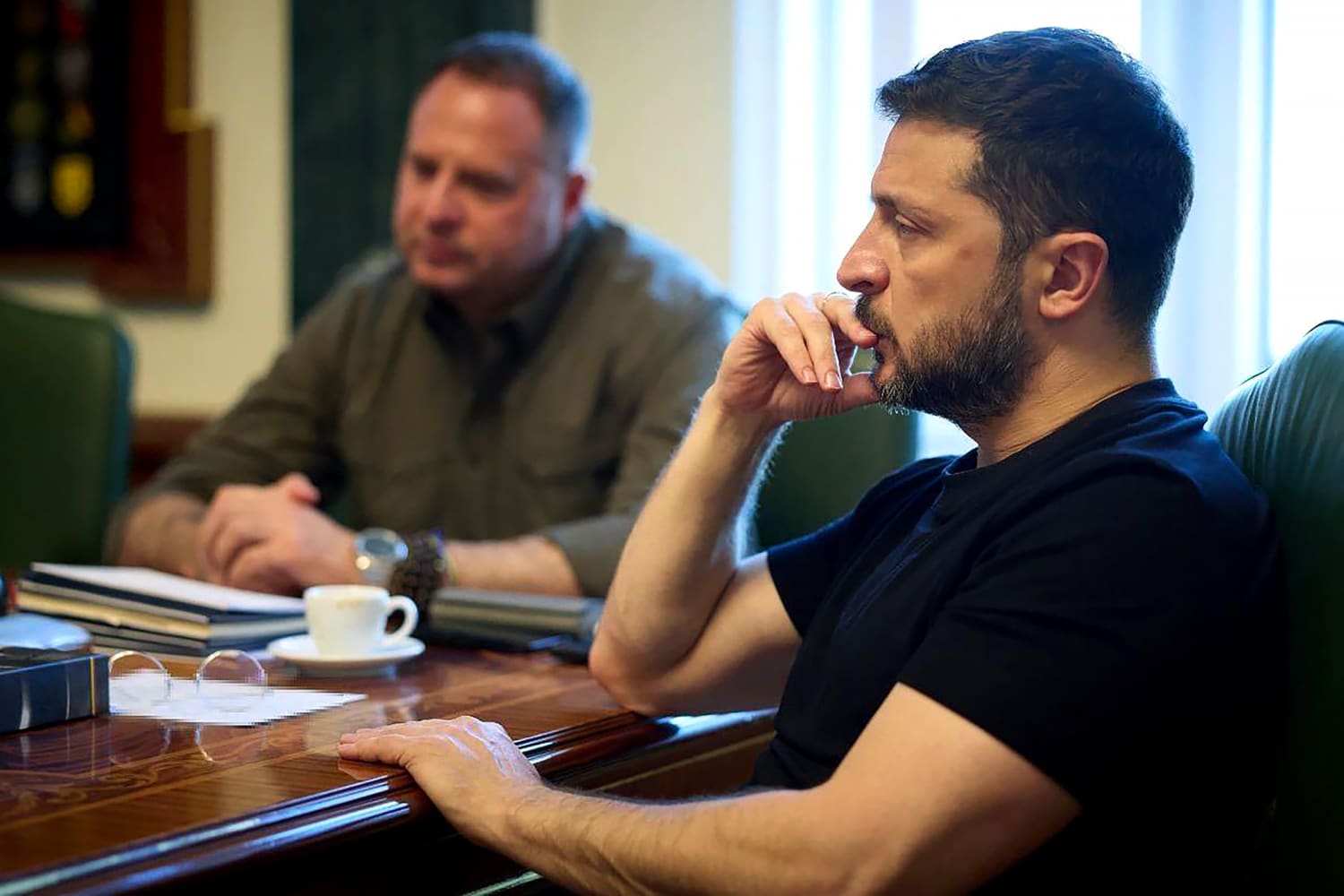
In a period marked by extraordinary resilience and collective struggle, Ukraine is now facing a growing wave of internal dissent that could challenge the fragile unity forged during wartime. At the center of this unrest is President Volodymyr Zelenskyy, whose leadership—once hailed as a unifying force in the face of foreign aggression—is now drawing criticism from various corners of Ukrainian society.
Public frustration is becoming more vocal, particularly as the war drags on without a clear end in sight. Economic hardship, fatigue from prolonged conflict, and rising concerns about government decisions are beginning to shift the tone of political discourse within the country. While Zelenskyy remains a symbol of Ukraine’s resistance on the global stage, at home, disillusionment is growing.
One of the key points of contention stems from perceptions of transparency and governance. As military operations continue, citizens and civic leaders alike are demanding clearer communication, more inclusive decision-making, and better accountability from those in power. Questions are being raised not only about military strategy, but also about domestic issues such as corruption, economic management, and the treatment of conscription and military service.
Zelenskyy’s administration, initially celebrated for its swift mobilization and strong messaging in the early stages of the conflict, now faces a more critical public. Some citizens feel their voices are being overlooked in favor of centralized authority, and frustrations are boiling over in local protests, online forums, and independent media platforms.
Among the younger generation and civic activists, there is a growing sense that the current leadership must evolve to meet the new phase of the war. As Ukraine shifts from immediate survival to long-term resistance and recovery, expectations for transparency, shared sacrifice, and democratic process have risen. Calls for reforms that were once postponed in the name of national security are now returning to the forefront of public debate.
This internal strain presents a complex challenge. On one hand, national unity remains essential for the country’s ability to resist external aggression. On the other hand, open societies naturally produce diverse viewpoints, especially in times of crisis. The tension between these two realities is playing out in real time across Ukraine’s political and social landscape.
Críticos afirman que la administración no ha hecho lo suficiente para repartir equitativamente las cargas de la guerra. Informes sobre la aplicación desigual del servicio militar, el supuesto favoritismo y el escaso apoyo a los soldados heridos y las familias desplazadas han alimentado el resentimiento. Para muchos, los sacrificios realizados en el frente deben ser correspondidos con auténtica solidaridad y justicia en todos los niveles de la sociedad.
Economic pressures are also intensifying public anxiety. With inflation, unemployment, and infrastructure challenges straining everyday life, the population is looking to its leaders for answers. Aid from foreign partners has provided critical support, but questions persist about long-term economic stability and how resources are being managed internally.
Additionally, the emotional and psychological toll of living under constant threat cannot be overstated. Families separated by war, cities scarred by bombardment, and communities grappling with loss are also navigating political uncertainty at home. This complex web of challenges is redefining the relationship between the public and those in power.
Even in the face of growing criticism, it’s crucial to recognize that President Zelenskyy still enjoys considerable backing, especially for his efforts in bringing together Ukraine’s global partners and keeping the world’s focus on the conflict. His skill in advocating for Ukraine internationally has secured essential military and financial aid, despite the rising challenges at home.
Nonetheless, Ukraine’s leaders during the war are now challenged with finding a balance between international relations and domestic changes. Handling the demands of war management while upholding democratic credibility and the confidence of the populace necessitates ongoing adjustments. As the voices of civil society increase in strength, the government needs to adjust in a manner that maintains unity while allowing for differences of opinion.
What lies ahead for Ukraine will depend not only on the outcome of its military efforts, but also on its ability to maintain social and political resilience from within. If the government can respond constructively to the criticism—by engaging with civil society, upholding transparency, and distributing responsibility fairly—it may yet strengthen the very unity that is being tested.
Moments of internal reckoning, while uncomfortable, can also serve as opportunities for renewal. Ukraine’s ongoing fight for sovereignty is not just about territory or defense—it is also about the kind of nation it seeks to become. Listening to its people, even amid disagreement, could be one of the most powerful ways to reinforce that vision.


