The United States is witnessing a concerning resurgence of measles, a disease once declared eliminated in the country over two decades ago. Health experts and public officials are raising alarms as the number of reported cases reaches the highest level since the year 2000, when measles was officially declared eradicated from the nation due to successful vaccination efforts.
The worrisome rise indicates larger public health issues, such as decreasing vaccination rates in specific areas, the dissemination of false information, and the intricate aspects of global travel. Although the United States still upholds a high overall level of immunization, groups of unvaccinated individuals have caused weaknesses that permit measles to establish a presence again.
Measles, a highly contagious viral infection, is transmitted through airborne respiratory particles when someone infected coughs or sneezes. It is so infectious that if a person has measles, approximately 90% of nearby people who have not been immunized will contract it too. The illness usually starts with symptoms like fever, coughing, a runny nose, and red eyes, progressing to a characteristic rash that spreads throughout the body. Although many recover without issues, measles can lead to severe consequences such as pneumonia, inflammation of the brain (encephalitis), and even death, especially in young children and individuals with weakened immune systems.
The latest increase in incidents has been primarily associated with travelers from abroad bringing the virus into the nation and communities where vaccination rates have fallen below the level needed for herd immunity. In the United States, the measles, mumps, and rubella (MMR) vaccine has played a fundamental role in public health, significantly lowering the frequency of these diseases. Yet, when immunization rates fall below around 95%, the population becomes vulnerable to outbreaks.
Specialists highlight reluctance towards vaccination as a major element driving the present increase in measles outbreaks. This reluctance arises from various origins, such as false information circulating on social networks, a lack of trust in healthcare organizations, and personal or religious opposition to immunization. The outcomes of these choices are manifesting as heightened spread of the disease, threatening not just the individuals opting out of vaccination, but also those unable to get vaccinated due to valid medical conditions.
Compounding the issue is the impact of the COVID-19 pandemic, which disrupted routine childhood immunization schedules around the world. Lockdowns, healthcare access challenges, and public reluctance to visit medical facilities led to missed vaccinations for many children. As societies reopened and international travel resumed, these immunity gaps provided opportunities for highly contagious diseases like measles to resurface.
Centers for Disease Control and Prevention (CDC) along with various public health organizations are highlighting the critical need to address these immunization deficiencies. They emphasize that measles is not a harmless disease—it can result in serious, life-threatening complications. The rise in occurrences underscores the significance of sustaining strong vaccination initiatives, even in nations where specific illnesses have been eradicated in the past.
Another contributing factor to the rise in measles is the global dimension of the disease. Measles continues to circulate in other parts of the world, including regions in Europe, Asia, and Africa, where vaccination coverage is inconsistent. International travel facilitates the introduction of the virus into the U.S., where under-vaccinated communities can fuel its spread. The World Health Organization (WHO) has also reported significant global increases in measles cases, signaling that this is not solely a domestic issue but part of a wider global health challenge.
The effects of measles outbreaks extend beyond just the health impact on those who become ill. These outbreaks put a strain on public health resources, as authorities must undertake extensive contact tracing, offer emergency vaccinations, and handle public communications to halt the spread. The financial expenses of controlling even a minor measles outbreak can amount to hundreds of thousands of dollars, adding extra pressure to already overburdened healthcare systems.
Furthermore, measles outbreaks undermine public confidence in disease control and vaccination programs. They create fear and confusion, which can exacerbate existing hesitancy and misinformation. Public health professionals emphasize that clear, transparent communication and education are vital tools in rebuilding trust and reinforcing the importance of immunization.
The current situation also highlights disparities in access to healthcare and vaccination services. In some communities, logistical barriers such as transportation, language access, and healthcare availability contribute to lower vaccination rates. Addressing these systemic challenges is essential for ensuring that every child and adult has the opportunity to receive life-saving immunizations.
Public health agencies are now stepping up efforts to combat vaccine hesitancy by partnering with community leaders, schools, healthcare providers, and faith-based organizations. By tailoring outreach to the unique cultural and social dynamics of different communities, health officials hope to increase vaccine acceptance and coverage. These grassroots efforts, combined with policy initiatives such as school vaccination requirements, play a crucial role in preventing the spread of measles.
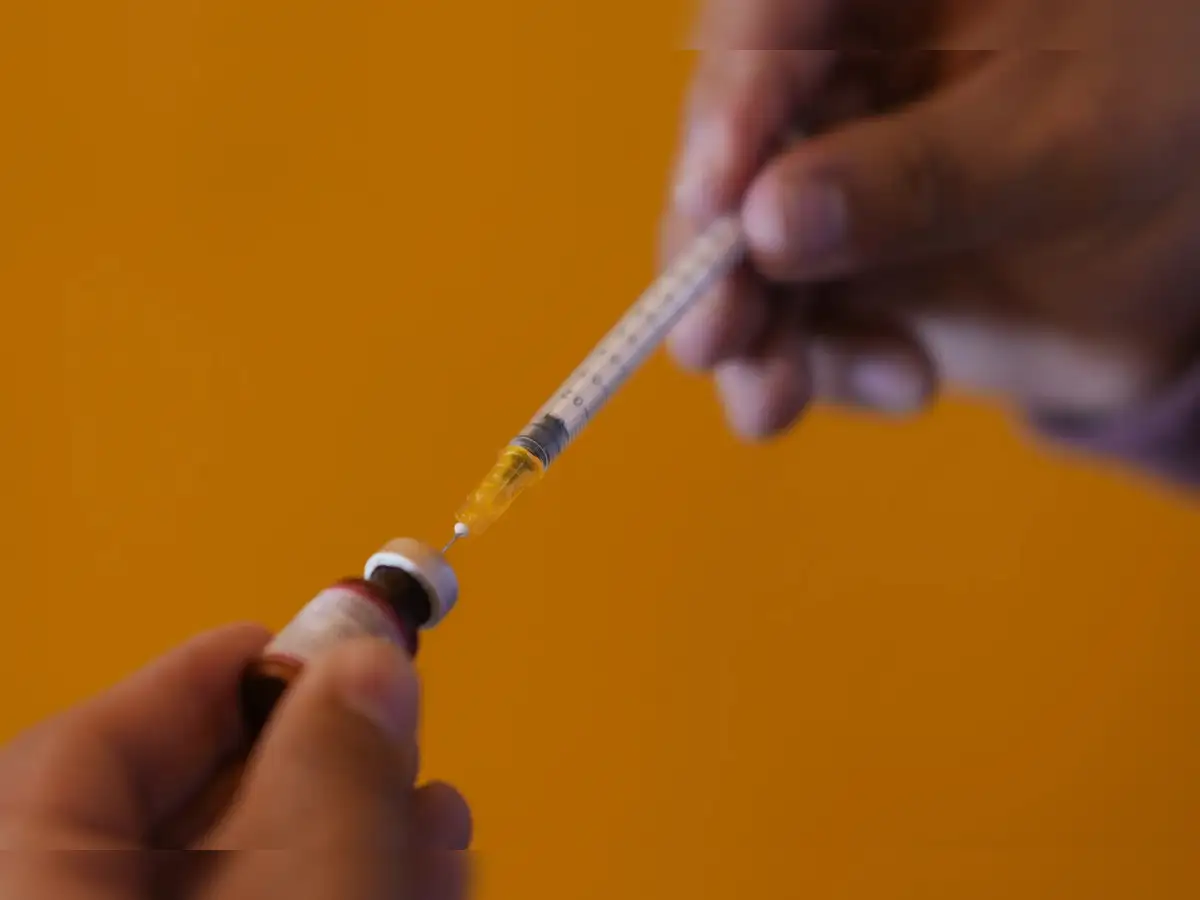
It is important to note that the MMR vaccine is highly effective. Two doses provide about 97% protection against measles, and side effects are typically mild, such as soreness at the injection site or a low-grade fever. The safety profile of the vaccine has been confirmed through decades of research and monitoring, making it one of the most successful public health interventions in modern history.
In addition to vaccination, public awareness about the symptoms and transmission of measles is key to early detection and containment. Healthcare providers are being urged to remain vigilant and to consider measles as a potential diagnosis in patients presenting with compatible symptoms, particularly if they have a history of international travel or exposure to known outbreaks.
Looking forward, experts stress that preventing future outbreaks requires sustained commitment. This includes ensuring that vaccination policies remain strong, public education campaigns are continuous, and healthcare systems are prepared to respond swiftly to any emerging cases. The COVID-19 pandemic demonstrated how quickly infectious diseases can disrupt societies, and the resurgence of measles serves as a reminder that hard-won public health victories must be actively maintained.
The wide-ranging effects of the present increase reach further than just measles. It highlights the delicate state of herd immunity and the risks of becoming complacent. Illnesses once deemed to be outdated can quickly make a comeback when preventive practices weaken. Keeping vaccination levels high is crucial not only for controlling measles but also for other diseases preventable by vaccines that could come back if alertness diminishes.
As the United States navigates this renewed challenge, cooperation between federal agencies, state health departments, medical professionals, and community organizations will be paramount. Success will depend on a shared understanding that immunization is not just an individual choice but a collective responsibility that protects the most vulnerable members of society.
For families, this is a chance to review vaccination records and confirm that both kids and grown-ups are current with advised immunizations. In a globally connected environment where viruses transcend borders, taking individual steps to prevent disease transmission remains one of the most efficient methods to protect public well-being.
In conclusion, the resurgence of measles in the United States after decades of control is a call to action. It reflects gaps in vaccination coverage, the impact of misinformation, and the need for renewed public health focus. Through education, policy, and community engagement, it is possible to reverse this trend and reaffirm the nation’s commitment to disease prevention and child health.