
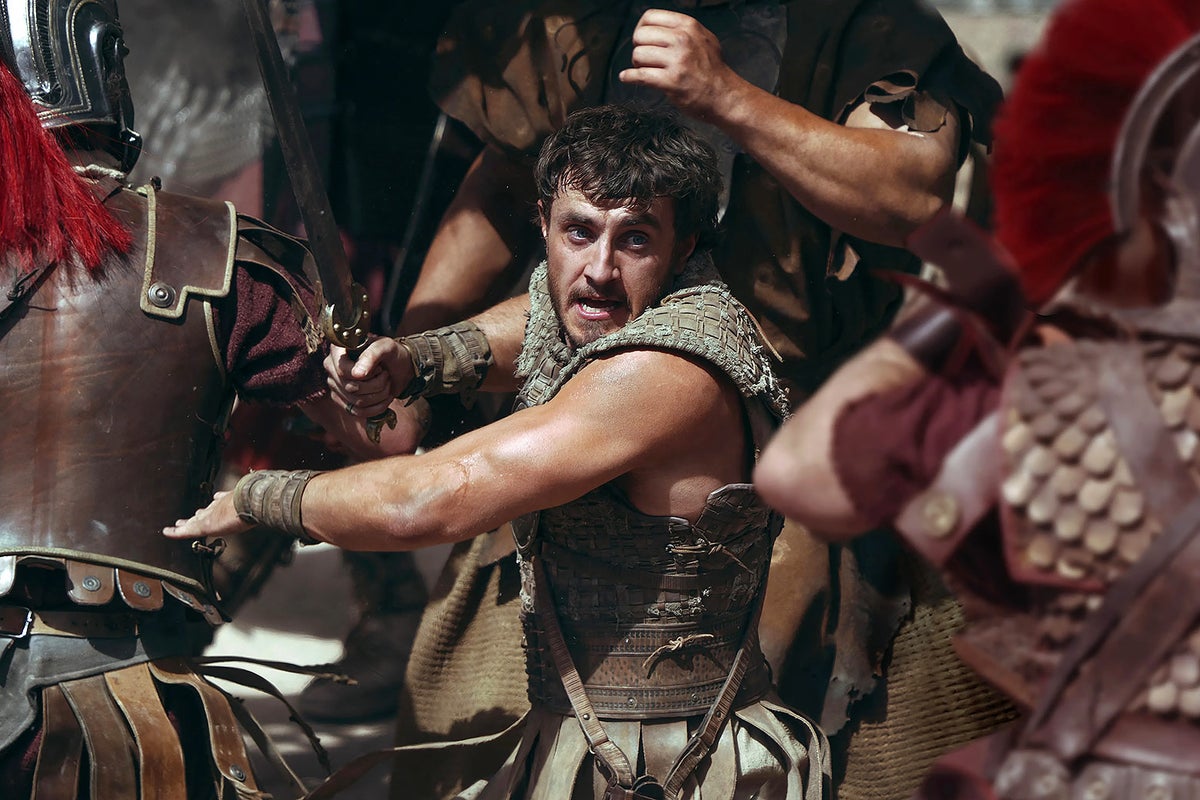
When Ridley Scott’s Gladiator debuted in 2000, it sparked a profound shift in how historical cinema was approached. Beyond merely rekindling fascination with ancient epics, the film fundamentally altered production methodologies, storytelling frameworks, and what viewers anticipated from historical representations in cinema. To grasp its impact requires exploring the circumstances surrounding its premiere, the sophistication of its production design, the decisions made in crafting its story, and the enduring influence it exerted on creators and viewers alike.
Reviving the Sword-and-Sandal Genre
Gladiator arrived at a moment when historical epics set in antiquity—commonly known as “sword-and-sandal” films—had largely disappeared from cinema. The industry’s earlier enthusiasm for lavish productions such as Ben-Hur (1959) and Spartacus (1960) had diminished throughout the 1970s, giving way to contemporary narratives and technology-driven science fiction offerings. Scott’s production succeeded in reviving considerable fascination with historical epics among both audiences and studio executives alike.
The film’s commercial and critical success—winning five Academy Awards, including Best Picture and Best Actor—demonstrated that there was a substantial market for films set in ancient times. After its release, studios greenlit projects like Troy (2004), Alexander (2004), and 300 (2006), cementing the genre’s revival for a new millennium.
Authenticity Through Visual Innovation
Gladiator‘s methodology in visual narrative established unprecedented benchmarks within the realm of historical filmmaking. Scott harnessed state-of-the-art CGI technology to faithfully recreate Rome’s magnificent architectural heritage, particularly evident in the film’s portrayal of the Colosseum. By transcending conventional reliance on physical sets and matte painting techniques, digital cinematography facilitated expansive camera trajectories that transported viewers into the opulence of ancient Rome. The combat sequences, notably the Germania opening, synthesized practical stagecraft alongside digital augmentation, yielding an authenticity of impact that had scarcely been witnessed before.
Costume designers and set decorators meticulously researched Roman armors, tunics, and weaponry. While the film took creative liberties, its commitment to textural authenticity influenced subsequent historical productions, encouraging a balance between spectacle and credible material culture.
Complex Protagonists and Moral Ambiguity
While earlier historical epics frequently relied on clear-cut heroes and villains, Gladiator presented audiences with a more nuanced lead. Maximus Decimus Meridius, portrayed by Russell Crowe, is a flawed and morally conflicted man acting out of vengeance as much as duty. This approach marked a shift towards portraying historical figures as multidimensional, eschewing simplistic morality in favor of emotional depth.
Commodus, cast as the antagonist, brought together elements of both brutality and fragility. Through Joaquin Phoenix’s portrayal, viewers encountered a nuanced exploration of how authority breeds psychological conflict, revealing layers that transcended simple wickedness to expose underlying doubt and yearning. Such portrayals represented a deliberate shift away from the flat, archetypal villains that populated earlier historical films, establishing a connection between period cinema and modern narrative conventions.
Narrative Structure and Thematic Resonance
Gladiator drew upon narrative structures that resonate with contemporary audiences—including themes of redemption and personal tragedy—positioning them within a historically grounded context. By interweaving intimate character struggles with sweeping, civilization-altering ramifications, the film fundamentally transformed the possibilities available to filmmakers crafting grand-scale narratives.
Themes of honor, corruption, tyranny, and personal duty resonated with late twentieth and early twenty-first-century audiences, suggesting that ancient stories could address universal human concerns. The film’s exploration of grief, justice, and the afterlife also struck a philosophical note, inviting reflection on the meaning of power and legacy.
Historical Accuracy versus Artistic License
Scholars and critics have scrutinized Gladiator for its blending of fact and fiction. Commodus’ reign, the politics of the Colosseum, and Maximus himself were substantially fictionalized. However, the film’s success highlighted the creative tension at the heart of historical cinema: the need to engage viewers emotionally while respecting historical record.
Rather than offering a documentary portrayal, Gladiator popularized the idea that historical films serve as interpretations, not reproductions, of the past. The film’s debates generated a more discerning viewership, inspiring public interest in Roman history and motivating further discussion on the responsibilities of cinema as a mediator between past and present.
The Enduring Influence and Historical Significance
The reach of Gladiator transcended motion picture creation itself. Its memorable soundtrack, especially the partnership between Hans Zimmer and Lisa Gerrard, grew to represent poignant narrative techniques and has shaped innumerable subsequent films and promotional materials. Ancient Roman civilization experienced renewed fascination following the film’s release, prompting tourism expansion, product lines, and scholarly interest. Expressions like “Are you not entertained?” became embedded in mainstream conversation, demonstrating how thoroughly the film permeated cultural consciousness.
For filmmakers, Gladiator became a reference point for blending action, drama, and technical innovation. Its pacing, structure, and thematic gravity were emulated across various genres, from television series like Rome to video games set in the ancient world.
Gladiator reshaped the cinematic landscape by demonstrating that ancient history, when filtered through contemporary concerns and technical prowess, could be both meaningful and commercially viable. The film’s synthesis of authenticity, narrative sophistication, and visual spectacle established enduring standards for historical storytelling, challenging filmmakers and audiences alike to reengage with the past in dynamic and thought-provoking ways.