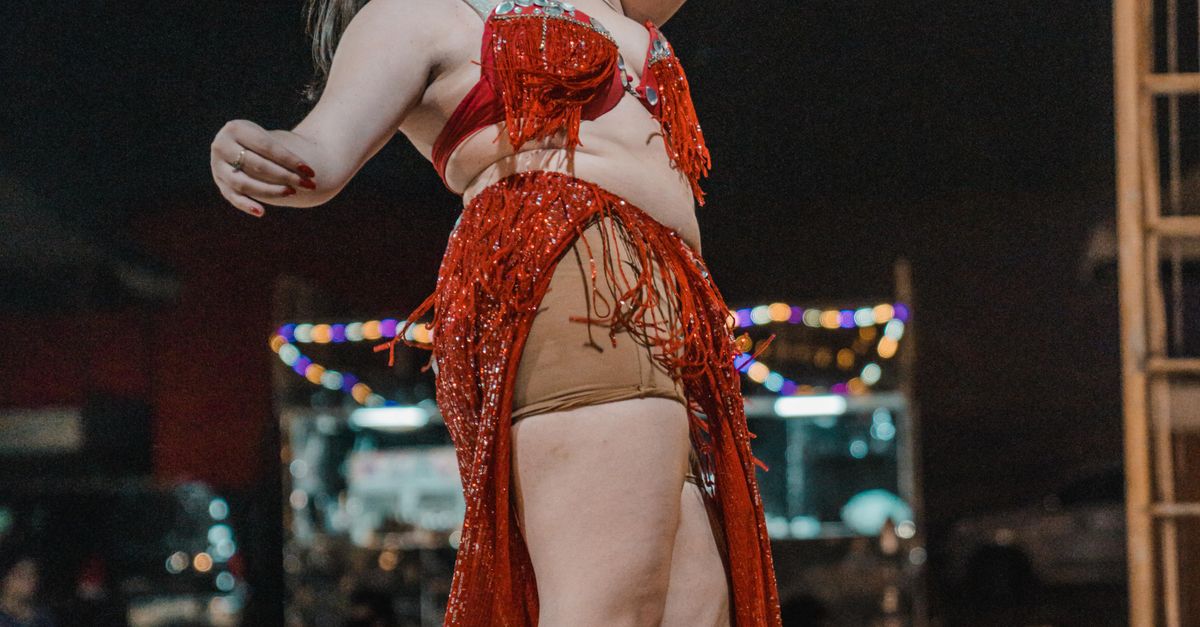
1) Ancient Egyptian Ritual Temple Dance
One of the earliest documented dance traditions dates back more than 4,000 years to ancient Egypt. Wall reliefs and tomb paintings depict structured group dances performed during religious ceremonies, funerals, and royal celebrations. These dances were not casual entertainment; they were sacred acts believed to connect the living with divine forces and the afterlife.
Movements were frequently symmetrical and intensely stylized, showcasing exact arm motions, rhythmic footwork, and synchronized alignments. Instrumentalists supported performers utilizing harps, flutes, and percussion gear. Contemporary revivals, drawn from archaeological and iconographic data, endure via cultural celebrations and scholarly presentation initiatives inside Egypt and overseas.
Why it endures:
- Extensive visual documentation preserved in temples and tombs
- Seamless integration into cultural heritage tourism and museum education
- Ongoing scholarly reconstruction alongside contemporary stage interpretation
2) Sacred Temple Dance of Southern India
With origins tracing back over 2,000 years, this classical dance form developed in Hindu temples as a devotional offering. Ancient treatises described codified gestures, facial expressions, and rhythmic footwork, forming one of the most detailed performance systems in the world.
After a period of decline during colonial rule, the dance was revived in the early twentieth century and institutionalized through academies and standardized curricula. Today, it is performed globally, both in religious contexts and on major international stages.
Key characteristics:
- Highly codified hand gestures and symbolic storytelling
- Intricate rhythmic patterns synchronized with percussion
- Structured training systems preserving technique across generations
3) Classical Theater Dance of Greece
Dance played a central role in ancient Greek theater as early as the sixth century BCE. Choral groups performed synchronized movements to narrate mythological stories and civic themes. Historical records describe circular formations and coordinated steps that enhanced dramatic storytelling.
Modern revivals draw upon literary descriptions and surviving visual art. While not identical to its ancient form, contemporary performances preserve the communal, narrative-driven essence of the tradition, particularly in open-air theaters modeled after classical designs.
Cultural significance:
- Roots of Western theatrical arts and traditions
- Seamless blending of musical scores, lyrical poetry, and choreography
- Resurgence driven by archival scholarship and staged festival productions
4) Imperial Court Dance of China
Rooted over three millennia in the past, this ceremonial court dance was traditionally executed throughout dynastic rituals and official state affairs. Ancient chronicles document intricate apparel, rigorous formations, and expressive choreography meant to symbolize the balance joining heaven and earth.
Although dynastic rule ended in the early twentieth century, cultural preservation programs and academic institutions continue to reconstruct and stage these dances. Large ensembles and carefully researched costume design help maintain historical authenticity.
Preservation factors:
- Comprehensive royal archives and creative representations
- State-backed cultural preservation projects
- Integration into global heritage exchange initiatives
5) Indigenous Hula of Hawaii
Tracing its origins back at least a millennium, this choreographic practice evolved as a narrative vehicle designed to safeguard lineage, heritage, and sacred beliefs. Hand and hip gestures communicate profound symbolism, accompanied by rhythmic chanting and percussion.
Despite suppression in the nineteenth century, community leaders revived the dance in the twentieth century. Today, formal schools and annual competitions ensure technical precision and cultural integrity.
Enduring elements:
- Strong community-based transmission
- Integration of chant, rhythm, and narrative
- Institutionalized festivals and educational programs
6) West African Masked Ritual Dance
Several West African societies maintain masked dance traditions that date back over a millennium. These dances serve ceremonial, social, and spiritual purposes, often marking rites of passage, harvests, or ancestral commemorations.
Complex drum polyrhythms guide dancers wearing carved masks and layered costumes. Knowledge is passed through apprenticeship within families or cultural guilds. The continuity of these dances is reinforced by their central role in community identity.
Distinct features:
- Masked performance symbolizing ancestral presence
- Advanced rhythmic structures
- Intergenerational oral transmission systems
7) Japanese Imperial Court Dance
This refined dance tradition emerged over 1,200 years ago within the Japanese imperial court. Influenced by continental Asian cultures yet uniquely adapted, it features slow, deliberate movements and highly stylized costumes.
Performances continue at state ceremonies and cultural events. Musicians use traditional court instruments, and choreography remains largely unchanged due to meticulous archival preservation and institutional guardianship.
Longevity drivers:
- Continuous patronage by the imperial institution
- Formalized training within specialized ensembles
- Careful documentation of music and choreography
8) Indigenous Australian Ceremonial Dance
Among the oldest continuous cultural practices on Earth, Indigenous Australian ceremonial dances date back tens of thousands of years. These performances convey ancestral stories, territorial knowledge, and spiritual law.
Dances are often performed during initiation rites, community gatherings, and cultural festivals. Body painting, rhythmic chanting, and percussive accompaniment are central elements. Preservation efforts now combine traditional custodianship with digital archiving and educational outreach.
Core strengths:
- Deep integration with land and identity
- Strong elder-led transmission systems
- Recognition as vital intangible heritage
The Living Thread of Human Memory
Across continents and millennia, these eight ancient dance traditions reveal a shared human impulse to encode belief, history, and identity into movement. Their survival is not accidental; it reflects structured teaching systems, community ownership, ritual significance, and, increasingly, institutional protection. While costumes and staging may adapt to modern audiences, the core vocabulary of gesture, rhythm, and symbolism remains remarkably resilient. Each preserved dance stands as kinetic evidence that culture is not only written in texts or carved in stone, but carried in bodies that remember, teach, and continue to move.