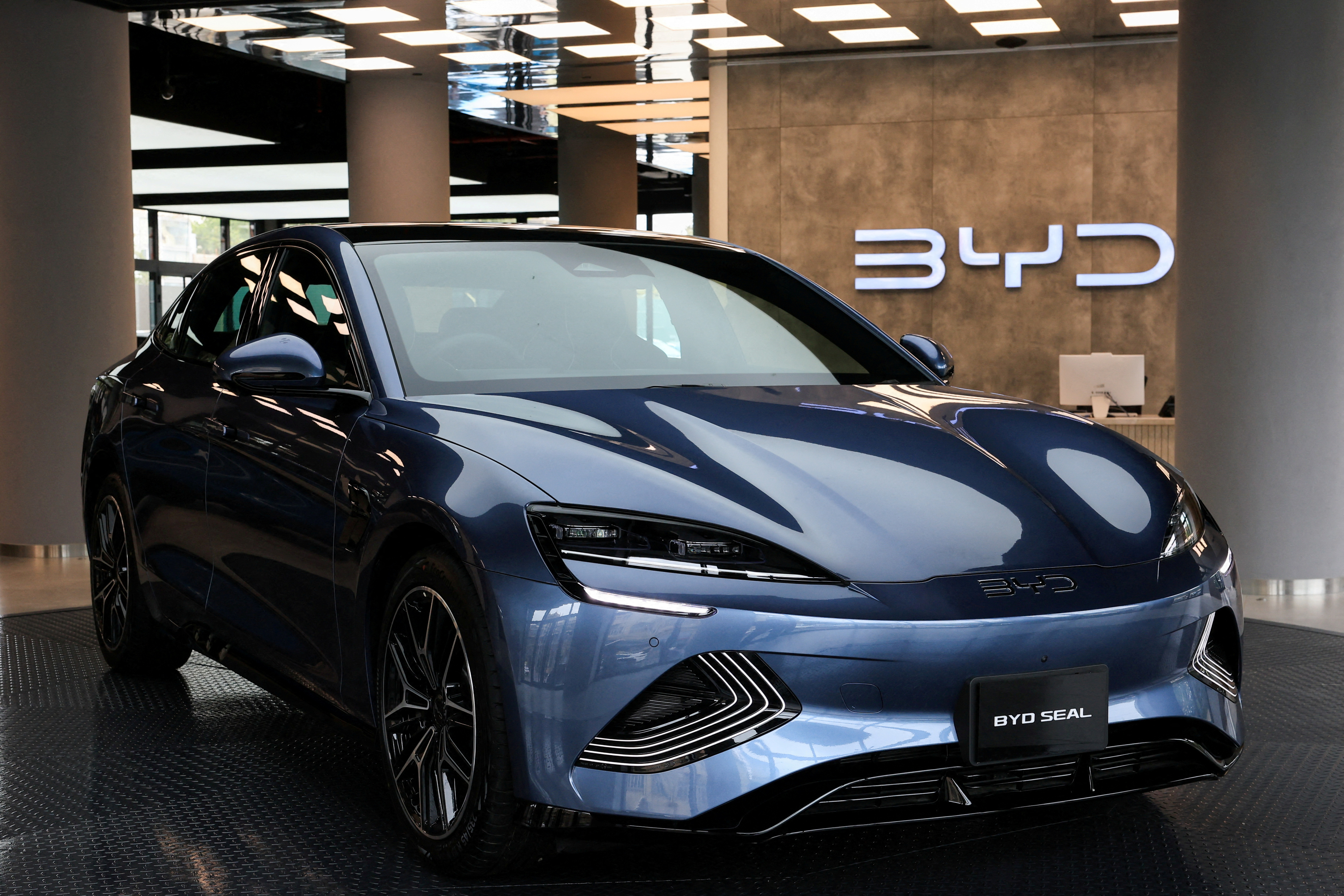
China’s electric vehicle market has become one of the most competitive sectors in the global automotive industry. Once seen as a steady growth story, the segment is now facing a turbulent period marked by aggressive pricing strategies. BYD, a major player in the EV landscape, recently experienced a significant decline in its share value as profit margins came under pressure from a relentless price war among manufacturers.
The competition within the EV industry in China has intensified as more companies enter the market and existing brands fight to maintain market share. For consumers, this battle translates into lower prices and greater accessibility. However, for automakers like BYD, it has introduced new challenges that threaten profitability and long-term stability. Investors are now questioning how sustainable these strategies are and what they mean for the broader electric mobility sector.
BYD, which has grown into a global powerhouse with strong domestic dominance, has relied on innovation, cost efficiency, and a diverse product lineup to stay ahead. Yet even these advantages have limits when rival companies adopt aggressive price cuts to lure customers. In recent months, industry leaders, including Tesla’s China operations, have also lowered prices, sparking a chain reaction among domestic brands. This dynamic has forced BYD to adjust pricing structures, compressing margins and raising concerns about future earnings.
The prolonged backing from the Chinese authorities for electric vehicles, via subsidies and incentives, initially nurtured a positive setting for expansion. However, as these benefits were slowly diminished, the competition began to pivot towards pricing as the primary differentiating factor. Firms with substantial resources can sustain extended periods of price reductions, whereas smaller producers face the danger of financial failure. For BYD, the challenge of maintaining cost-effectiveness while ensuring profits has grown more intricate, especially as the prices for battery materials and parts continue to be unpredictable.
The company’s recent earnings reports reflect this reality. Although unit sales have continued to rise, revenue growth has not translated into equivalent profit gains. Lower margins signal that while consumer demand remains robust, the financial rewards for manufacturers are shrinking. This imbalance has unsettled investors, contributing to the decline in BYD’s share price. The market reaction underscores how sensitive investor confidence is to profitability rather than just sales volume in a rapidly evolving industry.
Analysts in the industry caution that the pricing conflict may have wider implications beyond just the companies involved. Ongoing price cuts could result in mergers within the sector, as less robust companies find it hard to continue. Although this merging might eventually benefit the industry by removing inefficiencies, the immediate upheaval could be significant. Car manufacturers that do not adjust to the changing pricing climate face the risk of not only reduced margins but also losing their competitive advantage in a marketplace that is getting more crowded.
Another dimension to this challenge lies in technology investment. Electric vehicle development requires substantial capital for research and innovation in areas such as battery technology, autonomous driving, and charging infrastructure. When profit margins erode, companies have less flexibility to fund these projects, potentially slowing the pace of technological progress. For BYD, maintaining leadership in innovation is critical, yet this becomes more difficult in a scenario where resources are diverted to sustaining price competitiveness.
Global economic conditions further complicate the situation. Inflationary pressures, fluctuating raw material costs, and currency volatility add layers of uncertainty to an already competitive market. In addition, geopolitical factors and shifting trade policies influence supply chains and production costs. These dynamics make it harder for companies like BYD to forecast accurately and plan strategic moves. While the long-term outlook for EV adoption remains positive, short-term profitability challenges cannot be ignored.
Customer anticipations are also changing. Although cost is still a crucial element, purchasers are growing more interested in sophisticated features, longer driving distances, and enhanced charging solutions. Addressing these needs necessitates continuous investment in technology, a challenge intensified during times of margin squeeze. Organizations that cut back on innovation to keep prices down may harm their brand’s reputation and lag in product excellence. This careful balancing act is influencing the tactics of all leading electric vehicle producers, including BYD.
Though facing these challenges, BYD has numerous advantages that might enable it to endure the difficulties. The firm’s vertically integrated approach allows it to manage supply chain expenses, while its extensive product lineup addresses various market areas. Furthermore, BYD’s expertise in battery production gives it a cost optimization edge over competitors who depend significantly on external suppliers. These elements contribute to resilience, but it’s still unclear if they are enough to mitigate the impact of a prolonged price conflict.
Investors are now closely monitoring the company’s outlook for the future. Indications regarding pricing tactics, cost control, and innovation strategies will impact the market’s outlook in the upcoming quarters. Some experts think that when the pricing competition settles down, leading companies like BYD will likely become more dominant by increasing their market share. However, others warn that the harm to profits might last longer than expected, posing challenges for stock performance despite the industry’s growth.
The electric vehicle sector in China remains critical to the global transition toward sustainable mobility. As the world’s largest EV market, developments within China have implications for manufacturers, suppliers, and investors worldwide. BYD’s current challenges illustrate the complexities of competing in a rapidly maturing industry where growth opportunities coexist with structural risks. The company’s ability to adapt to these conditions will not only determine its own trajectory but also provide insight into the future dynamics of the EV market.
In the meantime, consumers continue to benefit from competitive pricing, making electric vehicles more accessible to a broader audience. However, this consumer advantage comes at a cost for manufacturers, forcing them to navigate an environment where price-driven strategies clash with the need for profitability and innovation. For BYD, and for the entire sector, the coming years will test whether aggressive pricing can coexist with sustainable business models in one of the most transformative industries of the modern era.