Our website uses cookies to enhance and personalize your experience and to display advertisements (if any). Our website may also include third party cookies such as Google Adsense, Google Analytics, Youtube. By using the website, you consent to the use of cookies. We have updated our Privacy Policy. Please click the button to view our Privacy Policy.

International

Why regulating social media is so hard globally

Social Media Regulation’s Global Quandary

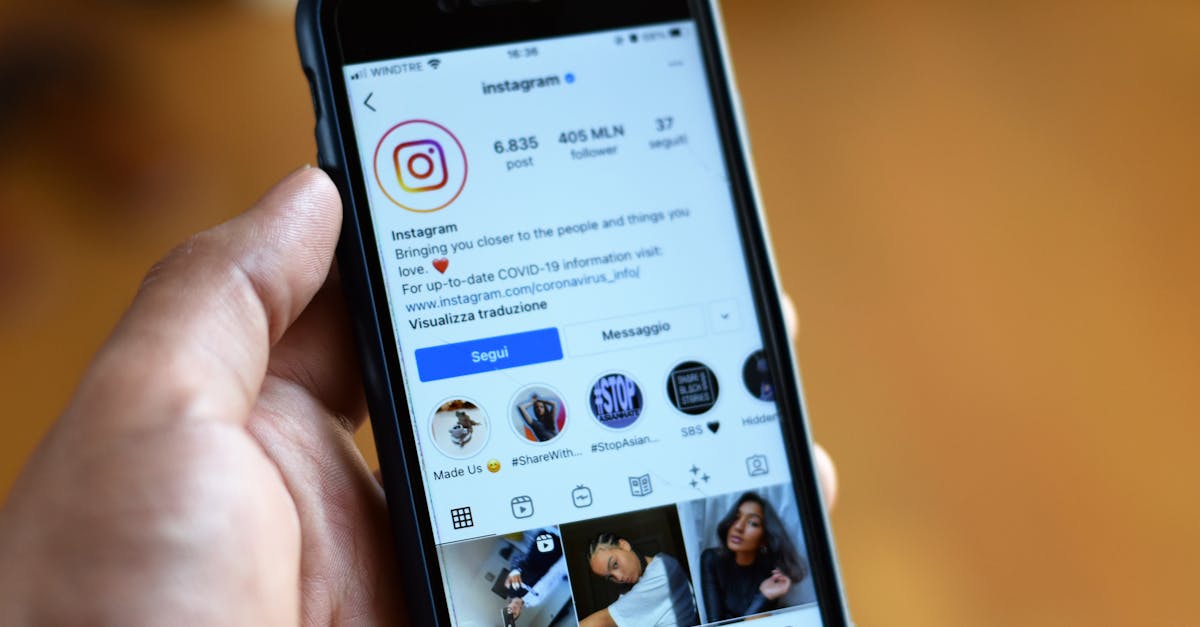
Social media platforms mediate information, politics, commerce, and private lives across borders. Regulating them is not simply a matter of drafting rules; it involves reconciling competing legal systems, technical limits, economic incentives, political power, cultural differences, and operational realities at an unprecedented global scale. Below I map the core challenges, illustrate them with cases and data points, and sketch pragmatic directions for progress.1. Scale and Technical ConstraintsSheer volume: Platforms accommodate billions of users and handle an immense stream of posts, messages, photos, and videos each day. While automated tools assist, human judgment is still required for subtle or context-heavy decisions,…
Read More
Why food security remains fragile

Understanding Vulnerable Food Systems

Food security is the condition in which all people, at all times, have physical and economic access to sufficient, safe, and nutritious food. Despite progress in agricultural productivity and declining child mortality in some regions over recent decades, global food security remains fragile. Multiple interacting drivers — environmental, economic, political, social, and technological — continuously undermine availability, access, utilization, and stability of food supplies. The following analysis explains the main causes, illustrates them with cases and data trends, and highlights practical pathways to reduce fragility.Fundamental factors behind fragilityConflict and instability: Armed conflict is the single largest driver of acute food…
Read More
Iranians confront a post-Khamenei reality with relief, disbelief and anxiety

The End of an Era: Iran’s Post-Khamenei Landscape

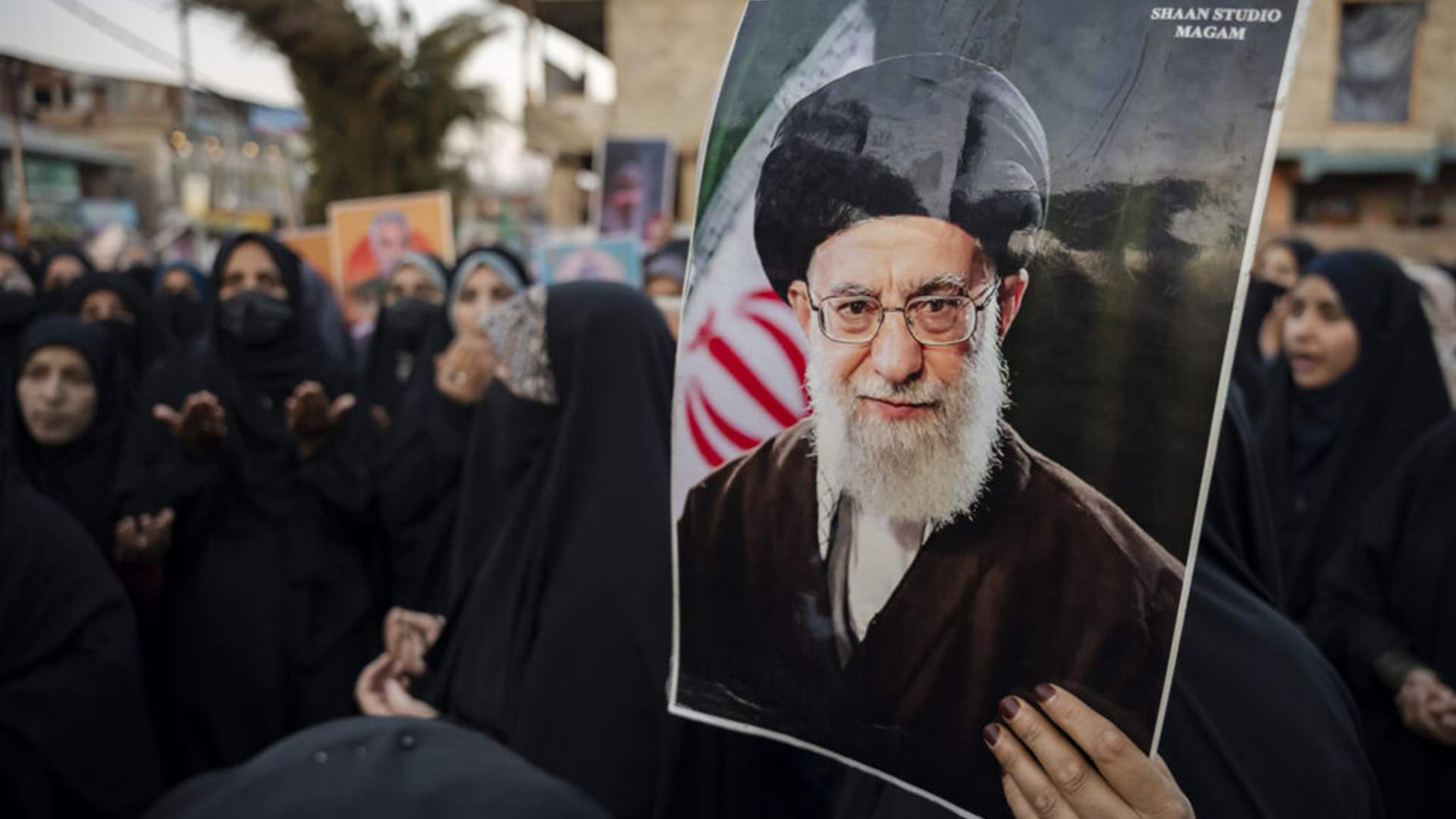
For the first time in decades, Iranians awoke to a nation no longer led by Ayatollah Ali Khamenei, after coordinated US-Israeli strikes claimed his life, leaving the country facing a profoundly uncertain chapter.Diverse reactions unfolding nationwideThe news of Khamenei’s death has triggered a broad array of reactions throughout Iran, where residents in the capital and other major cities voiced restrained optimism, seeing the conclusion of his decades-long leadership as a moment that might reshape the country’s future. In several districts, impromptu celebrations broke out as crowds honked car horns, waved garments, and even pulled down monuments linked to the Islamic…
Read More
What influence operations are and how to spot them

Detecting Influence Operations: A Practical Handbook

Influence operations are organized attempts to steer the perceptions, emotions, choices, or behaviors of a chosen audience. They blend crafted messaging, social manipulation, and sometimes technical tools to alter how people interpret issues, communicate, vote, purchase, or behave. Such operations may be carried out by states, political entities, companies, ideological movements, or criminal organizations. Their purposes can range from persuasion or distraction to deception, disruption, or undermining public confidence in institutions.Key stakeholders and their driving forcesInfluence operators include:State actors: intelligence services or political units seeking strategic advantage, foreign policy goals, or domestic control.Political campaigns and consultants: groups aiming to win…
Read More
How shared river agreements prevent conflict

Shared Water Resources: Preventing Disputes with Agreements

Rivers often flow across political boundaries in ways that defy modern territorial concepts. More than 150 nations rely on transboundary river basins, and over 260 international river and lake systems cut across national borders. In regions where water is scarce or unevenly spread, competition may intensify and lead to diplomatic strain or even military displays. In contrast, well-crafted shared river agreements provide cooperative frameworks that transform potential conflict zones into stable, jointly managed resources. This article outlines how these agreements help avert disputes, offering examples, data, and practical insights.Primary hazards linked to unregulated transboundary riversUncoordinated use of a shared river…
Read More
The dilemmas of content moderation online

Addressing the Dilemmas of Digital Content Moderation

Online content moderation sits at the intersection of technology, law, business incentives, and human values. Platforms must balance the protection of users from harm with respect for free expression, operate across thousands of jurisdictions, and make split-second decisions at a scale of millions or billions of posts. The result is a set of persistent dilemmas: what to remove, what to label, how to enforce rules consistently, and who decides.Key dilemmas clarifiedSafety versus free expression. Strict enforcement can curb harms tied to harassment, hate, and misinformation, yet it may also sweep up valid political conversations, satire, or voices from marginalized groups.…
Read More
Who controls data and why that equals power

Who Holds the Reins of Data Power?

Data is far from neutral or merely raw; it functions as a strategic resource. The party that gathers, stores, interprets, and oversees extensive, high‑quality datasets secures economic leverage, political sway, and operational authority. That concentrated ability to anticipate behavior, influence markets, guide information flows, and execute large‑scale decisions is what ultimately transforms data into power.Key actors who control dataBig technology platforms: Companies like global search, social media, cloud, and ecommerce platforms aggregate massive behavioral, transactional, and location data across billions of users and services.Governments and regulators: States collect identity, tax, health, telecommunications, and surveillance data; they also set rules that…
Read More
Europa frena su impulso económico: el BCE adopta una postura cautelosa en los tipos de interés

Beijing’s Bid for Global Reserve Currency: A Threat to the Dollar?

China is taking advantage of a period marked by global instability to advance its long-held goal of giving its currency a broader international presence, as market turmoil, a softer US dollar, and shifting political landscapes have created what Beijing views as exceptionally ripe conditions.In recent months, global markets have been unsettled by a convergence of political and economic factors, many of them tied to policy signals coming out of the United States. The renewed presidency of Donald Trump has reintroduced an element of unpredictability into trade, monetary policy, and international relations. As investors attempt to price in this uncertainty, the…
Read More
Why power grids are a bottleneck for clean energy

The Grid Challenge: Powering Clean Energy’s Future

The move toward low‑carbon electricity depends on grids being able to transfer, regulate, and oversee far greater and more unpredictable energy volumes than they were originally designed to handle, and these systems are repeatedly constrained by technical limits, entrenched practices, regulatory hurdles, and societal pressures. This article describes how that bottleneck functions, highlights real examples that reveal its impact, and presents practical ways to accelerate meaningful progress.How the grid’s physical layout clashes with clean energy productionGeography and resource mismatch. The best wind and solar sites are often far from demand centers. Offshore and remote wind farms, desert and high-sun regions…
Read More
Why energy keeps getting used as a geopolitical tool

Energy as Geopolitical Tool: Why it Persists

Energy extends far beyond fuel and electricity, serving as the foundation for industry, transportation, household well-being, and military strength. Because of this central role, it becomes a particularly powerful instrument in international affairs. Governments, corporations, and nonstate actors leverage supply, pricing, infrastructure, regulation, and technological oversight to pursue strategic objectives. This behavior endures due to four persistent factors: the uneven global distribution of resources, the long lifespan of infrastructure and contractual arrangements, the rapid economic strain caused by supply disruptions, and the wide-ranging ripple effects on alliances and domestic political dynamics.Core mechanisms of energy geopoliticsSupply manipulation: producers can cut or…
Read More