Introduction: Agriculture as the Engine of Human Expansion
For most of human history, the global population remained below one billion. Today it exceeds eight billion. This dramatic expansion was not accidental; it was powered by a sequence of agricultural innovations that increased food production, reduced famine, improved nutrition, and supported urbanization. Each breakthrough multiplied the carrying capacity of the planet. Below are fifteen agricultural innovations that fundamentally reshaped human destiny.
1. The Domestication of Plants
Around 10,000 years ago, mankind initiated the selective cultivation of wild grasses like wheat and barley within the Fertile Crescent, alongside rice in East Asia and maize across Mesoamerica. Crop domestication boosted agricultural yields, enhanced seed retention, and synchronized the ripening process. Predictable food supplies eventually superseded uncertain foraging, thereby facilitating permanent human settlements and substantial population expansion.
2. The Domestication of Animals
The taming of cattle, sheep, goats, pigs, and later horses provided meat, milk, fiber, traction, and manure. Animal traction increased plowed acreage per farmer, while manure improved soil fertility. Livestock also offered a buffer against crop failure, stabilizing food supplies.
3. Irrigation Systems
Early irrigation in Mesopotamia, Egypt, the Indus Valley, and China enabled agriculture in arid regions and stabilized yields in unpredictable climates. Large-scale canal systems transformed deserts into breadbaskets. Modern irrigation now supports roughly 20 percent of global farmland yet produces about 40 percent of the world’s food.
4. The Plow
The shift from digging sticks to ard plows, and subsequently to heavy wheeled plows during the medieval period in Europe, significantly broadened arable land. Farming in compact northern European soils was made possible by the heavy plow, which fueled demographic expansion from 1000 to 1300. Subsequently, steel plows—like those debuted during the 19th century—unlocked the American Midwest.
5. Crop Rotation Systems
The three-field system in medieval Europe rotated grains with legumes and fallow land, restoring soil nutrients and increasing output by as much as 30 percent. Legumes fixed nitrogen naturally, reducing soil exhaustion. Modern rotation systems continue to enhance soil health and yields.
6. The Columbian Exchange
The post-1492 transfer of crops between continents transformed global diets. Potatoes and maize from the Americas boosted caloric intake in Europe, Africa, and Asia. The potato alone supported rapid population growth in 18th- and 19th-century Europe due to its high caloric yield per acre and resilience in poor soils.
7. Scientific Plant Breeding
The application of genetics in the 19th and early 20th centuries allowed systematic selection for higher yields, disease resistance, and adaptability. Hybrid maize in the United States doubled yields between the 1930s and 1950s. Controlled breeding increased productivity without expanding farmland.
8. Synthetic Fertilizers
The Haber-Bosch process, developed in the early 20th century, enabled industrial nitrogen fixation. Synthetic nitrogen fertilizers dramatically increased crop yields by replenishing essential nutrients. It is estimated that nearly half of the global population today depends on food produced using synthetic nitrogen fertilizers.
9. Mechanization
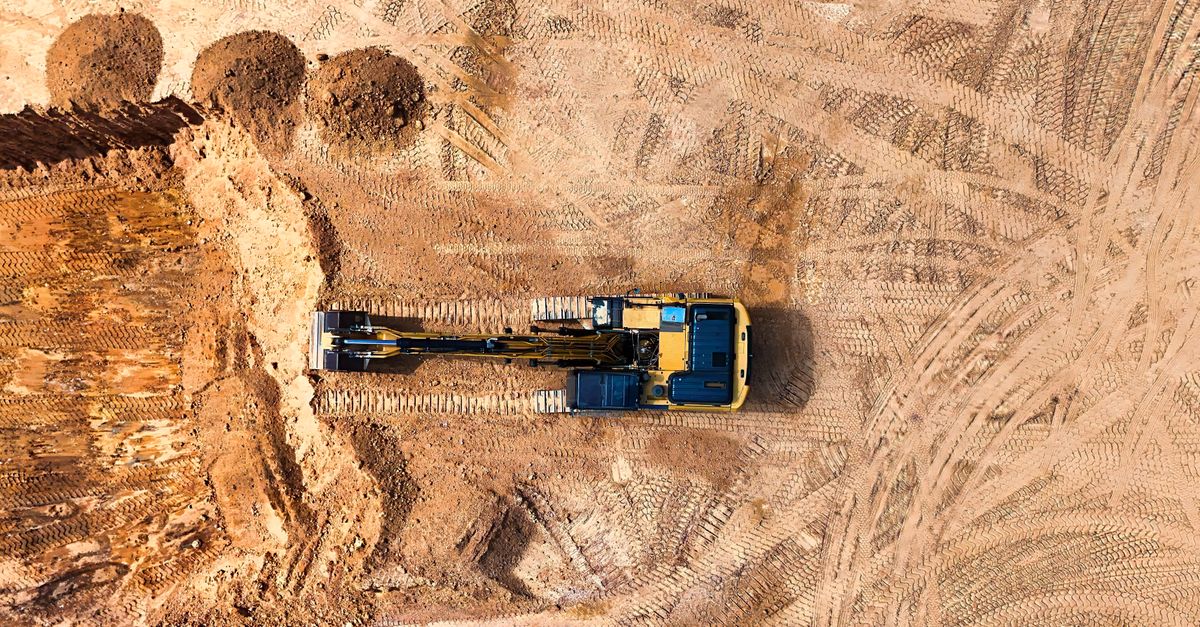
Tractors, combine harvesters, and mechanical planters replaced animal and human labor. In the United States, the percentage of the workforce in agriculture fell from over 40 percent in 1900 to less than 2 percent today, while output soared. Mechanization increased efficiency, reduced labor constraints, and allowed larger-scale farming.
10. Chemical Crop Protection
The creation of pesticides and herbicides decreased crop damage caused by weeds, illnesses, and insects. Historically, before contemporary agricultural defense methods emerged, pests managed to ruin as much as thirty percent of yields. Although ecological worries continue to be raised, those agricultural agents have considerably secured worldwide food availability.
11. The Green Revolution
Starting in the 1940s and gaining momentum throughout the 1960s, high-yielding strains of wheat and rice, paired with irrigation techniques and fertilizers, revolutionized farming across Asia and Latin America. Nations like India and Mexico transitioned from persistent food deficits to self-reliance. Worldwide cereal output more than doubled from 1960 to 1990, despite a surging population.
12. Modern Irrigation Technologies
Drip and sprinkler irrigation enhanced water efficiency relative to conventional flood methods. Precision water delivery boosted crop yields while simultaneously minimizing waste. In arid territories like Israel and regions of California, sophisticated watering techniques facilitated intensive farming operations.
13. Biotechnology and Genetically Modified Crops
Genetically engineered crops resistant to pests, herbicides, or drought have increased yields and reduced losses. For example, insect-resistant cotton significantly reduced pesticide use in several countries while increasing farmer incomes. Biotechnology has helped stabilize production in regions vulnerable to crop failure.
14. Cold Storage and Refrigeration
Refrigeration breakthroughs have prolonged the viability of perishable goods, decreased post-harvest shrinkage, and facilitated international food commerce. Currently, cold chains permit produce, dairy, and livestock items to access remote destinations, enhancing dietary quality and cutting down on spoilage.
15. Precision Agriculture and Digital Farming
Modern agriculture increasingly relies on satellite imaging, GPS-guided machinery, sensors, and data analytics. Farmers can optimize fertilizer use, monitor crop health in real time, and reduce inputs while maintaining high yields. Precision farming increases efficiency and sustainability, supporting a growing global population under environmental constraints.
The Multiplier Effect on Humanity
These breakthroughs achieved far more than merely boosting food yields; they fundamentally transformed society. Dependable surpluses spurred urban growth, job specialization, technological progress, and better longevity. Every single leap in farming output lessened susceptibility to starvation and raised the Earth’s human capacity.
Yet this expansion brings environmental costs: soil degradation, water scarcity, biodiversity loss, and greenhouse gas emissions. The very resourcefulness that boosted the global population is now tasked with feeding it while preserving life-support systems. Agriculture has consistently served as humanity’s greatest driver; its upcoming evolution will shape how upcoming generations flourish on a limited planet.