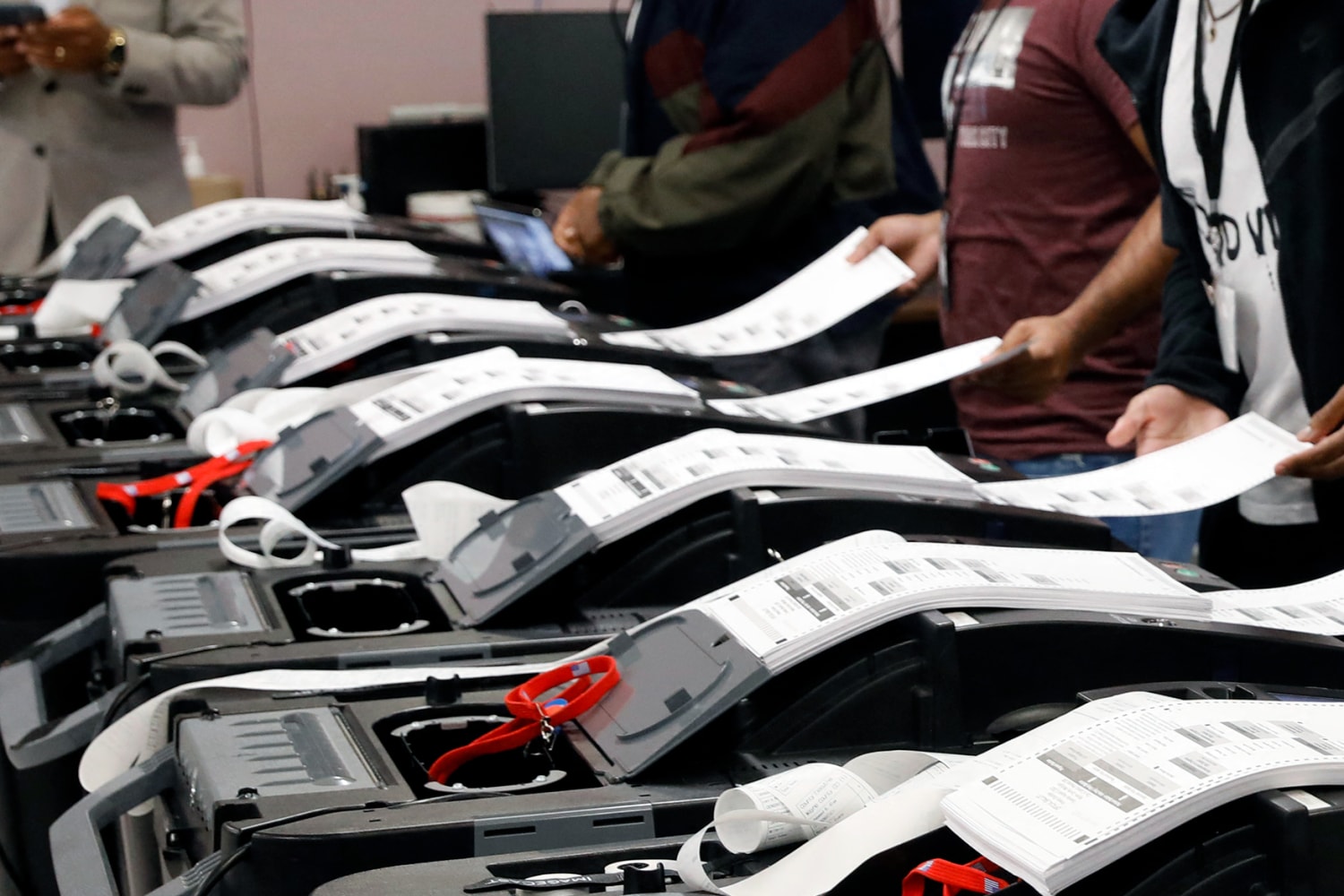
Newsmax has settled its legal disagreement with Dominion Voting Systems by consenting to a $67 million payment, concluding a significant defamation case associated with the 2020 U.S. presidential election. This settlement stops the case from advancing to trial and highlights the financial and reputational impacts that media organizations may encounter when covering claims that are unsupported by verified evidence.
Dominion Voting Systems, a company that provided election technology and tabulation machines across the United States, became a central target of misinformation campaigns after the 2020 election. Unfounded allegations that Dominion’s systems had manipulated results spread rapidly, amplified by public figures and certain media platforms. These claims were repeatedly disproven in courts and through official audits, yet the reputational damage to Dominion was significant. The company filed multiple defamation lawsuits to protect its credibility and to seek accountability for the misinformation.
Newsmax was one of the media companies named in Dominion’s legal strategy. While the network initially defended its coverage by citing the newsworthiness of election-related allegations, critics argued that its reporting amplified falsehoods that undermined confidence in the democratic process. Facing mounting legal pressure and the potential of a costly trial, Newsmax’s decision to settle reflects a pragmatic choice to mitigate risks and limit further reputational fallout.
The $67 million settlement adds to the series of substantial financial agreements Dominion has secured from lawsuits tied to false election narratives. These cases serve as a reminder that while freedom of the press is a cornerstone of democracy, it does not shield organizations from the consequences of disseminating unverified claims. Legal experts note that the settlement represents both a deterrent and a precedent, signaling to other outlets the importance of rigorous fact-checking and editorial responsibility in politically sensitive reporting.
For Dominion, the settlement not only provides financial compensation but also reinforces its broader effort to rebuild public trust. The company has consistently maintained that its technology is secure and reliable, with bipartisan election officials across the country affirming the integrity of the systems used in 2020. By pursuing these lawsuits, Dominion has sought to defend not just its corporate reputation, but also the credibility of electoral processes that underpin democratic institutions.
The settlement also reflects a broader reckoning within the media industry. The rapid spread of misinformation—especially during politically charged events—has challenged traditional norms of journalism. The case against Newsmax illustrates how outlets that fail to differentiate between unproven allegations and verified facts risk both legal and financial repercussions. At the same time, it highlights the responsibility media organizations have in maintaining public confidence during moments of political tension.
Observers point out that this outcome will likely influence future editorial practices. Networks may now adopt stricter protocols for handling controversial political claims, investing more resources in fact-checking and legal review before broadcasting potentially defamatory content. For audiences, this shift could result in more cautious coverage, where outlets weigh the risks of amplifying unverified stories against their duty to report on matters of public concern.
The conclusion of the Newsmax situation further shapes the evolving legal environment that involves Dominion. The company is still actively engaged in legal actions against various parties alleged to have disseminated misinformation regarding its involvement in the 2020 election. Every agreement reached bolsters Dominion’s stance, highlighting the gravity of libel in the online age and the major financial repercussions of careless journalism.
Beyond the courtroom, the broader implications of the case reach into the realm of democracy and public trust. The spread of misinformation about elections undermines confidence in voting systems, polarizes communities, and erodes the legitimacy of institutions. By holding media outlets accountable through defamation suits, companies like Dominion are not only defending their business interests but also reinforcing the principle that factual accuracy is essential in civic discourse.
From a legal standpoint, the agreement emphasizes the careful equilibrium between safeguarding free expression and preventing damage from misleading statements. Courts have consistently upheld that while vigorous discussion is crucial for democracy, the deliberate or careless distribution of incorrect information that harms reputations can lead to legal repercussions. The settlement with Newsmax illustrates this balance in action, showing that responsibility can be ensured without compromising the right to free speech.
As Newsmax moves forward, the challenge lies in repairing its reputation with viewers, advertisers, and the broader public. Settling the lawsuit may ease immediate financial and legal pressures, but the long-term task of regaining trust will depend on how the network approaches editorial standards and journalistic integrity in the future. For Dominion, the settlement represents another step in its campaign to restore confidence, both in its technology and in the broader electoral systems it supports.
The $67 million agreement between Newsmax and Dominion ultimately serves as a milestone in the intersection of law, media, and democracy. It highlights the costs of amplifying misinformation, the importance of responsible journalism, and the resilience of legal systems in addressing reputational harm. In the years to come, this case will likely be studied as part of a broader shift toward greater accountability in media practices, offering lessons not only for news organizations but for all institutions navigating the challenges of truth and trust in the modern era.