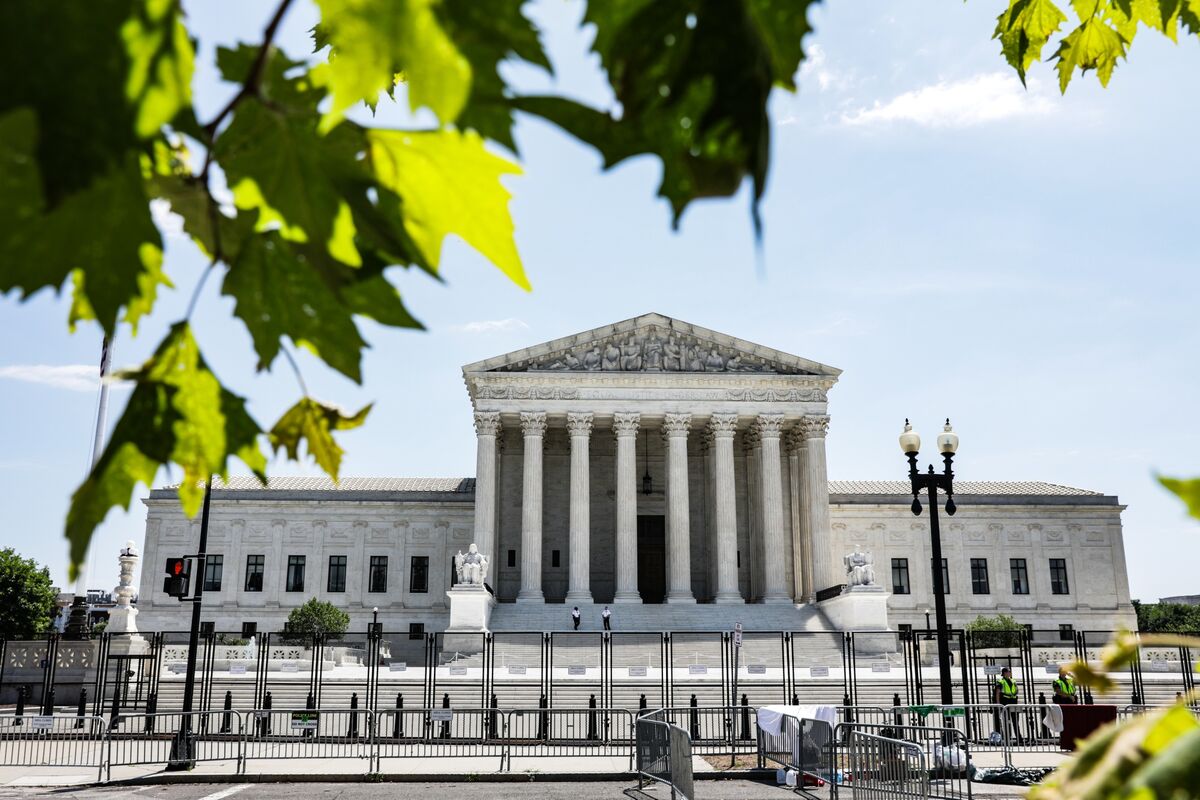
The United States Supreme Court has ruled in favor of implementing limitations on federal health research grants connected to diversity, equity, and inclusion (DEI) policies, a move that has ignited widespread debate across the academic and medical research communities. This decision supports previous measures introduced during Donald Trump’s administration, which sought to reduce funding for programs that required adherence to DEI standards as a condition for receiving grants.
The court’s ruling is viewed as a pivotal moment in the ongoing discourse over how federal funds are distributed to research institutions. By allowing these restrictions to remain in place, the decision may significantly reshape how diversity considerations are integrated into federally funded medical and scientific projects. Supporters argue that the ruling helps ensure that funding focuses on scientific merit rather than social initiatives, while critics believe the move undermines efforts to create inclusive research environments that address disparities in healthcare.
One of the main areas of debate centers on the impact for universities and research institutions that have established DEI criteria to enhance diversity within research groups. Supporters of DEI claim that a variety of viewpoints result in more inclusive and inventive health solutions, especially for marginalized communities. They argue that eliminating these efforts from the funding process might hinder advances in tackling health disparities. Critics, on the other hand, argue that government funds should not be connected to social or political standards and should focus solely on the scientific merit of the proposed projects.
The ruling has brought up debates concerning the future of federally funded research initiatives and if other diversity-related stipulations linked to government funding might encounter comparable examination. Legal experts indicate that this decision could establish a benchmark impacting not just health research, but also areas like education, technology, and additional sectors supported by federal funding, where DEI policies have gained prominence.
Specialists in policy are keeping an eye on how organizations such as the National Institutes of Health (NIH) will adjust their procedures for assessing grants in light of the recent decision. The NIH has traditionally prioritized inclusive research methods to guarantee that studies reflect gender, racial, and socioeconomic variations impacting health results. With these limitations now maintained, there might be a transition to impartial assessment models, diminishing the focus on diversity-related factors in funding choices.
Medical professionals and research advocates fear that this policy change could exacerbate existing disparities in clinical studies. Historically, marginalized groups have been underrepresented in medical research, which can lead to treatments and therapies that are less effective for certain populations. Diversity-focused initiatives were introduced partly to address these gaps and promote equitable health outcomes. Removing these incentives, critics argue, could result in research findings that fail to reflect the needs of the broader population.
On the political front, the ruling aligns with a broader push to curtail what some lawmakers have labeled as “ideological mandates” in public institutions. This decision marks another chapter in the larger national debate surrounding DEI policies, which have become a focal point in cultural and political discussions over the past few years. For many proponents of the ruling, the emphasis should return to scientific rigor and neutrality, while those in opposition see it as a setback in the fight for equity in healthcare and education.
The response from the research community has been swift, with numerous organizations issuing statements expressing concern over the potential long-term consequences of this decision. Some have indicated plans to seek alternative funding sources to sustain DEI initiatives outside the scope of federal grants. Meanwhile, others are reevaluating their internal policies to ensure compliance while maintaining their commitment to inclusive research practices.
As the impact of this ruling unfolds, the future of diversity in federally funded health research remains uncertain. While the decision does not outright ban DEI programs within institutions, it limits the leverage these organizations have when seeking federal support. The conversation now turns to whether legislative or policy adjustments will emerge to restore or redefine the role of diversity considerations in shaping the landscape of medical research in the United States.