

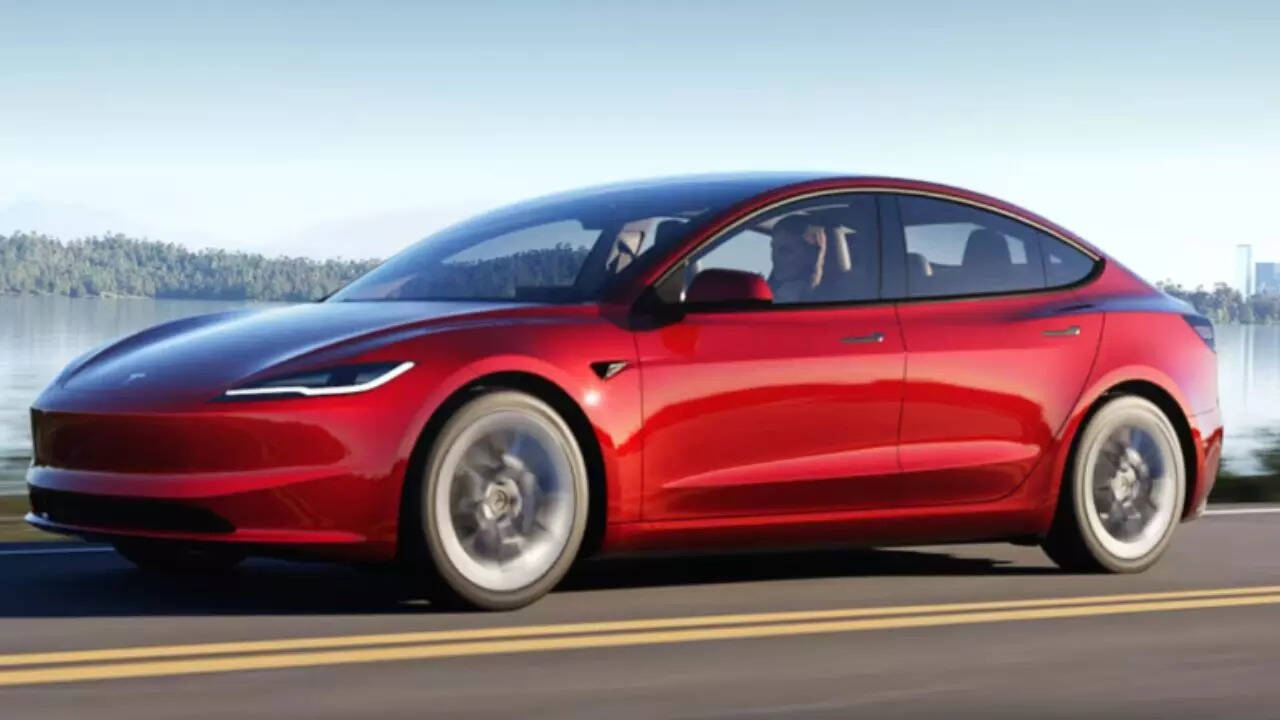
The automotive industry has been navigating an unpredictable landscape over the past few years, marked by supply chain disruptions, fluctuating material costs, and shifts in consumer demand. As manufacturers prepare to unveil the 2026 model lineup, a critical question lingers among buyers and analysts alike: Will this be the year significant price hikes finally take hold?
For much of the last decade, new vehicle prices have climbed steadily, driven by factors such as technological innovation, regulatory requirements, and heightened consumer expectations for safety and comfort. However, recent inflationary pressures and global economic uncertainties have added new layers of complexity to pricing strategies. While automakers have been cautious about passing the full burden of rising production costs onto consumers, the release of the next model year could signal a turning point.
The underlying pressures on vehicle pricing
Several forces have been building behind the scenes, creating a perfect storm for potential cost increases. First, raw materials essential for modern vehicles—such as lithium for electric batteries, steel for chassis components, and semiconductors for advanced electronics—remain in high demand. Although some supply chain bottlenecks have eased since the height of the pandemic, the balance between supply and demand remains fragile.
Additionally, regulatory frameworks around the world are tightening emissions and fuel efficiency standards. To meet these requirements, automakers are investing heavily in electrification, hybrid systems, and advanced powertrains. While these innovations support sustainability goals and appeal to eco-conscious consumers, they also add substantial costs to vehicle development.
The growing influence of electric vehicles
Another significant factor influencing pricing dynamics is the rapid transition towards electric vehicles (EVs). Car manufacturers are hastening to broaden their range of EVs, a step that demands not only advanced technologies but also completely new production methods and infrastructure. Establishing battery factories, modifying assembly lines, and obtaining mineral resources all entail considerable initial costs.
Although certain producers have managed some of these expenses to gain a foothold in the market, there is an escalating demand to make EV sales profitable. This demand might lead to elevated price tags, particularly as government and state benefits for buying EVs become less accommodating in the near future.
Customer choices and high-end characteristics
Consumer expectations have evolved dramatically, with many buyers seeking advanced technology, connectivity, and luxury-like amenities even in entry-level models. Features such as large touchscreen displays, driver-assistance systems, and premium sound systems are no longer confined to high-end trims—they are becoming standard across much of the market.
Although these improvements boost comfort and safety, they also lead to increased manufacturing expenses. Car manufacturers encounter the delicate task of balancing these demands with cost-effectiveness, a challenge that becomes more intricate in a competitive market.
The financial environment and borrowing costs
Macroeconomic conditions further complicate the outlook. High interest rates and persistent inflation have already placed strain on household budgets, making big-ticket purchases like cars more difficult for many consumers. Lenders have tightened credit standards, and average loan terms have extended to offset rising monthly payments.
If automobile manufacturers impose substantial price increases on the 2026 models, it might further reduce demand, especially in segments that are sensitive to costs. Consequently, certain brands might choose a more calculated strategy, distributing increases steadily over several model years instead of making abrupt changes immediately.
What buyers might anticipate
For purchasers desiring some relief, the fact remains that slight price rises are nearly unavoidable. Nonetheless, the magnitude of these increments will probably differ based on the brand, segment, and type of powertrain. Standard sedans and compact SUVs may encounter relatively minor changes, while models with high demand, luxury automobiles, and advanced electric vehicles could undergo more pronounced hikes.
To mitigate the impact, some manufacturers are introducing new leasing options, subscription models, and certified pre-owned programs to maintain accessibility. Additionally, as technology continues to advance, the used-car market is evolving, offering budget-conscious buyers a broader range of feature-rich vehicles at lower price points.
While no official announcements confirm sweeping price jumps for 2026 models, the convergence of rising production costs, evolving regulations, and consumer demand for advanced technology makes upward adjustments highly likely. For prospective buyers, planning ahead—whether by securing financing early, considering existing inventory, or exploring alternative ownership models—may be key to navigating the next wave of automotive pricing trends.
Si manufacturers handle these adjustments with care, the market may achieve equilibrium between technological advancement and cost-effectiveness. However, at present, both industry analysts and buyers are attentively monitoring the developments in vehicle pricing expected in 2026.


.jpg "Buying a Home in Cap Cana")