

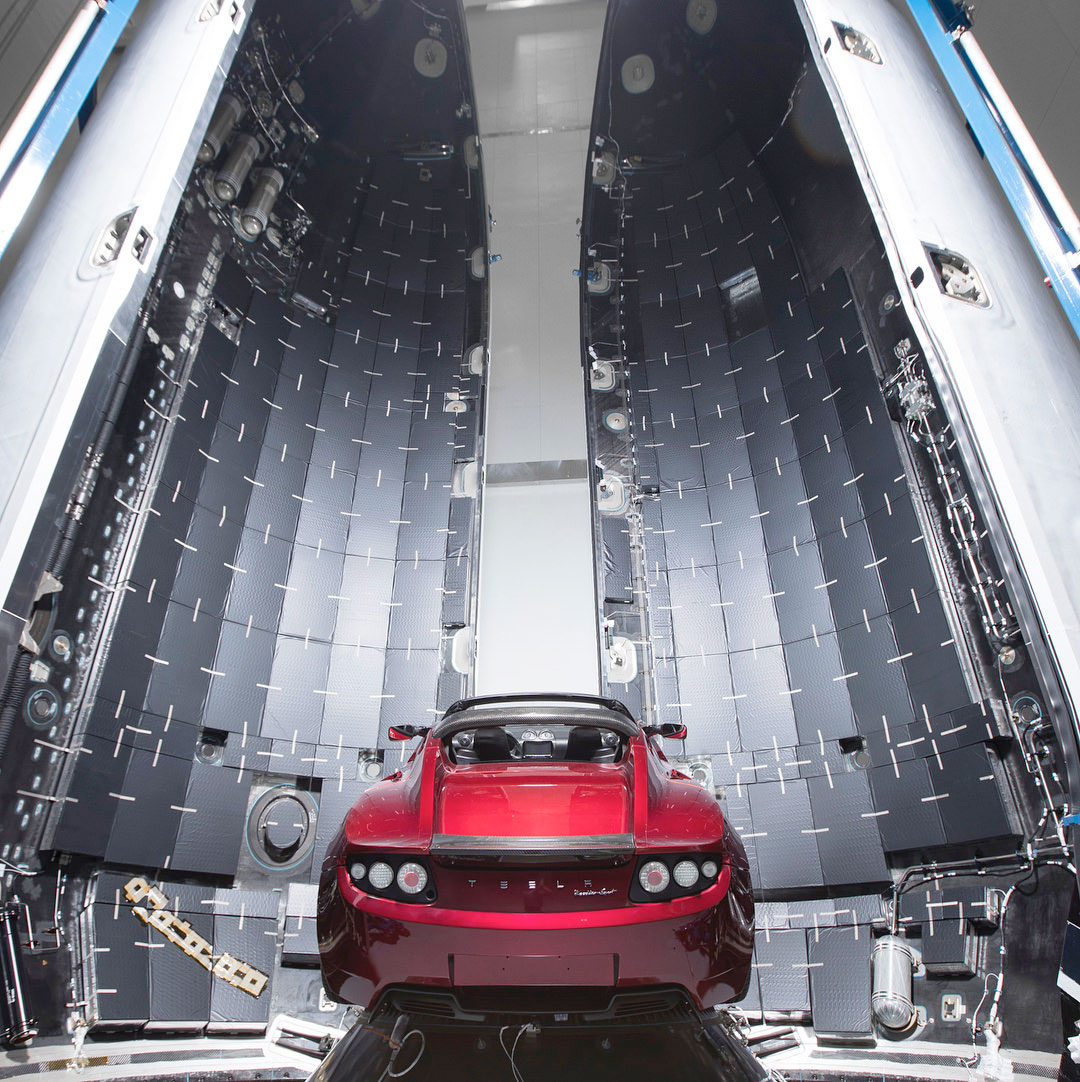
Elon Musk stands as a singular figure at the intersection of technology, entrepreneurship, and geopolitics. As CEO of Tesla, SpaceX, and X (formerly Twitter), Musk wields a degree of power and influence that transcends the traditional boundaries of business leadership. His impact on global politics is multifaceted and constantly evolving, encompassing technological innovation, defense interests, energy transition, social discourse, and even explicit policy intervention.
Technological Leadership and Its Diplomatic Ramifications
Musk’s influence in groundbreaking fields like electric vehicles, sustainable energy, and space exploration creates widespread impacts globally. Tesla’s leading position in electric automobiles compelled car manufacturers globally to hasten their electrification efforts, prompting shifts in government policies favoring eco-friendly transportation. For example, after Tesla’s emergence, nations such as Norway, China, and European Union members reconsidered their policies on fossil fuel vehicles and promoted electric options. China, recognizing both a chance and a challenge, invested significant financial aid into its own electric vehicle sector, intending to surpass Tesla’s technological advantage.
The progress made by SpaceX has reshaped not only the possibilities for exploration but also the landscape of worldwide security. The Starlink satellite system, intended to deliver internet access across the globe, unintentionally positions Musk as a crucial figure in communications, particularly during periods of strife or uncertainty. For instance, throughout the Russian incursion into Ukraine, Starlink ensured continuous communication for both Ukrainian military and civilian entities. This action—orchestrated by a private individual rather than a government—sparked a global discussion concerning the oversight, availability, and responsibilities associated with critical communication infrastructure.
Direct Involvement in Geopolitical Disputes
Among entrepreneurs, few have been as directly involved in global matters as Elon Musk. His prominent actions, often through tweets or public declarations, have garnered both disapproval and praise. During the Ukrainian war, Musk effectively assumed the role of a diplomatic figure. By managing the operational settings of Starlink’s in Ukraine, Musk influenced military capacities and aid efforts. Reports indicate that he occasionally restricted or altered the service to prevent escalation or direct participation, underscoring the unparalleled blend of private enterprise and military requirements.
Musk’s public proposals on how the Ukraine-Russia war might be resolved, though unofficial, received attention equivalent to formal diplomatic initiatives. While Ukrainian leadership rebuffed Musk’s suggestions, citing sovereignty and national position, Russian officials responded positively. His statements were debated at the highest levels, illustrating how his personal opinions could reverberate through diplomatic relations.
Energy Politics: Influencing the Renewable Transformation
The worldwide shift from fossil fuels is highly politicized. Musk’s promotion of solar energy, battery storage, and electric transportation places him at the core of these discussions. His endeavors in lithium mining, Gigafactories for batteries, and solar roof innovations are transforming supply chains and competition for resources. For instance, as the need for Tesla batteries grew, so did geopolitical strains concerning the extraction of lithium, nickel, and cobalt, with nations ranging from Chile to the Democratic Republic of Congo contending with matters of governance, environmental impact, and societal concerns.
In 2022, with Europe facing an energy crisis worsened by the Ukraine conflict, Musk’s statements regarding nuclear energy and his companies’ swift growth in solar power installations impacted not only investor confidence but also policy decisions, such as Germany’s brief change of course on its nuclear phase-out.
Social Media Influence and Public Discourse
With his acquisition of X, Musk gained unprecedented control over a platform central to political communication, grassroots organization, and news dissemination. Changes to content moderation, reinstatement of controversial figures, and shifts in platform algorithms have all been closely monitored by policymakers around the world. European regulators, notably, have warned of penalties if the platform facilitates the spread of hate or disinformation that contravenes EU law, placing Musk in direct negotiation with supranational government bodies.
Musk’s individual engagement with social media platforms highlights his capacity to directly intercede in current policy discussions, encompassing topics from artificial intelligence governance to freedom of speech and national security concerns. By adopting the stance of a proponent of “free speech absolutism,” his conduct impacts both societal movements and legislative frameworks, particularly within the United States and the European Union.
Alliances in Military and Defense
Elon Musk’s commercial relationship with the U.S. government and allied militaries extends his influence over defense and intelligence capabilities. SpaceX’s Falcon and Dragon vehicles are essential to both NASA and the Pentagon, facilitating satellite launches for national security and resilient GPS services. The Pentagon has expressed interest in leveraging Starlink for secure, rapid battlefield communications and intelligence operations, raising questions about oversight and the balance of public-private partnerships in sensitive domains.
These dynamics have led some nations to accelerate the development of sovereign capabilities in satellites and launch technologies, seeking to avoid dependency on a single entrepreneur or foreign-owned company.
Economic Leverage: Supply Chains and Investment Flows
Tesla’s global reach allows Musk to impact trade, foreign investment, and labor markets. The decision to build Gigafactories in China and Germany, for example, facilitated significant foreign direct investment inflows and spurred local employment. However, these moves also exposed Tesla to local political pressures, labor disputes, and shifting regulatory expectations.
The firm’s activities within China are particularly remarkable. Musk secured advantageous conditions with Chinese officials—a distinct achievement among international car manufacturers—encompassing fully owned facilities in Shanghai. These accords not only enabled Tesla’s swift growth but also established Musk as a crucial collaborator with the globe’s second-biggest economy, thereby making him a vital intermediary in the economic ties between the U.S. and China.
Influencing the Worldwide Regulatory Framework
Musk influences regulatory frameworks in vital sectors like artificial intelligence, self-driving cars, and carbon output through his advocacy, lobbying efforts, and public statements. His cautionary remarks regarding the perils of unchecked AI advancement have fueled demands for governmental supervision from Washington, Brussels, and Beijing. Conversely, his opposition to specific environmental compliance frameworks—advocating for sensible adaptability in emissions goals—affects discussions concerning the pace and framework of regulatory execution.
In autonomous mobility, Musk’s stance and Tesla’s real-world data have been used to both advocate for and against accelerated deployment without human drivers, again placing the entrepreneur at the heart of legislative deliberation.
Elon Musk’s unparalleled combination of technological innovation, media presence, global investments, and strategic vision enables him to shape not only commercial landscapes but also the very structures of international political power. His interventions—sometimes formal, often improvised—reveal how 21st-century influence is no longer confined to heads of state or diplomats. Instead, technological entrepreneurs like Musk mediate, accelerate, and occasionally disrupt the tempo and terrain of global politics, often raising new dilemmas about accountability, sovereignty, and the boundaries between public good and private gain.


