Former President of the United States, Donald Trump, has once more expressed disapproval of what he refers to as “woke” actions by corporations, this time directing his remarks at Jaguar, the luxury car maker from Britain. These statements arise as the car company reveals a new leader and persists in its attempts to reshape its brand within a changing worldwide market.
Trump, known for his outspoken views on corporate culture, took aim at Jaguar over what he perceives as a shift toward progressive values in its branding and marketing strategies. Although the company has not directly responded to his remarks, the situation highlights the growing tension between traditional political figures and major brands adapting to new consumer expectations.
The recent leadership transition at Jaguar marks a significant moment for the company. As the brand navigates a rapidly changing automotive industry—with trends leaning toward electrification, sustainability, and digital transformation—the appointment of a new CEO is expected to reinforce its strategic ambitions. The new executive, whose background includes extensive experience in luxury automotive design and innovation, is expected to spearhead Jaguar’s transition into a fully electric luxury brand by the end of the decade.
Jaguar’s transformation strategy, which includes phasing out internal combustion engines and investing in zero-emission technologies, has been met with both praise and skepticism. Supporters argue that the company is positioning itself for long-term relevance in a highly competitive global market. Detractors, including Trump, see these changes as politically motivated or overly aligned with progressive ideologies.
In his critique, Trump pointed to Jaguar as an example of what he has described as corporations abandoning tradition in favor of politically charged messaging. While he did not cite specific campaigns or policies, his remarks reflect a broader narrative he has advanced in recent years—arguing that businesses are alienating customers by aligning too closely with social movements or environmental initiatives.
This is not the first time Trump has criticized a well-known brand. Throughout his political career and beyond, he has repeatedly targeted companies that he claims prioritize “wokeness” over what he sees as sound business practices. These statements often generate significant media attention and spark debates about the role of politics in corporate decision-making.
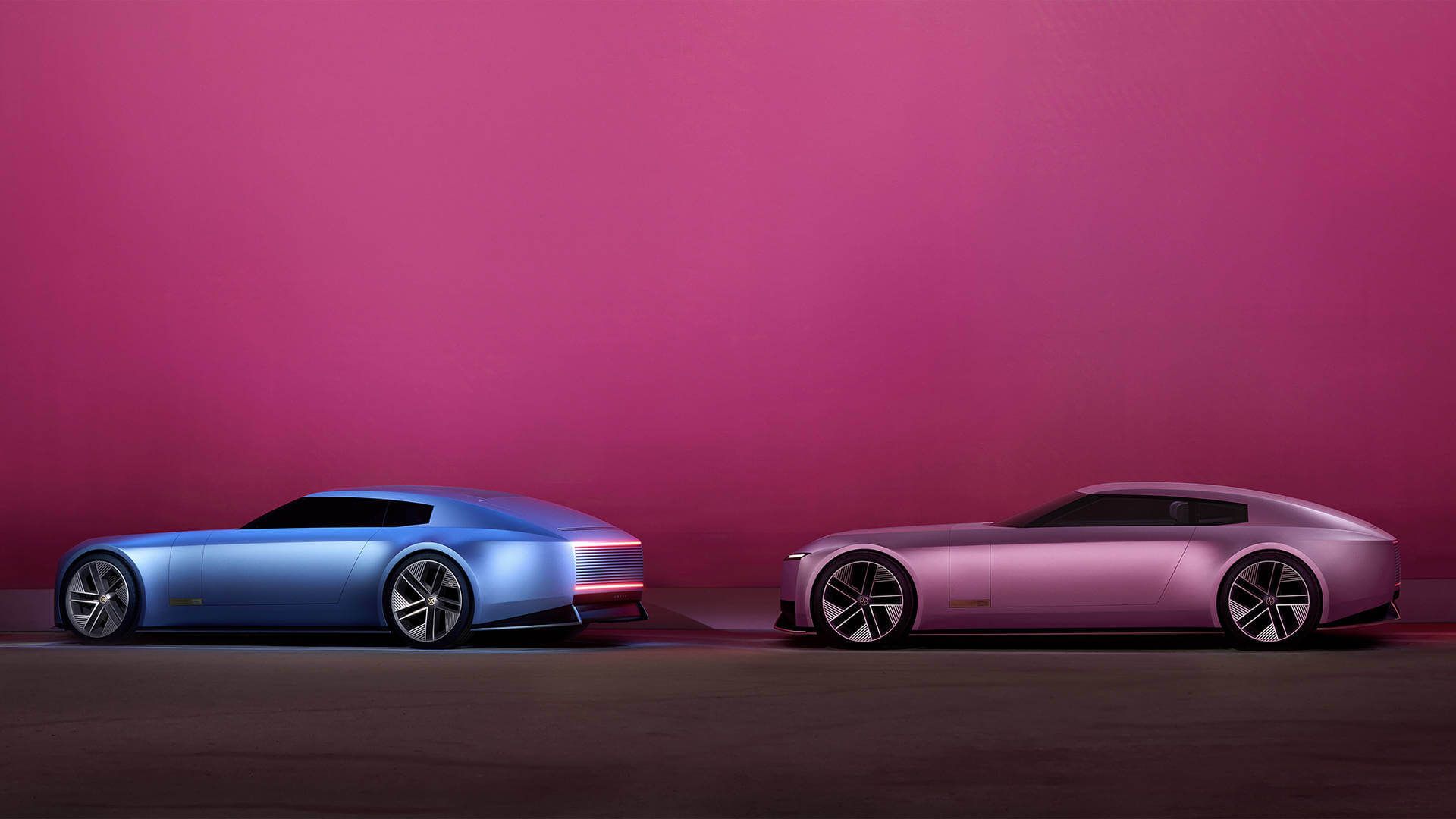
Jaguar, meanwhile, has continued to focus on its long-term goals. Its vision includes reshaping the brand into a modern, sustainable luxury automaker with a distinct design identity and high-end electric performance. The company has also emphasized its commitment to diversity, environmental responsibility, and technological innovation—values that resonate with a new generation of consumers and stakeholders.
Analysts suggest that Jaguar’s shift is less about ideology and more about necessity. The global automotive market is undergoing unprecedented change, with governments setting ambitious climate targets and consumers demanding cleaner, more efficient vehicles. In this context, embracing electric mobility and promoting social responsibility are increasingly seen as vital business imperatives, not political statements.
The selection of a fresh CEO is anticipated to speed up Jaguar’s evolution. The new executive comes with a perspective that matches the firm’s strategic shift and possesses a history of achieving expansion through innovative design and customer interaction. Initial indications imply that the brand will maintain momentum with its change strategy, notwithstanding external criticism.
While Trump’s remarks may resonate with a segment of the public that is skeptical of corporate involvement in social issues, they are unlikely to derail Jaguar’s broader objectives. The company remains focused on expanding its global footprint, enhancing its product lineup, and meeting regulatory requirements in key markets such as the European Union and China, where sustainability standards are becoming increasingly stringent.
The continuous conflict between political leaders and businesses illustrates a more profound cultural rift that has developed in recent years. As corporations navigate the intricate needs of today’s consumers, they frequently find themselves pulled between varying expectations. Some advocate for progressive measures regarding climate and equality, while others caution against what they see as excessive intrusion into social or political matters.
Jaguar’s case highlights this challenge, while also emphasizing the larger truth that international brands need to constantly adapt to stay ahead. Especially within the luxury car industry, which is being reshaped by cutting-edge innovations, exceptional design quality, and a dedication to ecological responsibility. These factors are pushing companies like Jaguar to undertake daring choices, despite potential criticism.
Ultimately, where politics, business, and cultural identity meet will probably continue to be a hot topic in public discussions. For Jaguar, the main focus seems evident: concentrate on providing innovative and eco-friendly vehicles while enhancing the brand for a future that calls for more than just high performance—it seeks a meaningful purpose.
As the new CEO takes the reins, Jaguar’s next chapter will be closely watched. Whether the brand can maintain its legacy while embracing transformation will depend not on political commentary, but on its ability to adapt, innovate, and connect with a rapidly changing world.