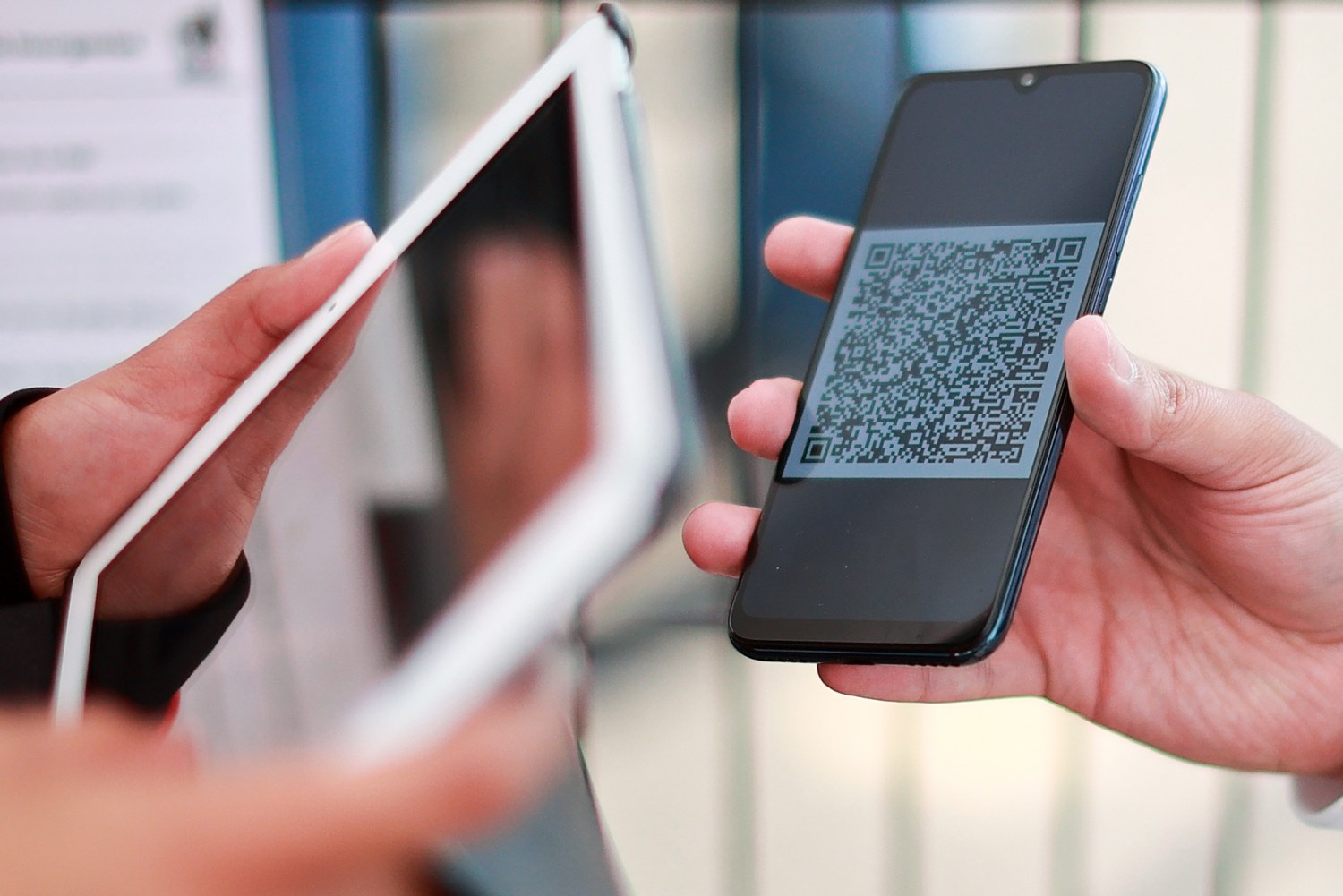
QR codes are now a regular feature of daily existence. Individuals utilize them to access eatery menus, make parking payments, download applications, or reach online sites. By simply scanning with a smartphone camera, these codes link users straight to digital content. Their ease of use has made them very favored in both private and business environments.
Nonetheless, the technology that makes QR codes beneficial has also created opportunities for cyber criminals. A novel scam called “quishing” now aims at unsuspecting individuals. The word merges “QR” and “phishing” and pertains to schemes where counterfeit QR codes are employed to mislead people. These codes frequently direct victims to fraudulent sites, extract personal data, or download harmful software onto users’ gadgets.
One of the main problems with QR codes is that users cannot see the website or destination behind the code before scanning it. This invisibility gives scammers an opportunity to hide harmful links inside what appears to be a harmless image. In many cases, people scan QR codes without thinking twice, assuming they are legitimate simply because they appear in trusted locations.
Offenders have discovered several methods to misuse this. In open areas, they might affix labels with counterfeit QR codes over the genuine ones. Someone attempting to pay for parking or utilize a service could scan the code, assuming it’s linked to the business, and instead be redirected to a fraudulent website intended to gather private data. The individual might inadvertently supply credit card details, login information, or other personal data that goes directly to the scammers.
The danger is not limited to public signs. Fake QR codes also appear in text messages, emails, or social media posts. These messages may claim to be from delivery services, banks, or online stores, asking users to confirm a transaction or verify an account. Once scanned, the QR code may direct the user to a convincing-looking webpage that prompts them to enter personal information. Sometimes, scanning the code can even trigger a download of harmful software that compromises the user’s device and data.
These attacks are effective because of the trust people place in QR codes. They’re used so often and appear in so many normal, safe settings that people rarely question them. Unlike links in emails, which many users have learned to approach with caution, QR codes are still seen as secure by default. This assumption is what makes quishing such a powerful trick.
Several events have shown the potential harm caused by these scams. In one instance, patrons at a cafe believed they were accessing the menu via a QR code, only to be directed to a website that harvested their social media credentials. In a different scenario, counterfeit QR code labels on public parking meters tricked individuals into entering their card information on a fraudulent payment platform. These schemes can lead to not just monetary damage but also identity theft and unauthorized entry into personal or corporate accounts.
The growth of quishing is tied to how QR codes became more common during the COVID-19 pandemic. As businesses sought contactless ways to share information or receive payments, QR codes offered a fast solution. Unfortunately, this widespread use also gave scammers more opportunities to imitate legitimate services. As QR codes continue to be part of daily life, it’s expected that quishing tactics will become more advanced.
Many people are unaware that their devices may already be at risk after scanning a malicious code. Malware can run silently in the background, logging keystrokes, recording passwords, or even gaining access to the phone’s camera and microphone. The impact of one quick scan can be long-lasting and difficult to trace back to its source.
For typical users, the most effective method to avoid falling prey is to stay vigilant. While QR codes can be convenient, it’s crucial to pause and consider before using them. If a code is found on an unexpected flyer, email, or message that appears dubious, it’s wiser to avoid interacting with it. Identifying indicators of a counterfeit QR code, like a sticker layered on another code or badly designed items, can also assist in thwarting a fraudulent scheme.
The battle against quishing also relies on the manner in which companies handle their utilization of QR codes. Companies should frequently check their codes to confirm they haven’t been altered. They may also implement additional measures like using QR codes with custom branding that are more difficult to imitate or offering verification steps to provide users with extra confidence that the page they have accessed is authentic.
Despite efforts to educate the public and improve safety features, it’s clear that quishing is a growing concern. Its success depends on speed and simplicity. Scammers count on people reacting quickly—scanning without thinking, entering details without double-checking, and trusting that the process is secure. Awareness is the first line of defense. People need to be reminded that QR codes, like email links, are not always safe just because they’re convenient.
Technology companies are beginning to explore ways to improve QR code safety. Some solutions include adding visual cues to codes to confirm authenticity, requiring users to confirm links before opening them, or even developing smarter apps that scan the destination of the QR code before it is opened. These are promising steps, but for now, users must rely on good habits and awareness.
Quishing scams have proven that even the most ordinary tools can be turned against us when used in the wrong way. As cybercriminals become more creative, so must users. Caution, critical thinking, and awareness are still the most effective tools for staying safe in a digital world where even a simple scan can cause harm.