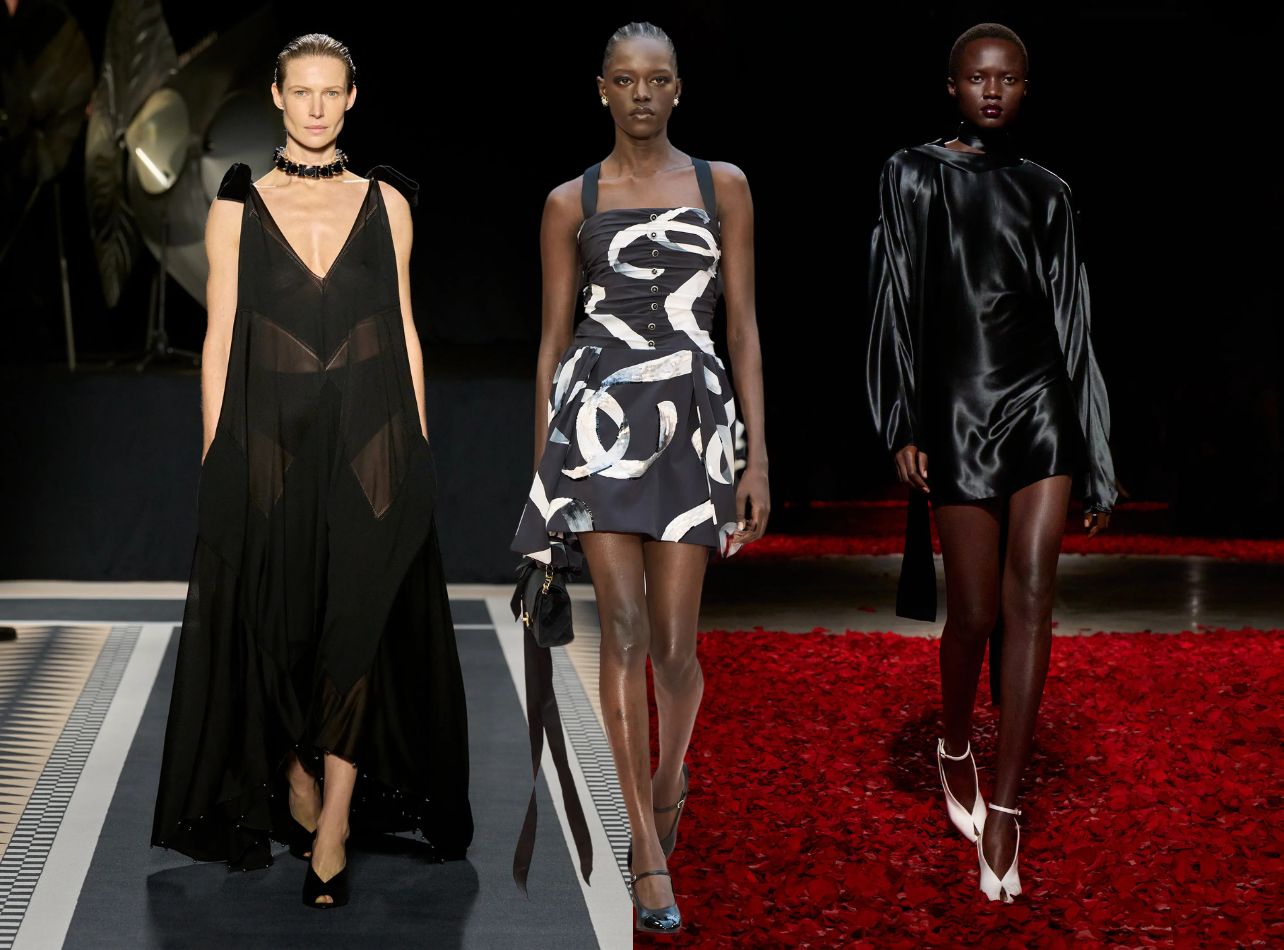
When Alber Elbaz first joined Lanvin in 2001, the Paris-based fashion house was a sleeping giant with a rich heritage but little contemporary relevance. Under his stewardship, Lanvin experienced a creative renaissance that set it apart from other luxury fashion brands. Several distinctive elements defined Elbaz’s legacy at Lanvin, including his unmatched approach to design, commitment to craftsmanship, and the transformative way he connected with both celebrities and everyday women.
Reinventing Elegance Through Creativity
Elbaz’s approach to design was infused with a modern perspective on classic femininity. He famously said, “I love women, and I wanted to make them feel beautiful and comfortable.” His pieces at Lanvin were notable for their impeccable draping, use of luxurious materials, and bold yet fluid silhouettes. Unlike the rigid architectures of the early 2000s, his creations embraced movement, emotion, and sensuality.
Among his most renowned collections, the Fall 2008 ready-to-wear line was notable for its pioneering application of raw-edged silk and intricate pleating. Reviewers lauded the collection for merging Parisian elegance with a whimsical, unconventional spirit. Elbaz’s genius resided in rendering haute couture-level artistry both contemporary and approachable.
Empowering Women With Clothing
Central to Elbaz’s philosophy at Lanvin was the belief that fashion should empower, not intimidate, women. He rejected the notion of “dictatorial” fashion, often stating his goal was to create garments that women wanted to wear, not just admire on a runway. This was evidenced by his penchant for practical details—dresses that could be slipped on without zippers, adjustable ribbons and ties, and fabrics that favored comfort without sacrificing luxury.
His Spring 2011 collection showcased this philosophy by skillfully merging practical utility with elegance, featuring metallic one-shoulder dresses adorned with substantial jewelry. The ensembles were festive yet approachable, and the models exuded self-assurance and comfort, aligning with Elbaz’s aim to clothe “real women.”
Expert Narrative Crafting and Affective Engagement
What set Elbaz apart from many of his peers was his knack for imbuing collections with a rich narrative and profound emotion. His presentations frequently conveyed feelings of happiness, longing, and human connection. Instead of depending purely on grand displays, Elbaz drew his viewers into a gentle, almost personal world. To mark his 10th year at Lanvin, he paraded down the runway alongside seamstresses, highlighting the collaborative effort and skilled craftsmanship involved in every piece of clothing.
This narrative emphasis was also evident in his branding approaches. The now-famous Lanvin campaign, which showcased both professional and non-professional models in cheerful, unposed stances, challenged industry conventions and cultivated a genuine feeling of inclusion.
Advancements in Partnerships and Red Carpet Approaches
Elbaz spearheaded a contemporary method for partnerships and celebrity interactions. Although numerous fashion houses kept their most impressive creations for internal showcases, Elbaz made high fashion more accessible by partnering with retailers such as H&M in 2010. This collection was completely sold out in a matter of hours, bringing the Lanvin style to a significantly broader public and demonstrating Elbaz’s keen insight into changing consumer trends.
Additionally, Lanvin experienced a meteoric rise in red carpet presence under Elbaz. His designs for actresses such as Meryl Streep, Natalie Portman, and Tilda Swinton balanced glamour and relatability, often chosen for their comfort as much as their dramatic impact. Elbaz’s way with draping, textures, and jewelry crafted memorable moments that shaped red carpet style for a generation.
Redefining the Position of the Creative Director
In addition to his design prowess, Elbaz’s approach to leadership redefined the expectations for a creative director within the luxury fashion sector. He was recognized for his modesty, sharp intellect, and deep understanding, frequently attributing the brand’s achievements to his dedicated team of seamstresses and colleagues. This cooperative ethos cultivated a setting where new ideas thrived, playing a crucial role in Lanvin’s artistic achievements.
In contrast to certain more mysterious or attention-grabbing creative directors of that period, Elbaz came across as both relatable and accessible. His distinctive bow ties and spectacles served as an emblem of charming individuality, solidifying both his singular personal identity and the brand’s accessible interpretation of opulence.
Enduring Legacy
Alber Elbaz’s period at Lanvin stands as a definitive example in modern fashion due to its effortless fusion of heritage and novelty. His contributions not only breathed new life into Lanvin as an enterprise but also established a fresh paradigm for contemporary sophistication grounded in emotional depth and utility. The fashion industry consistently examines his ranges and managerial approach, highlighting the significant impact a single designer can achieve by valuing empathy, narrative, and genuine rapport over transient fads or business tactics.