
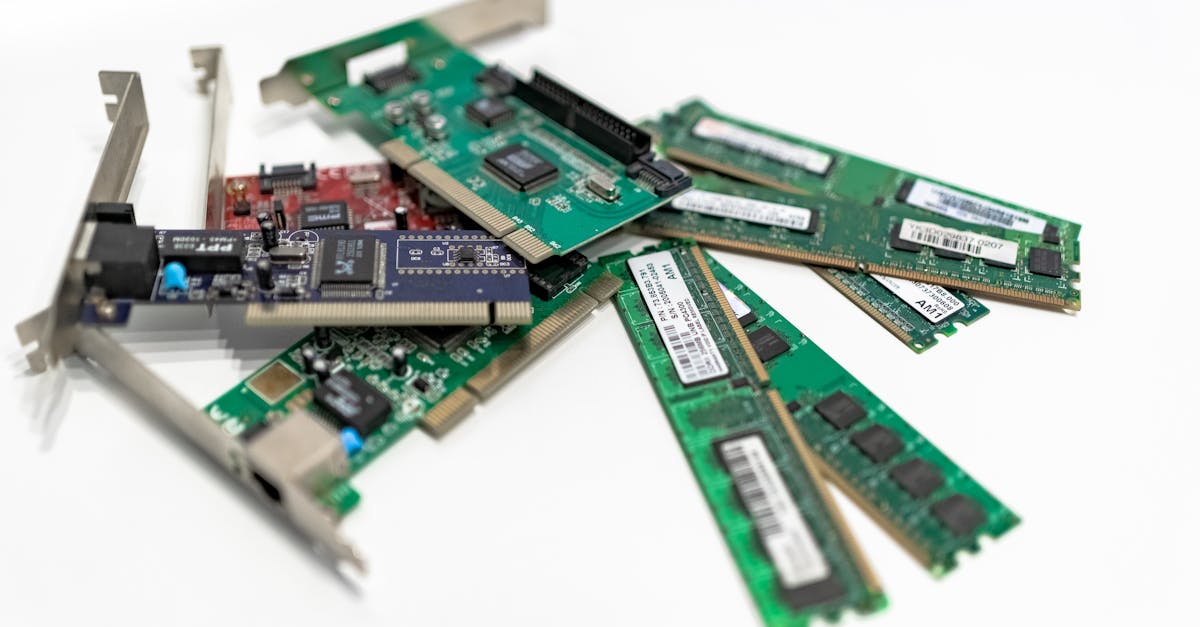
Neural Processing Units, commonly referred to as NPUs, are purpose-built processors engineered to boost artificial intelligence and machine learning tasks. While CPUs manage broad, general operations and GPUs deliver exceptional parallel graphics and computation, NPUs concentrate on matrix calculations, inference processes, and highly efficient on-device training. In addition to NPUs, the wider family of AI chips encompasses dedicated accelerators embedded within system-on-a-chip architectures or supplied as standalone components for PCs and servers.
Over the past five years, AI workloads have shifted from cloud-centric processing toward on-device intelligence. This shift is driven by latency requirements, privacy concerns, and the need for energy efficiency. As a result, NPUs are no longer optional features; they are becoming core elements that shape smartphone and PC product roadmaps.
Reasons Roadmaps Are Evolving
Traditional hardware roadmaps were centered on CPU clock speeds, core counts, and GPU performance. Today, leading manufacturers plan multi-year strategies around AI capabilities. Several forces are driving this change:
- Energy efficiency: AI inference on an NPU can consume a fraction of the power required by a CPU or GPU.
- Real-time performance: Tasks like image recognition or language translation demand instant responses.
- Privacy and security: On-device AI reduces the need to send sensitive data to the cloud.
- Software differentiation: AI features create visible user benefits that justify hardware upgrades.
These forces are reshaping how companies prioritize silicon investment, operating system design, and application ecosystems.
Smartphones: From Camera Tricks to Core Intelligence
Smartphones emerged as the first widely adopted devices to incorporate NPUs on a large scale, initially applying them to photography tasks like recognizing scenes and enhancing portraits, and today these processors shape virtually every element of the smartphone development trajectory.
Modern flagship chips from major vendors deliver tens of trillions of operations per second dedicated to AI. This capability enables:
- Computational photography: Multi-frame image fusion, night modes, and real-time video enhancement.
- Voice and language processing: On-device assistants, live captions, and translation without network latency.
- Personalization: Adaptive battery management, predictive app loading, and context-aware interfaces.
Roadmaps now incorporate yearly AI performance goals alongside ongoing CPU and GPU advancements, and choices about camera hardware—from sensor resolution to lens configuration—are increasingly aligned with NPU capabilities; in practical terms, this allows a future smartphone to retain comparable camera components while still achieving markedly improved results through AI‑enhanced processing.
PCs Step Into the AI-Native Age
For decades, PCs depended on CPUs and GPUs, while most AI workloads were processed in the cloud. That approach is evolving quickly. Leading operating systems and chip manufacturers increasingly describe the upcoming wave of PCs as AI-native.
Integrated NPUs in PC processors are intended to manage tasks like:
- Real-time video enhancement for conferencing, including background blur and eye contact correction.
- Local language models for summarization, search, and productivity tools.
- Security features like behavioral biometrics and anomaly detection.
These capabilities are influencing PC roadmaps in concrete ways. Processor launches are now timed with operating system updates that unlock NPU-based features. Laptop designs prioritize battery life under AI workloads, and software developers are encouraged to target NPUs through standardized frameworks.
Examples Showcasing the Evolution of Roadmap Strategies
One clear example is the rise of AI-focused laptop platforms that promise all-day battery life while running continuous background intelligence. Vendors publicly publish NPU performance metrics as headline specifications, something unheard of a few years ago.
In smartphones, mid-range models increasingly adopt AI capabilities that previously appeared only in top-tier devices, reshaping launch strategies as brands prioritize AI-driven software enhancements that make better use of current NPUs rather than relying on major yearly hardware overhauls.
Another significant example involves the move toward heterogeneous computing. Technology roadmaps increasingly anticipate tasks being dynamically distributed among the CPU, GPU, and NPU, a progression that calls for sustained planning in chip interconnects, memory design, and developer tooling.
Implications for Developers and Ecosystems
As NPUs become standard, developers must adapt. Application roadmaps are aligning with hardware capabilities, leading to:
- On-device AI models optimized for size and efficiency.
- Cross-platform frameworks that abstract NPU differences between vendors.
- New monetization models based on premium AI features rather than raw performance.
This alignment further compels platform owners to preserve backward compatibility even as they advance new AI APIs, and the performance of an AI chip is judged not merely by benchmarks anymore but by how swiftly and broadly developers embrace it.
Obstacles and Limitations
Despite rapid progress, NPUs introduce challenges that influence roadmaps. Standardization remains limited, making it difficult to write once and run everywhere. Thermal constraints, especially in thin smartphones and laptops, cap sustained AI performance. There are also strategic risks: over-investing in AI hardware before software ecosystems mature can slow returns.
Manufacturers respond by staging their roadmaps, gradually increasing NPU capability while expanding software support and developer education.
A Wider Transformation in Computing Strategy
NPUs and AI chips are reshaping smartphones and PCs not as isolated components, but as catalysts for a broader transformation. Roadmaps now reflect a vision in which devices are proactive, context-aware, and increasingly autonomous. Hardware, software, and services are planned together, with AI as the connective tissue.
As this shift continues, users may notice fewer dramatic changes in physical design and more profound changes in how devices anticipate needs, protect data, and adapt over time. The true impact of NPUs lies not only in raw performance gains, but in how they redefine the long-term direction of personal computing.